
.jpg)

.svg)
( Actions as deplorable as these are a matter of deep shame and concern for both Tower Hamlets and the community. It is with a heavy heart that we feel compelled to publish such news; we are truly ashamed.)
Convicted Desi Imam Faces Life Sentence After Decade of Predatory Abuse
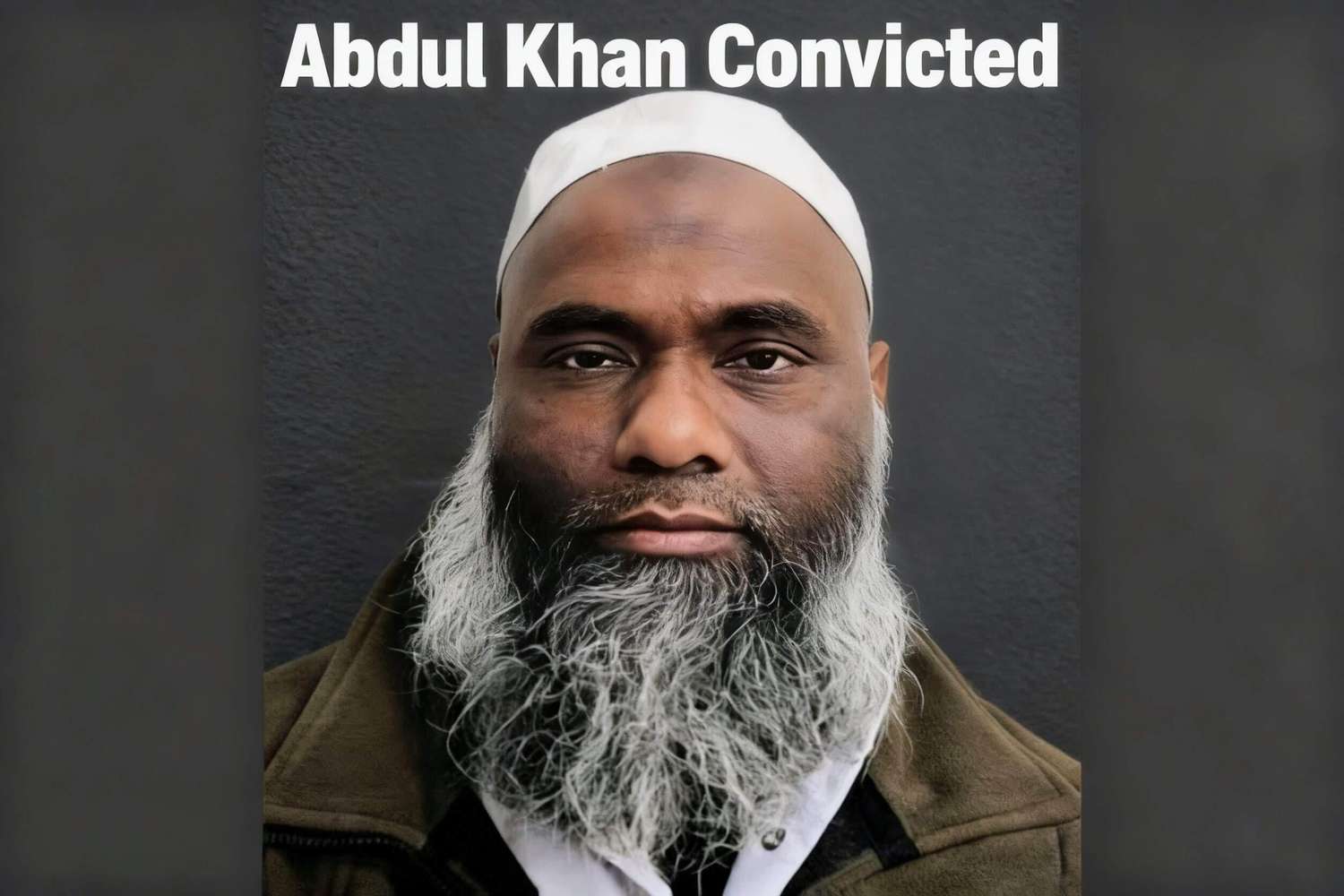
Judicial Reckoning at Snaresbrook Crown Court-In a significant victory for survivors of historical abuse, 54-year-old Desi imam Abdul Halim Khan, 54, of Old Ford Road, Bethnal Green, in Tower Hamlets has been found guilty of 21 counts of sexual offences following a high-profile trial. Khan, a former imam who operated within the East London community, was convicted of nine counts of rape, alongside multiple charges of sexual assault and child sexual offences. The Crown Prosecution Service (CPS) detailed how Khan leveraged his position of immense trust to target seven victims—including three vulnerable teenage girls—between 2004 and 2015, Daily Dazzling Dawn realised.
The Mechanics of Deception and Spiritual Coercion- Evidence presented during the trial revealed a chilling pattern of coercion rooted in the exploitation of faith. To evade detection and family intervention, Khan meticulously selected his victims from within the local community and lured them to isolated locations, such as private flats and hidden spots, under the guise of providing "spiritual protection." Further forensic analysis by the CPS confirmed that Khan’s psychological manipulation involved claiming he would be "possessed" by a Jinn (supernatural spirit) during these meetings, thereby shifting the responsibility for his actions onto supernatural forces.
This calculated use of "Black Magic" as a threat ensured the victims remained silent for over a decade. Khan weaponized the fear of metaphysical harm against the victims' families to maintain control and frighten them into submission. Despite Khan’s claims during police interviews that the allegations were a coordinated "revenge conspiracy," the jury found the overwhelming evidence provided by survivors and investigators to be conclusive.
Operation Sparebank and the Path Forward- The path to justice began in 2018 when the youngest survivor disclosed her trauma to a teacher, triggering the Metropolitan Police investigation known as Operation Sparebank. Following the survivor’s moving public statement, local advocacy groups are now preparing to launch specialized support services specifically for those who have experienced abuse within a religious or "spiritual" context.
The Sentence and Future Safeguarding- Abdul Halim Khan remains in high-security custody ahead of his sentencing on May 14, 2026. Given the 21 convictions—specifically the nine counts of rape and five counts of rape of a child under 13—legal experts anticipate a substantial life-term sentence under current UK sentencing guidelines.
This landmark case has already triggered a "call to action" for mosques and community centers in East London. The conviction has prompted wider discussions regarding safeguarding within religious institutions, with expectations for new, mandatory registrations for independent faith leaders to prevent individuals from operating without institutional oversight.
Editor’s Note- We Daily Dazzling Dawn chosen to include specific details regarding the methods of coercion—such as the misuse of spiritual authority—to highlight the sophisticated nature of such predation and to encourage a broader conversation on community safeguarding. Our thoughts remain with the survivors, whose courage in coming forward has ensured that a dangerous offender is no longer a threat to the public.
How to Report and Seek Support-If you have been affected by the issues raised in this story, or if you have information relevant to Operation Sparebank, several confidential avenues are available for support and reporting:
Metropolitan Police: You can report information by calling 101 or visiting your local police station. Always dial 999 in an emergency.
Crimestoppers: To provide information 100% anonymously, call 0800 555 111 or use their online reporting form.
NSPCC: If you are concerned about a child, you can contact the NSPCC helpline at 0808 800 5000 for professional advice and support.
Specialized Advocacy: Local East London support groups are currently expanding services for survivors of faith-based or "spiritual" abuse. Please contact local community health hubs for referrals to these specialized counselors.