





.svg)
The West Midlands has emerged as one of the regions worst affected as Britain’s prolonged spell of heavy rainfall continues. The UK has now experienced an unprecedented 37 straight days of rain, and forecasters warn that the unsettled weather is likely to persist.
As another rain-soaked Sunday unfolds, the Environment Agency has issued close to 100 severe flood warnings and more than 250 flood alerts across England. Emergency efforts are largely concentrated in the Midlands and the South West.
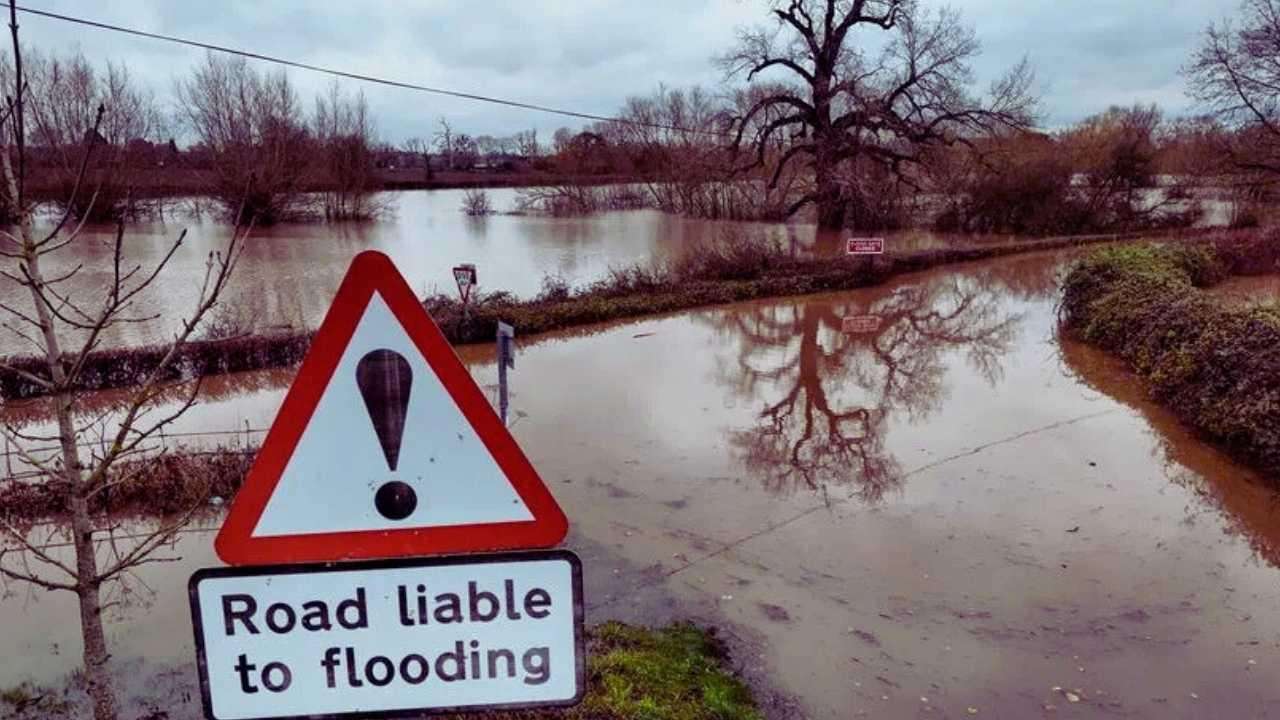
River levels throughout the West Midlands are approaching dangerous thresholds, with key rivers such as the Severn and the Dene under constant surveillance. Flood warnings, indicating that flooding is expected, are currently active across large parts of the region.
Worcestershire is among the hardest hit, with significant warnings in place for South Worcester, including Quay Street, Diglis Avenue and Pitchcroft. At Diglis, water levels are predicted to rise to as much as 4.7 metres, while rivers between Worcester and Gloucester are described as being at full capacity.
In Shropshire, residents in Ironbridge, Bridgnorth and Coalbrookdale have been urged to remain vigilant as pressure continues to build on the River Severn. Floodwater has already affected roads and properties in several areas.
Warwickshire is also facing increased risk, with authorities warning that flooding along the River Dene is imminent following weeks of persistent rain. Flood alerts remain active in Staffordshire for the River Blithe and the River Mease near Clifton Campville.
The prolonged rainfall has caused widespread travel disruption, particularly on roads. In the Midlands, the A4545 near Birmingham Airport remains closed in both directions due to flooding. Rail services are also experiencing delays, with passengers advised to check travel updates before setting out.
Elsewhere, Somerset continues to battle serious river flooding, with major incidents declared across the Somerset Levels. Groundwater flooding is impacting parts of Dorset, Wiltshire, Hampshire and West Sussex, while the Thames Valley remains under close watch.
Wales currently has 11 flood alerts in place, mainly affecting the Lower Dee and Lower Severn areas. Meanwhile, parts of Scotland have recorded more than 130% of their average February rainfall in just five days.
Met Office meteorologist Dan Stroud has warned that there is little relief in sight, saying the wet conditions are expected to continue. The Environment Agency echoed the concern, stating that river levels remain high and urging the public to avoid travelling through floodwater.
Residents across Birmingham and the wider West Midlands are being advised to stay alert, monitor flood warnings regularly, follow Met Office updates, and adhere to official guidance as the prolonged wet weather shows no signs of easing.




.jpeg)