



.svg)
Transport for London (TfL) has confirmed a wide-ranging programme of transport upgrades set to begin or accelerate from 2026, as part of its five-year investment plan running through to 2030. The plans include the replacement of ageing train fleets on key London Underground lines, upgrades to the Docklands Light Railway (DLR), and renewed progress on the long-delayed Central line Improvement Programme (CLIP).
The most significant announcement in the Mayor of London’s latest transport business plan is the long-awaited upgrade of the Bakerloo line. Mayor Sir Sadiq Khan confirmed that the line’s 54-year-old trains will be replaced, ending the use of rolling stock that exceeded its intended lifespan back in 2008.
Bakerloo Line Upgrade Takes Centre Stage
Initial funding for the Bakerloo line upgrade will begin this year, with spending set to rise sharply from 2028. TfL plans to invest £24 million in the project over the next 12 months, increasing to £156 million the following year. Investment is expected to peak at £348 million in 2028/29 and £456 million in 2029/30, with the full replacement of the fleet targeted for completion by 2030.
However, notable infrastructure ambitions were absent from the plan. The proposed Bakerloo line extension and the West London Orbital railway scheme were not included, having previously been rejected in the Government’s November Budget. Instead, Chancellor Rachel Reeves confirmed funding support for the £1.6 billion DLR extension from Gallions Reach to Thamesmead.
Piccadilly Line and DLR Fleet Replacements
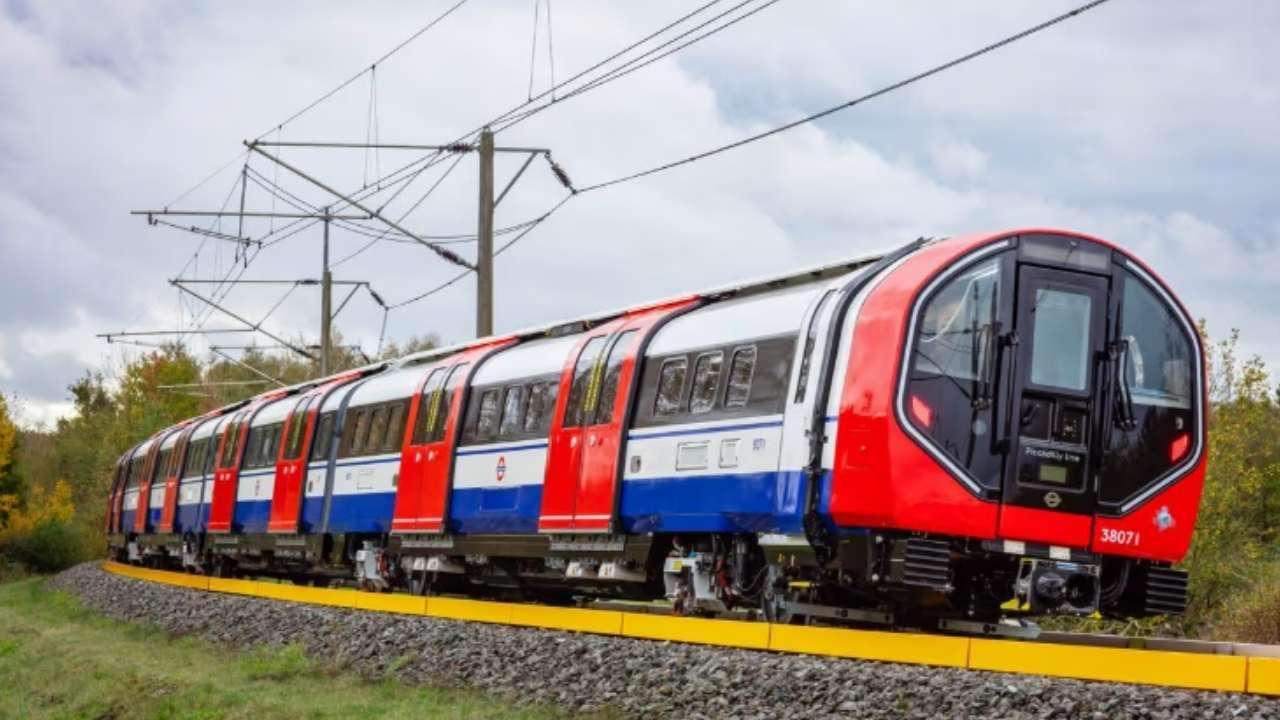
TfL is also progressing with the long-planned Piccadilly line train replacement. A total of 94 new trains have been undergoing testing over the past year. Although originally expected to enter service in 2025, TfL now anticipates passenger services to begin in the second half of this year.
The new Siemens-built trains will be lighter, feature wider doors and real-time passenger information displays, and offer around 10 per cent more capacity than the existing 1970s-era fleet. TfL previously described the trains as the most complex ever introduced to the Underground, citing the length and depth of the Piccadilly line as a major challenge contributing to delays.
On the Docklands Light Railway, TfL aims to complete the rollout of 54 new trains before the end of the year. The first of the new fleet entered service in October 2025 but was withdrawn six weeks later due to braking issues in wet weather, following an incident in which a train overshot a platform. TfL has yet to confirm when the trains will return to service.
Meanwhile, the DLR extension project officially received approval late last year. Construction is scheduled to begin in 2028 and conclude by 2033.
Central Line Upgrade Back on Track
Progress is also continuing on the Central line Improvement Programme, which is due for completion by 2029. Refurbished trains are being gradually reintroduced following delays caused by motor failures across the fleet over the past 18 months.
Only four trains have been upgraded so far, despite an original target of ten. TfL engagement lead Jasmit Jabbal acknowledged that engineers are now working to recover lost time. Another refurbished train is expected to return to service before the end of March.
Elizabeth Line Expansion
The Elizabeth line is also set to benefit from new investment, with the first 10 additional trains scheduled to enter service in 2026, followed by the remaining units in 2027. Construction of the new Class 345 Aventra trains is currently underway in Derby.
TfL estimates that demand on the Elizabeth line will continue to rise, particularly once the HS2 Old Oak Common station opens. Budget projections show spending on the project will increase from April, peaking at £50 million in the 2029/30 financial year.
Together, the upgrades represent one of the most extensive periods of modernisation for London’s transport network in decades, aimed at improving reliability, capacity and passenger experience across the capital.