





.svg)
The sudden resurrection of Croydon’s "Suburban Design Guide" as the primary blueprint for solving London’s housing crisis marks a seismic shift in urban planning strategy for 2026.
The Sevenfold Surge and the SME Renaissance
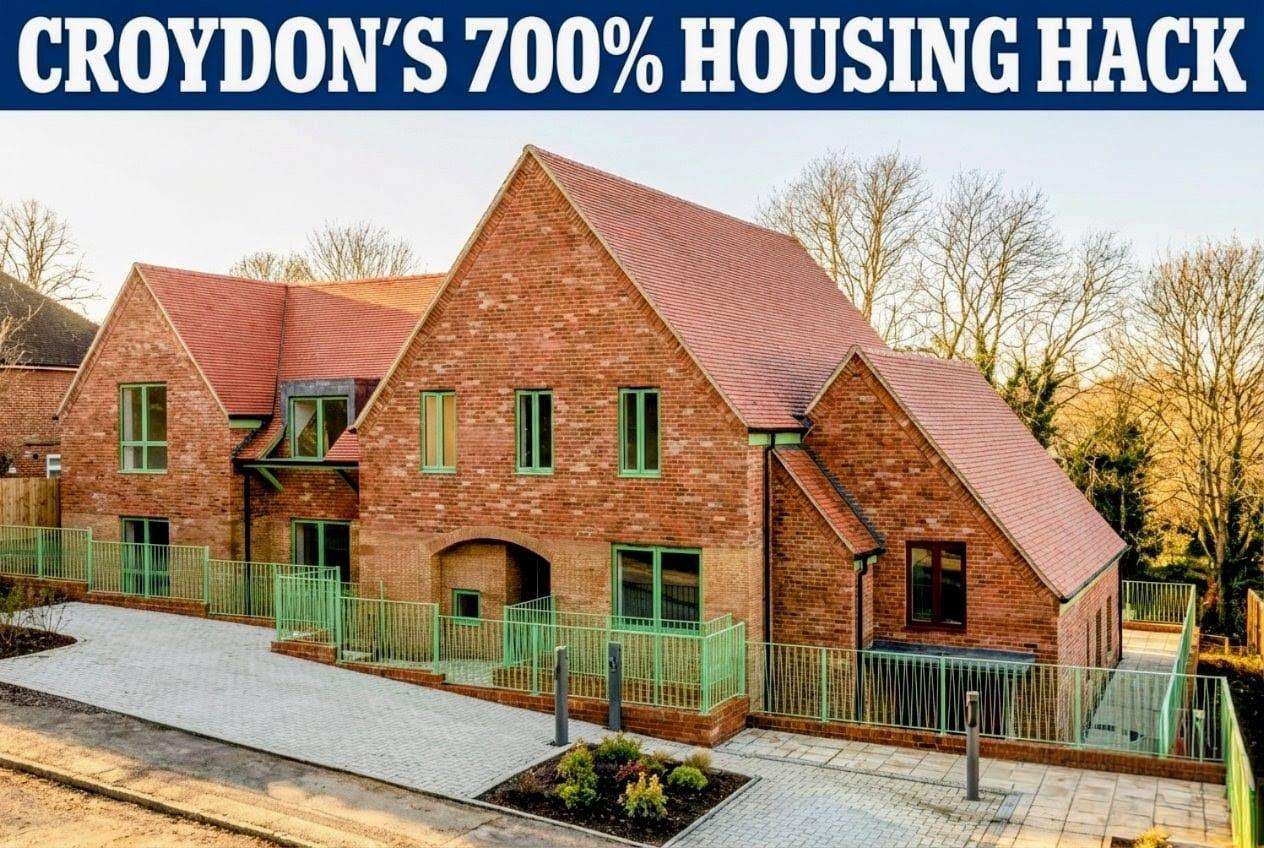
Newly consolidated data from the Centre for Cities reveals that Croydon’s experimental policy did not just facilitate growth; it triggered a localized economic miracle for small-scale developers. During the three-year window the Suburban Design Guide (SDG) was active, construction on sites yielding six to ten units increased by a staggering 700 percent. This policy effectively removed the "subjectivity tax" that plagues British planning, replacing vague aesthetic judgments with a clear, rules-based framework. For Small and Medium Enterprises (SMEs), this provided the financial confidence to break ground on nearly 2,000 new homes, proving that when the "default yes" is codified, the private sector delivers at scale.
Political Backlash Versus Economic Reality
The narrative of the SDG is a cautionary tale of "gentle density" meeting the wall of local politics. Despite the delivery of high-quality arts-and-crafts style infills, such as the Bradmore Way project, the policy was weaponized during the 2022 mayoral election. Critics argue that the policy’s revocation was a victory for "NIMBY" interests over systemic growth, leading to an immediate and precipitous collapse in house-building activity once the guidelines were scrapped. Industry leaders now point to this volatility as the primary reason why housing delivery must be shielded by national or regional mandates rather than left to the whims of local electoral cycles.
The 2026 London Plan and the Road to Mandate
With the London Plan currently undergoing a critical update, the Croydon experiment has moved from a local footnote to a national case study. Pressure is mounting on City Hall to embed these "permissive planning" principles into the regional framework by late 2026. Experts suggest that a London-wide adoption of the SDG could unlock 7,000 new homes annually without the need for controversial high-rise developments on the Green Belt. The focus has shifted toward "stealth density"—utilizing the one percent of detached plots that can accommodate intensified housing—to meet the capital's soaring demand.
Future Forecast: National Rollout and Fiscal Incentives
The next phase of this housing evolution likely involves a fusion of Croydon’s design rules with new federal fiscal incentives for SMEs. Speculation within the Department for Levelling Up suggests that the government may soon introduce tax breaks for developers who utilize pre-approved "infill templates," further reducing the risk of planning delays. As the 2027 development cycle approaches, the "Croydon Model" is no longer viewed as a failed local experiment, but as the only proven mechanism to bypass the stagnation of the traditional planning system and empower a diverse range of underrepresented builders to reshape the urban landscape.