




.svg)
The heart of East London’s British South Asian community is standing on the frontline of a looming environmental catastrophe as aging Victorian infrastructure and rising sea levels threaten to submerge the historic boroughs of Tower Hamlets and Newham.
The Unequal Tide Threatening the British Bangladeshi Diaspora
While the Thames Barrier remains London’s primary shield against tidal surges, a new crisis is emerging beneath the feet of the East End’s most vibrant communities. Tower Hamlets, home to the UK’s largest British Bangladeshi population, is now identified as a high-risk zone for surface water flooding, a threat that modern engineering alone cannot solve. Recent statistics show that 13% of London properties are at high or medium risk of flooding, but for the residents of East London, this is not just an environmental statistic—it is a socio-economic death trap. With a staggering 47% child poverty rate in Tower Hamlets and 45% in Newham and Hackney, the British Asian families living in basement flats and low-lying social housing lack the financial safety nets or insurance coverage required to recover from the projected £281 million in annual insurance losses seen in recent years.
Cultural Heritage at Risk in the Shadows of Modern Infrastructure
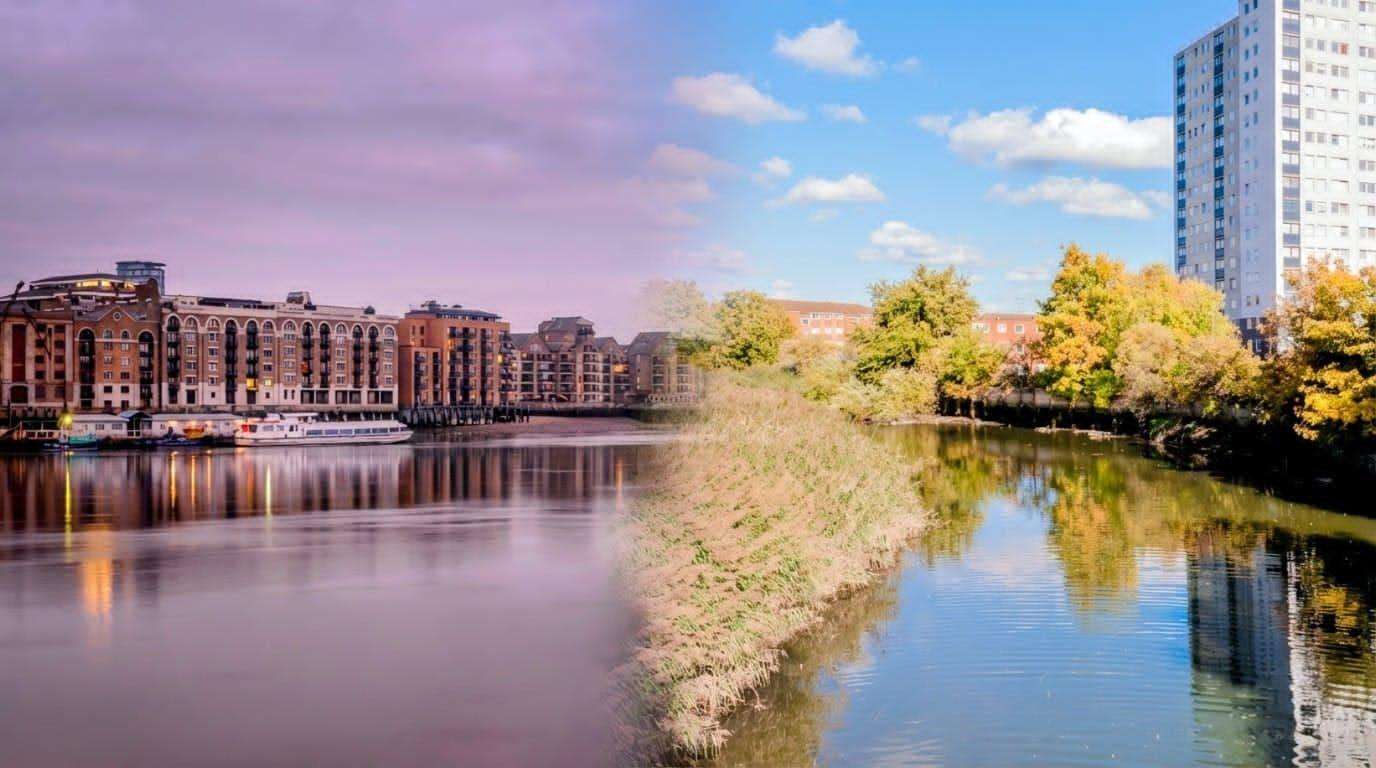
The geographic reality of East London is a ticking time bomb. Built on reclaimed marshlands that once acted as a natural sponge, the rapid urbanization of the 20th century saw 85% of this natural buffer paved over with concrete and asphalt. Today, 78% of the city is impermeable, meaning that during intense rainfall, water has nowhere to go but into the homes of the densely populated South Asian hubs. The Victorian-era sewer systems, never intended for the current population density of 2026, are already discharging nearly 39 million tonnes of untreated sewage into the Thames annually. For the families in Whitechapel, Poplar, and Canning Town, this represents a dual threat of property destruction and a public health crisis triggered by contaminated floodwaters.
From Concrete Jungles to Green Resilience in the East End
The next phase of urban planning must move beyond heavy steel barriers toward "living edges" and community-led rewilding. Experts from the University of East London and UCL are now advocating for a radical shift toward natural flood solutions that integrate with the local landscape. The success of the Queen Elizabeth Olympic Park, which has saved 4,000 homes from flooding since 2014 through reedbeds and marshy swales, provides a blueprint for what must happen next in the densely packed streets of Tower Hamlets. Innovative projects like the East London Waterworks Park are turning concrete depots into filtration ponds, creating spaces that serve both as flood protection and social hubs for the local community to engage with nature.
The Road Ahead: Why Policy Must Prioritize the Vulnerable
Looking forward, the British South Asian community is expected to lead the demand for "green rooftops" on local infrastructure, similar to the bus stop initiatives seen in the Netherlands. By covering bus shelters in Tower Hamlets and Newham with drought-resistant plants, surface water runoff can be delayed by up to 90%. However, the burden of action currently rests on policymakers who must bridge the gap between high-end infrastructure and the lived reality of those in social housing. As population growth continues to strain East London’s resources, flood risk is no longer just a climate issue—it is a matter of national security and racial equity. The next twelve months will be critical as local councils face mounting pressure to fund sustainable drainage systems that protect the cultural and economic heart of the East End before the next record-breaking storm hits.


.jpg)