





.svg)
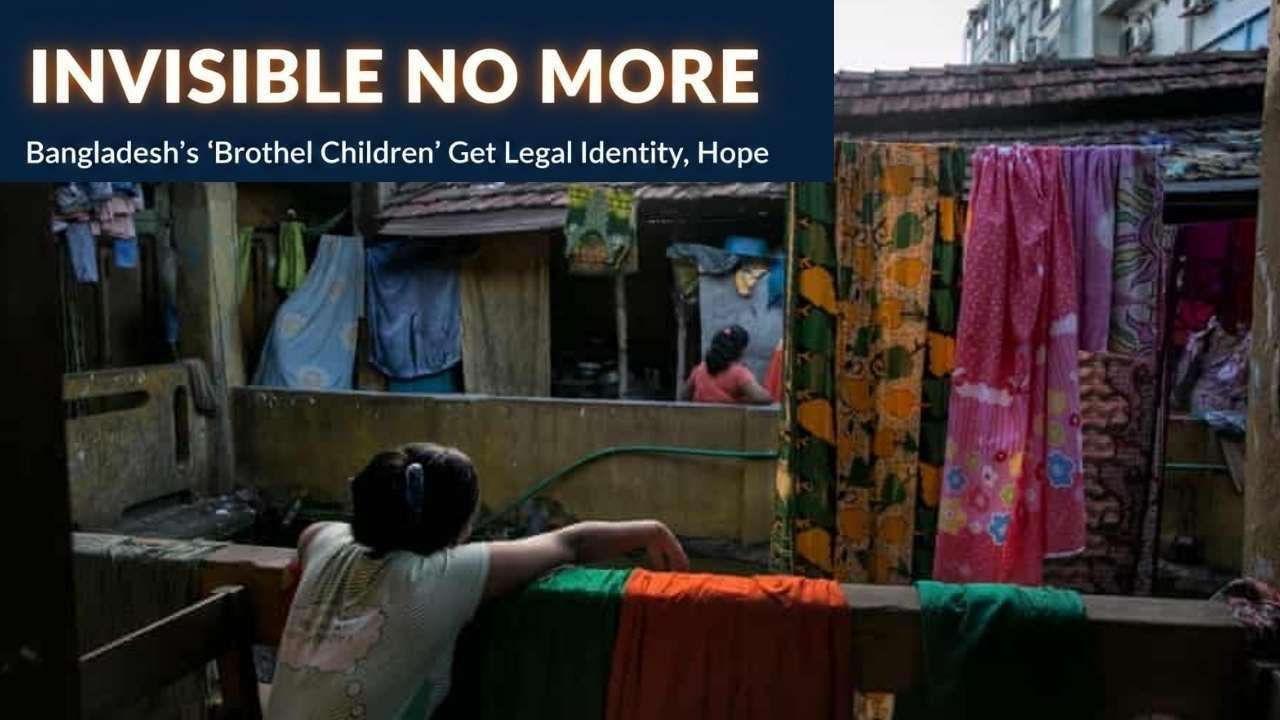
The granting of birth certificates to 400 children in the Daulatdia brothel marks more than a local milestone; it signals a nationwide shift in how the state defines citizenship for those previously scrubbed from the census. While historical narratives focused on the stigma of sex work, the current movement is a clinical, legal assault on the administrative hurdles that have fueled modern slavery for decades. By activating a dormant 2018 legal clause that permits registration without a father's name, activists have effectively neutralized the primary tool used by traffickers to keep girls "off the grid." This shift moves the conversation from humanitarian pity to a framework of enforceable constitutional rights, ensuring that a child’s location of birth no longer dictates their legal existence.
The immediate impact of this mass registration is the sudden integration of an entire sub-class into the national infrastructure, particularly through the education and social safety net systems. Previously, these children were forced into unregulated madrasas or coerced into falsifying paternal records, leaving them legally compromised and susceptible to exploitation. The new transparency allows for the immediate distribution of government stipends to 14-year-old girls who are, for the first time in five generations, eligible for state-funded schooling. This formalization acts as a high-density shield against child labor and underage sex work, as the presence of a verifiable birth certificate makes it impossible for brothel owners to claim a minor is of legal age—a tactic long used to evade law enforcement.
Looking ahead, the success in Daulatdia is serving as the blueprint for a broader rollout across the Jessore and Banishanta districts, where thousands more remain undocumented. The next phase of this strategy involves digitizing these records to ensure they cannot be destroyed or manipulated by local actors. As mothers within these communities begin to act as peer advocates, the momentum is expected to force a mandatory training overhaul for government officials who previously ignored the 2018 mandate. This bottom-up pressure is transforming the birth certificate from a mere piece of paper into an active weapon for survival, effectively ending the era of the "invisible citizen" in Bangladesh’s most marginalized corridors.