




.svg)
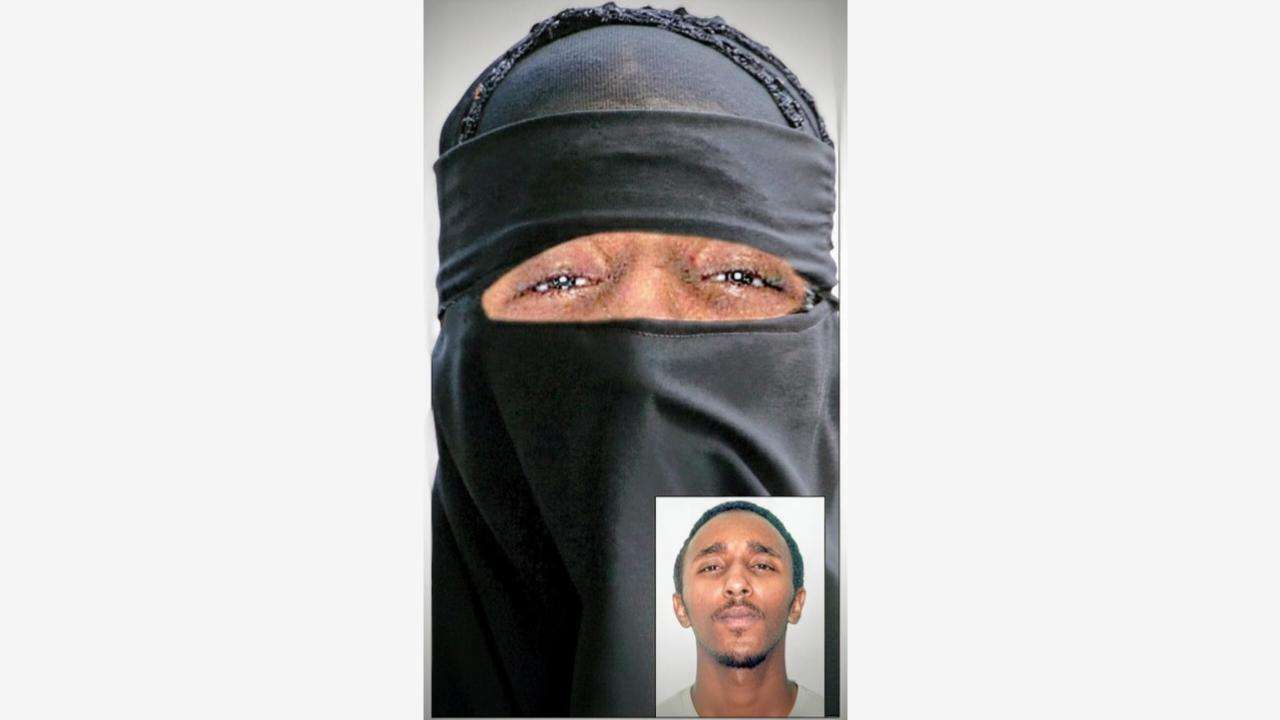
The landscape of British aviation security has undergone a radical transformation since the 2005 escape of Mustaf Jama, a pivotal figure in the tragic killing of PC Sharon Beshenivsky. While the case remains a somber chapter in British policing, the methods used by Jama to flee the country—specifically his use of a full-face niqab and his sister’s passport to bypass checks at Heathrow—have led to the implementation of some of the world's most sophisticated biometric systems. As the final legal chapters of this syndicate close, with accomplice Faisal Razzaq awaiting sentencing this month for his role in a subsequent firearms ring, the focus has shifted toward ensuring that the identity loopholes exploited nearly two decades ago remain permanently sealed.
Evolution of Identity Verification at UK Borders
The escape of Mustaf Jama served as a catalyst for a complete overhaul of how identity is verified at departure gates. At the time of his flight to Somalia, it was not mandatory for passengers wearing a burqa or niqab to be visually identified against their travel documents during embarkation. Today, the Home Office maintains a strict protocol where identity must be confirmed for every passenger. For those wearing a face covering for religious reasons, this check is conducted with sensitivity and privacy, typically by a female officer in a private area. This procedural shift ensures that the respect for religious dress, such as the burqa, is balanced with the absolute necessity of national security, preventing any individual from using a disguise to evade justice.
The Implementation of Advanced Biometric Gates
A major shift in the coming months involves the further rollout of "frictionless" travel technology across all major UK hubs. The manual checks that Jama successfully navigated are being replaced by high-precision AI facial recognition software and e-Gates. These systems compare the physical characteristics of the traveler against the biometric chip in their passport with an accuracy rate that far exceeds human capability. The next phase of this security rollout, expected to be fully integrated by late 2026, will involve "Identity-as-a-Service" (IDaaS) platforms. These platforms will flag individuals on "no-fly" lists or "wanted" databases in real-time, even before they reach the security carousel, effectively neutralizing the chance of a coordinated escape like the one orchestrated by the "Thug Fam Gang" in 2005.
Closing the Legal Loophole for Violent Offenders
Beyond the physical borders, the Beshenivsky case prompted a massive shift in deportation and asylum policies for foreign nationals involved in serious crime. Mustaf Jama had avoided deportation prior to the murder because Somalia was deemed too dangerous, a decision that has since been heavily scrutinized. Current legislative trends and upcoming Home Office directives suggest a move toward "Strict Liability Deportation," where the severity of a violent crime automatically overrides the "safety of homeland" protections previously afforded to asylum seekers. This ensures that individuals who pose a clear and present danger to British citizens cannot utilize human rights protocols to remain in the country after committing high-level felonies.
The Final Sentencing of the Criminal Syndicate
While Piran Ditta Khan, the mastermind behind the robbery, passed away in prison in early 2025, the focus of the justice system has now turned to the recent recidivism of Faisal Razzaq. Despite serving time for his role in the 2005 murder, Razzaq’s involvement in a sophisticated machine-gun distribution ring in London has highlighted the need for lifetime monitoring of cop-killer accomplices. His upcoming sentencing on February 26 is expected to result in a life term, reflecting the judiciary’s zero-tolerance policy toward those who supply lethal weaponry to the criminal underworld. This final sentencing marks the dismantling of the last remnants of a gang that once thought they could outsmart the British state through disguise and deception.