


.svg)
As the 2026 local government election cycle intensifies, Reform UK has reignited one of the most polarizing debates in British civil liberties. Zia Yusuf, the party’s shadow home secretary, has officially proposed a blanket ban on all face coverings in public spaces. While framed as a measure to enhance CCTV effectiveness and public safety, the timing of the announcement—coinciding with the start of the holy month of Ramadan—has drawn sharp criticism from civil rights advocates and the British Muslim community.
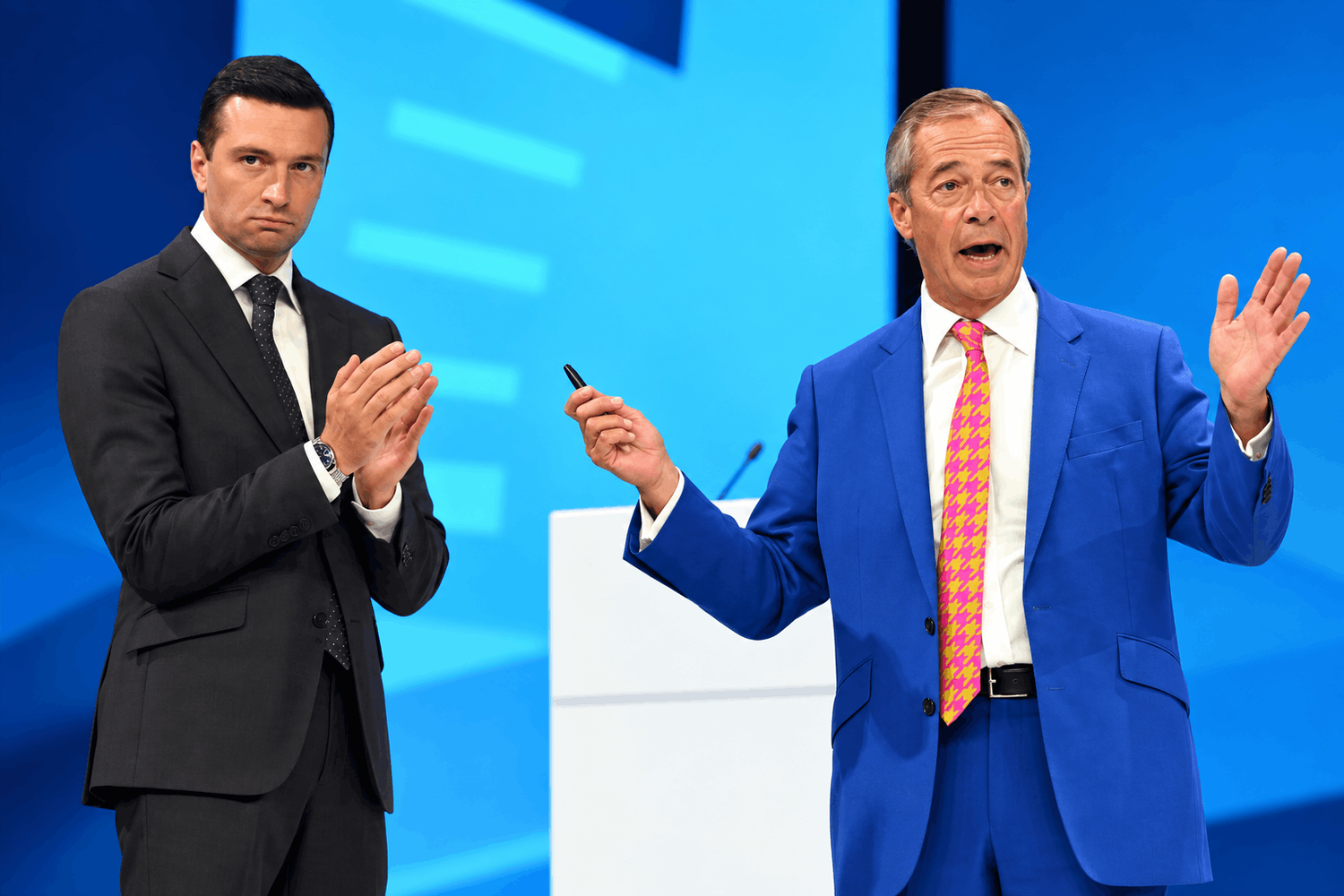
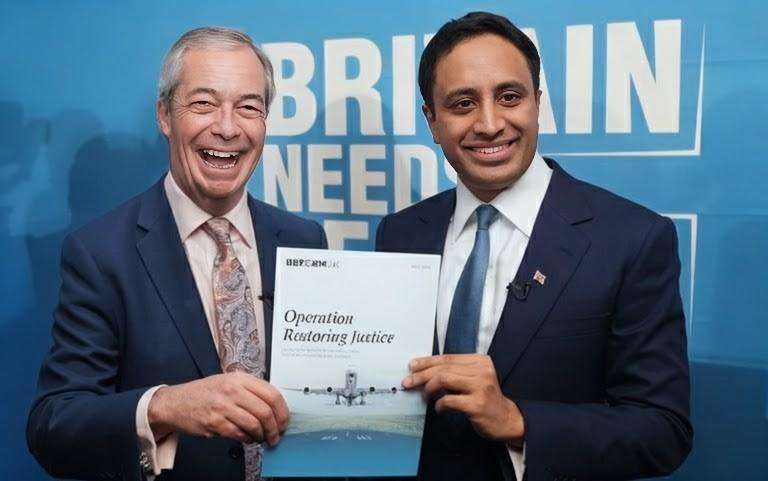
The proposal marks a significant shift in the political landscape. Just last year, Yusuf had distanced himself from similar calls made by former Reform MP Sarah Pochin, yet he now stands alongside Nigel Farage to champion the policy. This pivot suggests a coordinated effort to consolidate the "anti-immigrant" and "traditionalist" vote. By utilizing a high-profile Muslim politician to front the campaign, Reform UK appears to be shielding itself from accusations of Islamophobia while simultaneously pushing a policy that directly impacts the religious expression of Muslim women.
This strategy mirrors recent moves by the Labour government, where Home Secretary Shabana Mahmood has been tasked with articulating some of the party's strictest immigration stances to date. In both instances, major parties are using figures from within minority communities to deliver hardline messages, a tactic critics describe as "political ventriloquism" designed to neutralize identity-based pushback.
The timing of this "Burqa Ban" push is particularly sensitive. Launching such a proposal during Ramadan is viewed by many as a calculated provocation intended to dominate the news cycle and appeal to a specific electoral base. Beyond Yusuf, other Reform figures have hinted at even broader restrictions. Rumors within Westminster suggest the party may soon introduce "Integration Contracts" as part of their upcoming local manifesto, which would require immigrants to sign pledges regarding British values or face residency reviews.
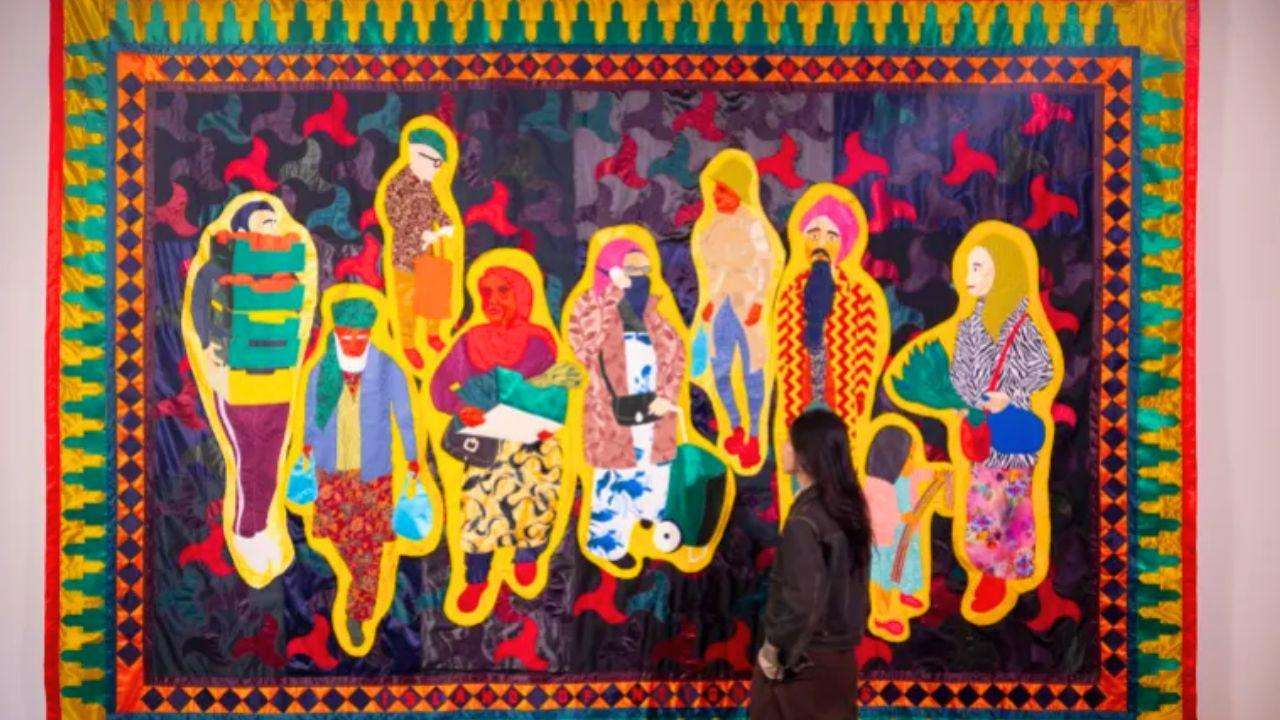
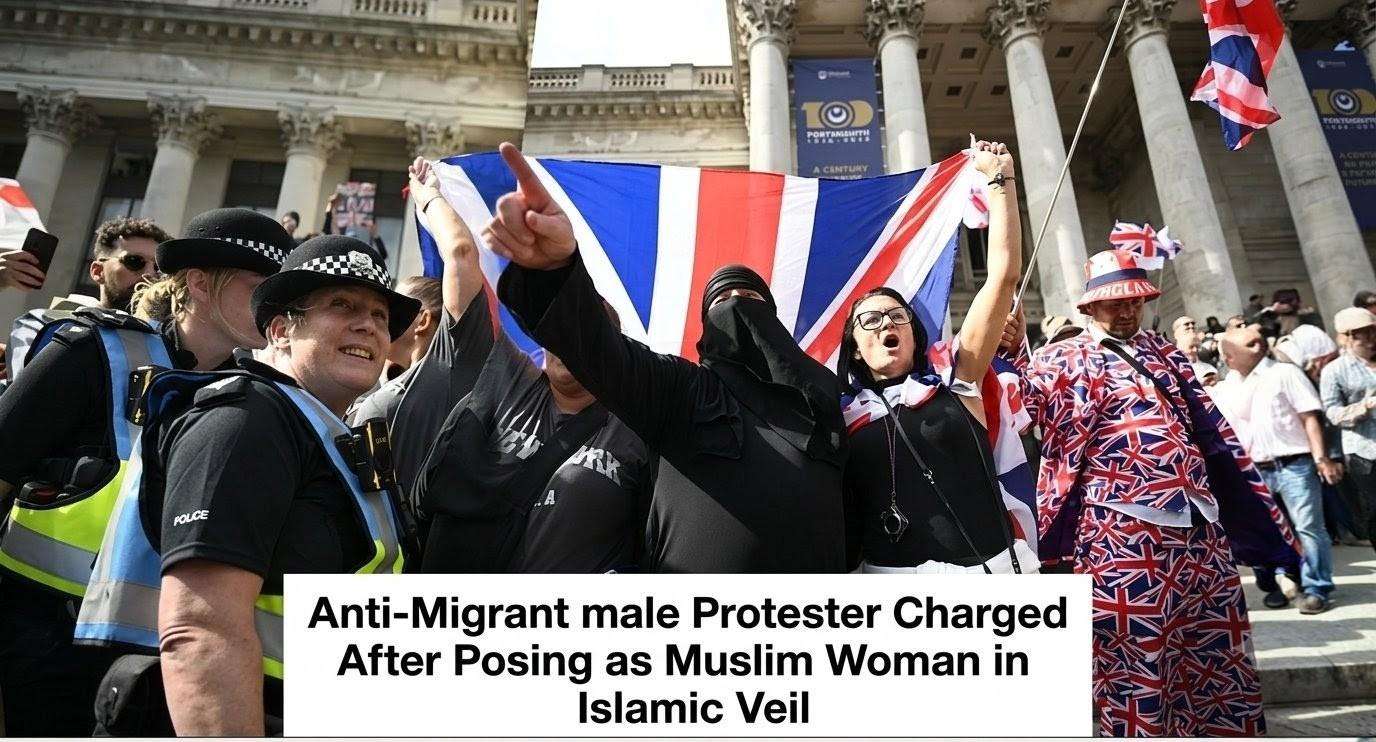
For the British Muslim community, this is not merely a policy debate but an infringement on personal liberty. Many argue that the choice of what to wear is a fundamental human right and that the niqab or burqa represents a personal connection to faith rather than a security threat. Advocates point out that existing laws already allow police to request the removal of face coverings for identification purposes, making a blanket ban appear more like a symbolic gesture to court voters than a practical security necessity.
Looking ahead, the "Operation Restoring Justice" plan, which includes five deportation flights a day and expanded stop-and-search powers, indicates that Reform UK is doubling down on a "security-first" identity. However, the focus on the burqa may prove to be the most volatile element of their platform. As local elections approach, the question remains: is this a legitimate pursuit of public safety, or a high-stakes political game played at the expense of social cohesion?