

.jpg)



.svg)
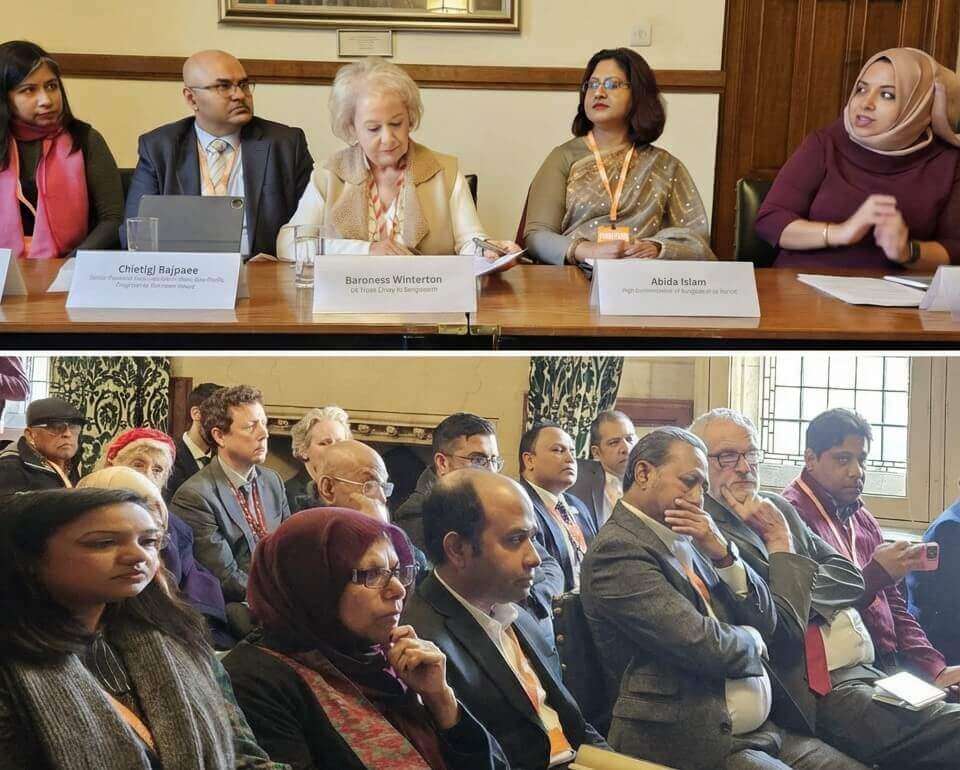
Bangladesh has officially entered a transformative era marked by a commitment to inclusive democracy and a bold march toward a trillion-dollar economy, according to high-level diplomatic briefings held at the British Parliament. Speaking at a pivotal panel discussion titled "Bangladesh Election: What Next?", the Bangladesh High Commissioner to the UK, Abida Islam, categorized the nation’s recent parliamentary polls as a definitive milestone that has successfully recalibrated the country’s democratic trajectory.
The event, hosted by the Commonwealth Parliamentary Association (CPA) in a House of Commons committee room, served as a global stage for the new administration’s policy rollout. A spokesperson for the Bangladesh High Commission London confirmed that the government, under the leadership of Prime Minister Tarique Rahman, is now prioritizing the restoration of the rule of law and the protection of human rights as the bedrock of its "Bangladesh First" agenda. While the session drew a significant gathering of influential British lawmakers, it was noted that British-Bangladeshi MPs Tulip Siddiq and Rushanara Ali were not in attendance at this specific program.
Moderated by British MP Apsana Begum, the panel featured an array of heavyweights including Baroness Winterton, the UK Trade Envoy for Bangladesh, and South Asia experts from Chatham House and the Institute of Development Studies. High Commissioner Islam detailed how the current reform period is bridging the gap between the BNP’s election manifesto and the principles of the July Charter, ensuring that institutional changes reflect the will of the people.
Economic Transformation and Global Integration-The most striking revelation of the briefing was the economic blueprint championed by Prime Minister Tarique Rahman. The High Commissioner articulated a vision for a trillion-dollar economy built on the pillars of social equity and financial inclusion. Central to this mission is the "Family Card" scheme, a targeted initiative designed to empower women and ensure that the fruits of national growth reach every household. This economic pivot is being matched by a pragmatic foreign policy that seeks robust international partnerships while fiercely guarding Bangladesh’s national sovereignty.
Read more: Sylhet Sky-Jacking: Why Biman Blocks the World from Osmani’s Wings
International reaction at the briefing remained largely optimistic. Baroness Winterton formally congratulated Prime Minister Tarique Rahman on his new mandate, signaling the UK’s readiness to expand trade and investment. Highlighting her recent visit to Dhaka, the Baroness emphasized that a stable, democratic Bangladesh is essential for unlocking the region's vast market potential. Furthermore, she confirmed that the British government is proactively assisting the new administration in the complex process of repatriating laundered assets back to Bangladesh, a move seen as a critical step in financial reform.
The session, which drew attendance from prominent figures such as former Labour leader Jeremy Corbyn and MP Rupa Huq, concluded with an analysis of the shifting political landscape. Experts noted that the electoral outcome was a natural progression given the public appetite for systemic change. As the government moves forward, the focus now shifts to the execution of these ambitious social and economic targets, which aim to place Bangladesh among the world’s leading economies within the decade.