





.svg)
The hunt for the truth behind the death of Luke Brereton has taken a sharp turn as detectives uncover forensic anomalies that suggest the confrontation was far from random.
Forensic Discovery Challenges Initial Theory
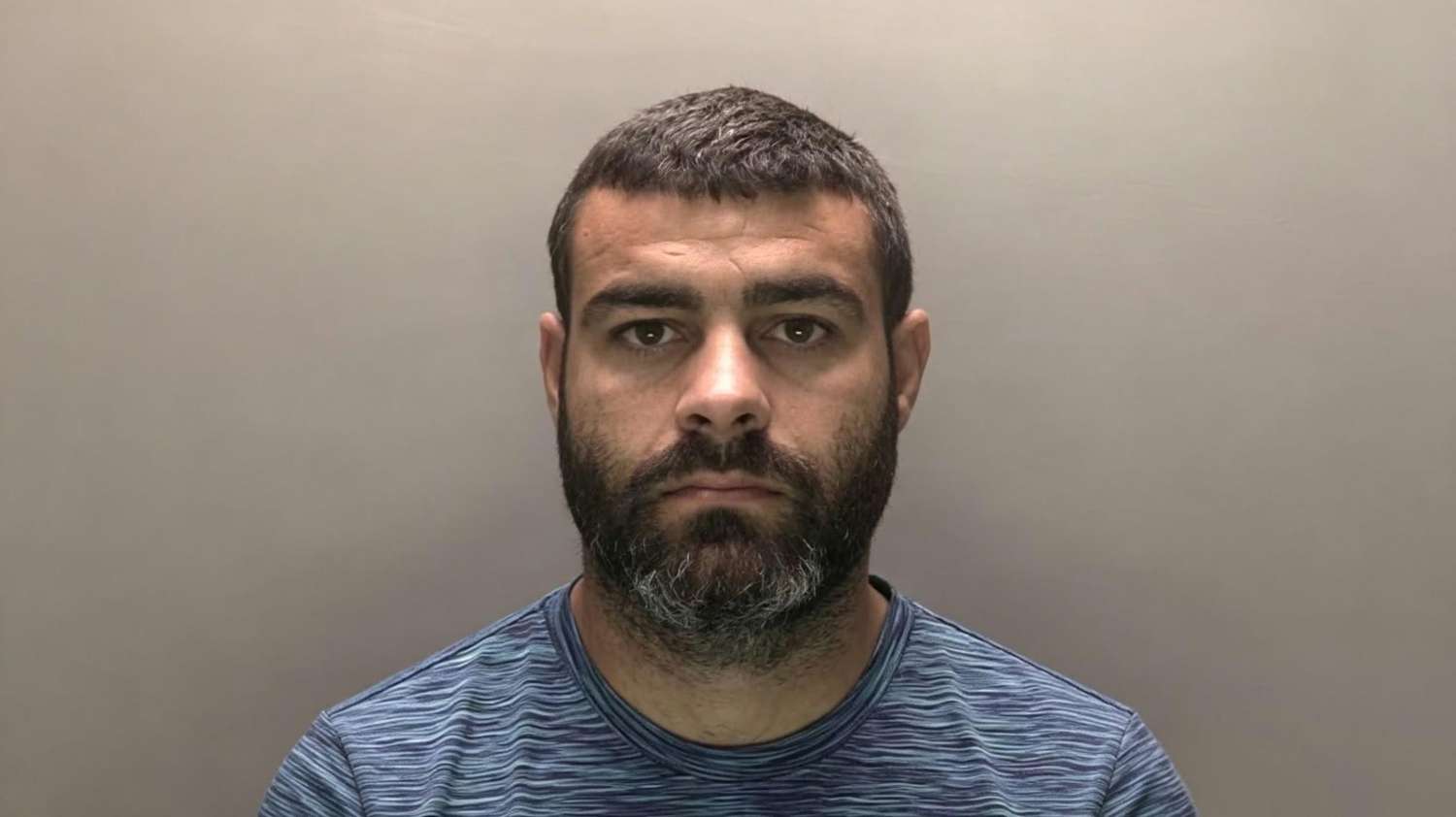
The Metropolitan Police’s Operation DEEMSBOND has hit a critical juncture following the discovery of unidentified partial fingerprints on the eight-inch kitchen knife recovered near the scene. This previously undisclosed detail has forced investigators to look beyond the two men involved, searching for a potential third party who may have handled the weapon before or after the tragedy. While 35-year-old Amar Zafar remains the sole individual charged, the presence of external DNA has introduced a layer of complexity that could redefine the upcoming trial.
Read More: Zafar Faces Old Bailey as Brereton’s Past and Killer’s Roots Collide
The Lost Hour: 45-Minute Window Scrutinized
Moving away from the original 15-minute altercation theory, digital forensic teams have now established a 45-minute "pre-incident" timeline using mobile cell-site data and AI-enhanced CCTV. Evidence suggests that both Zafar and Brereton were present in different licensed premises along The Broadway for nearly an hour before the 12:37 AM emergency call. Detectives are now piecing together whether a prior "near-miss" or verbal exchange occurred inside one of these venues, shifting the focus from a spontaneous street clash to a burgeoning dispute that reached a boiling point in the early hours of February 22.
Read More: Old Bailey Remands Amar Zafar as Detectives Secure New Evidence in Wimbledon Murder
High-Security Remand and Defense Strategy
During a brief but heavy-laden appearance at the Old Bailey, Amar Zafar was remanded in a high-security facility—a move often reserved for cases involving significant public risk or complex criminal backgrounds. Legal sources indicate that Zafar’s defense team, led by high-profile counsel, is already preparing to challenge the prosecution’s timeline by commissioning independent pathology reports. These reports aim to scrutinize the "force and trajectory" of the fatal wound, signaling that the defense may lean toward a self-defense narrative or a challenge to the sequence of events captured on camera.
Community Mobilization and Financial Support
The "Justice for Luke" campaign has rapidly transformed into a significant local force, with a Mitcham-based fundraiser now surpassing £28,000. Beyond financial support, the group is lobbying for a full disclosure of the suspect’s historical ties to the CR4 area. Community leaders are demanding transparency regarding long-standing allegations of local "gunpoint" encounters from years past, arguing that any prior pattern of behavior is essential for the public to understand the full context of the tragedy that claimed the life of the 40-year-old victim.
The Road to the 2026 Trial
While the next formal step is the Plea and Trial Preparation Hearing (PTPH) set for June 15, the Central Criminal Court has already provisionally penciled in a trial date for October 2026. This aggressive scheduling suggests the Crown Prosecution Service is moving quickly to serve a comprehensive evidence bundle by late spring. As the forensic analysis of 200 hours of footage continues, the focus remains on the "missing links" in the 45 minutes leading up to the stabbing, with police still urging late-night witnesses from The Broadway to step forward.