




.svg)
Airspace closures and retaliatory strikes leave thousands of travelers in a legal and literal limbo.
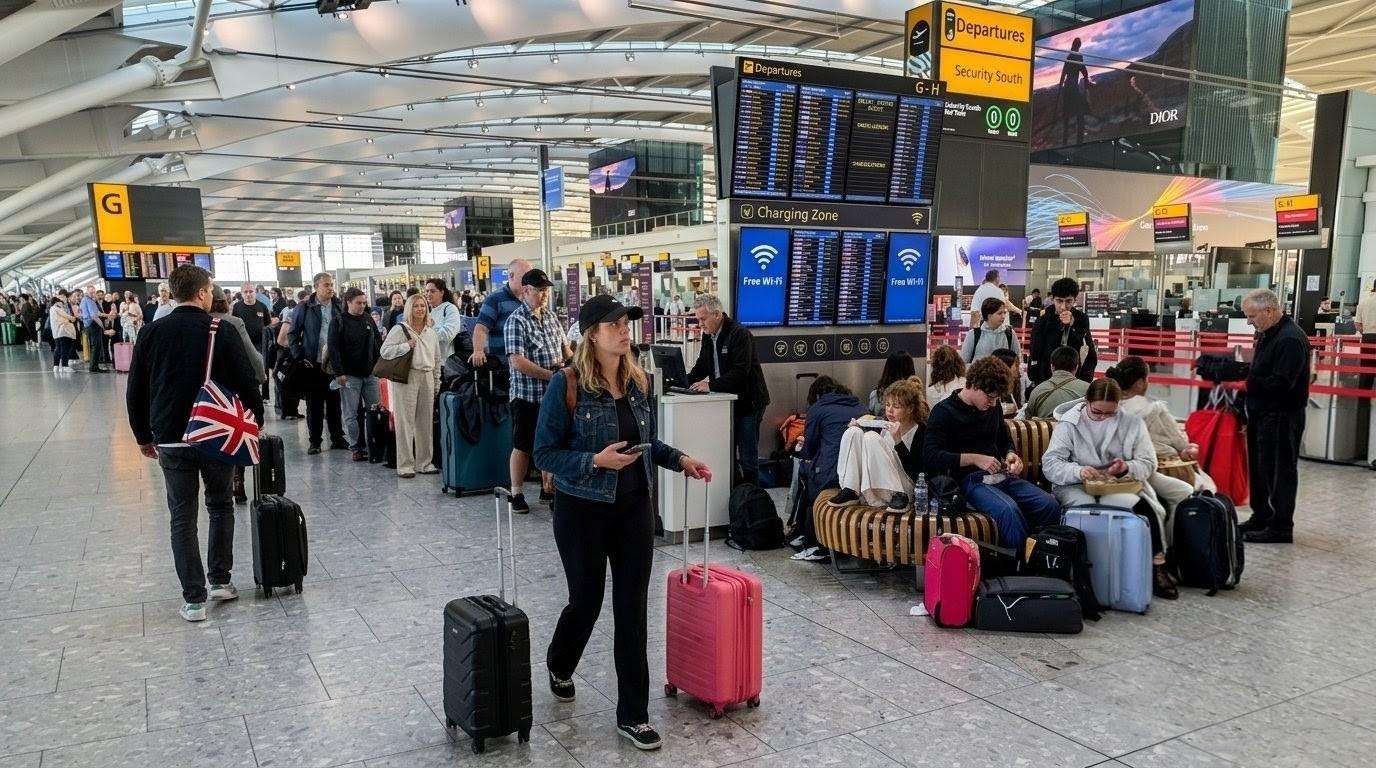
As the smoke clears over Tehran and the roar of interceptors echoes across the Persian Gulf, a secondary crisis is paralyzing the world’s most vital transit hubs. The precision strikes launched by the US and Israel on Saturday have not just shifted the geopolitical landscape; they have effectively severed the aerial arteries connecting East and West. For the traveler holding a confirmed ticket and a valid visa, the transition from "tourist" to "stranded civilian" happened in the span of a single air raid siren.
The Dawn of a Total Transit Blackout
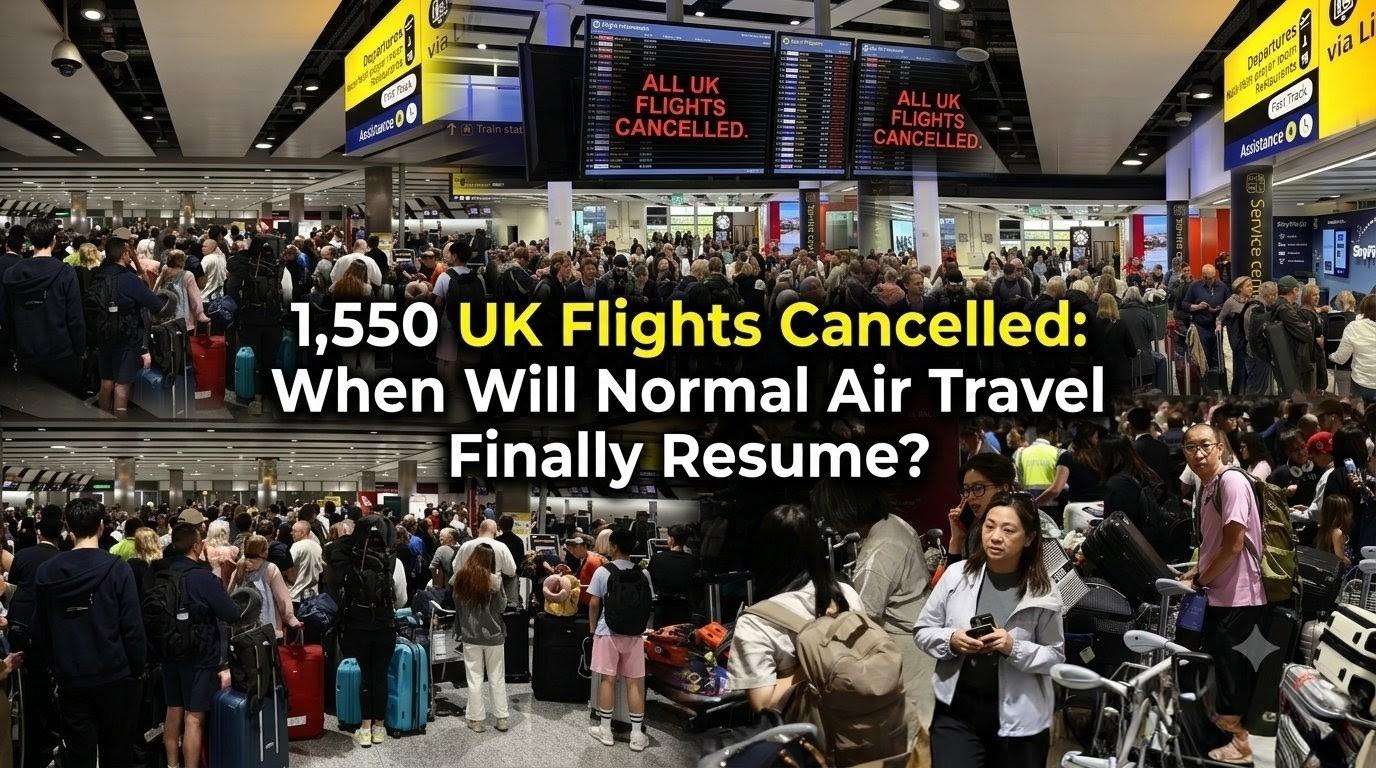
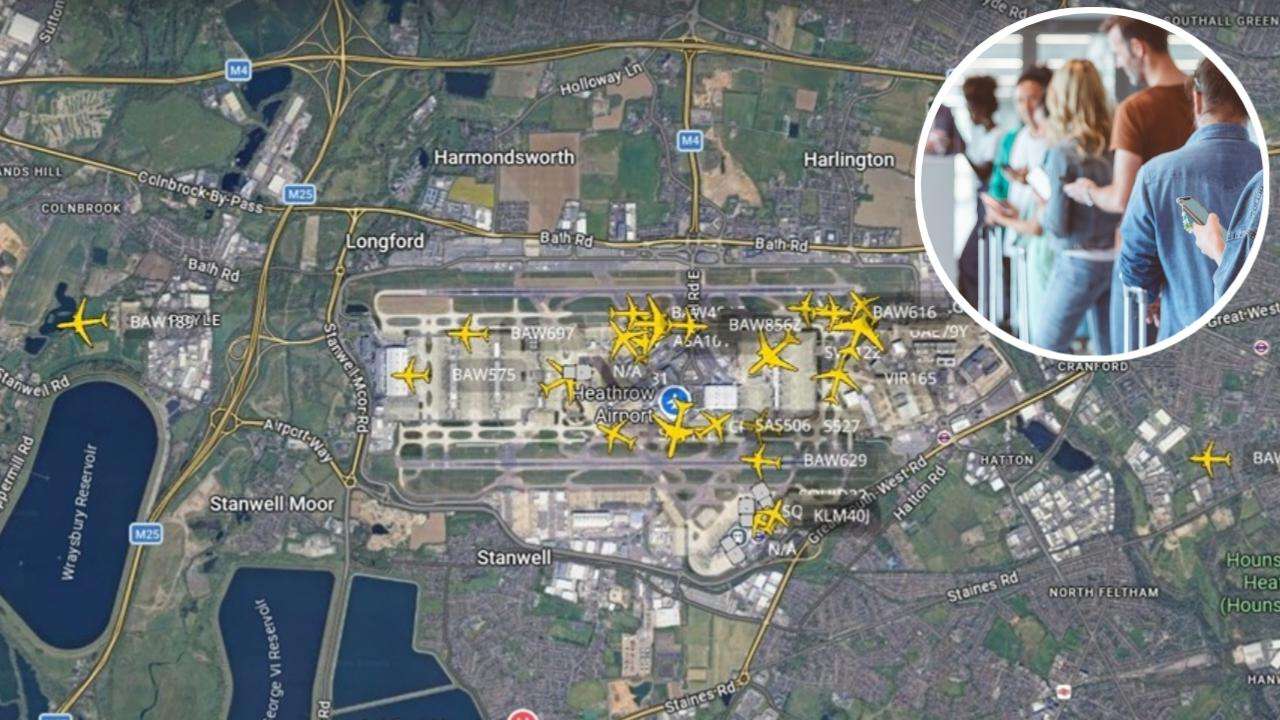
While initial reports focused on the kinetic military action, the emerging reality for global travelers is a systemic shutdown of the civil aviation corridor. Unlike previous disruptions, the current closure of Iranian, Qatari, and Emirati airspace creates a "dead zone" that cannot be easily bypassed. Flight tracking data now reveals a haunting emptiness over regions that usually host hundreds of wide-body jets hourly. With Qatar Airways and Emirates—the two titans of long-haul transit—grounding their fleets, the ripple effect is hitting passengers as far away as Sydney, London, and New York. This is no longer a regional delay; it is a global logistics failure.
The Refund Battle and Traveler Rights
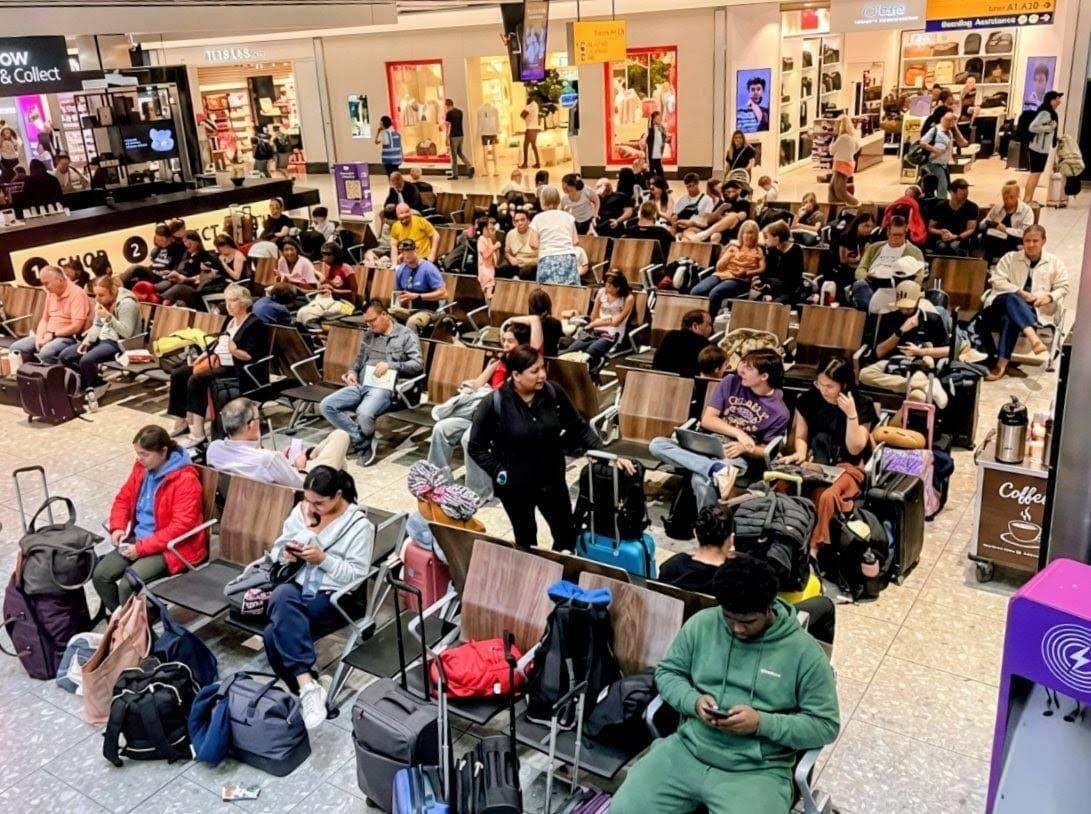
For those stuck in hotels or terminal lounges, the immediate question is financial survival. Under international aviation regulations, specifically UK/EU 261 protections for flights departing the UK or on European carriers, airlines are legally obligated to provide a "duty of care." This includes hotel accommodation, meals, and two successful communications. However, because the cancellations are due to "extraordinary circumstances" (war and military action), passengers are generally not entitled to additional cash compensation for the inconvenience.
To secure a refund, travelers must choose between a full reimbursement of the unused ticket or a reroute at the earliest opportunity. If you choose a refund, the airline's duty of care ends immediately. For hotel bookings made independently, the situation is grimmer. Unless the booking was "fully refundable," standard hotels are not legally required to refund guests due to third-party military conflicts. Travelers must look to their "Force Majeure" clauses in their travel insurance policies, which specifically cover government-ordered evacuations or war-related disruptions.
Trapped Between Visas and Vanishing Flights
The most precarious situation involves travelers like Sarah Short, who were literally on the tarmac when the world changed. For those with expiring visas in Gulf nations now under "shelter in place" orders, the legal complexity is soaring. Consular services are currently prioritizing physical safety over administrative paperwork. If the conflict extends into a multi-week war, the "next step" for the industry is a total pivot to sea-land extraction routes, as air superiority remains contested. Airlines are already warning that even "safe" routes to the Maldives and India will see massive price hikes and doubled flight times due to fuel-heavy detours over Africa or Central Asia.
The Protocol for the Stranded
If you are currently holding a visa and a cancelled ticket, your first move must be digital documentation. Save every "flight cancelled" notification and "shelter in place" alert from the Foreign Office; these are the evidentiary bedrocks for insurance claims. Do not proactively cancel your own flight if the airline hasn't yet; let the carrier initiate the cancellation to ensure your right to a refund remains intact. Contact your embassy via their emergency WhatsApp or web portals rather than calling, as phone lines are currently overwhelmed by the crisis in Doha and Bahrain.