





.svg)
The Metropolitan Police is still without DNA records for almost half of its serving officers, while more than one in five officers do not have fingerprints logged on the force’s elimination database.
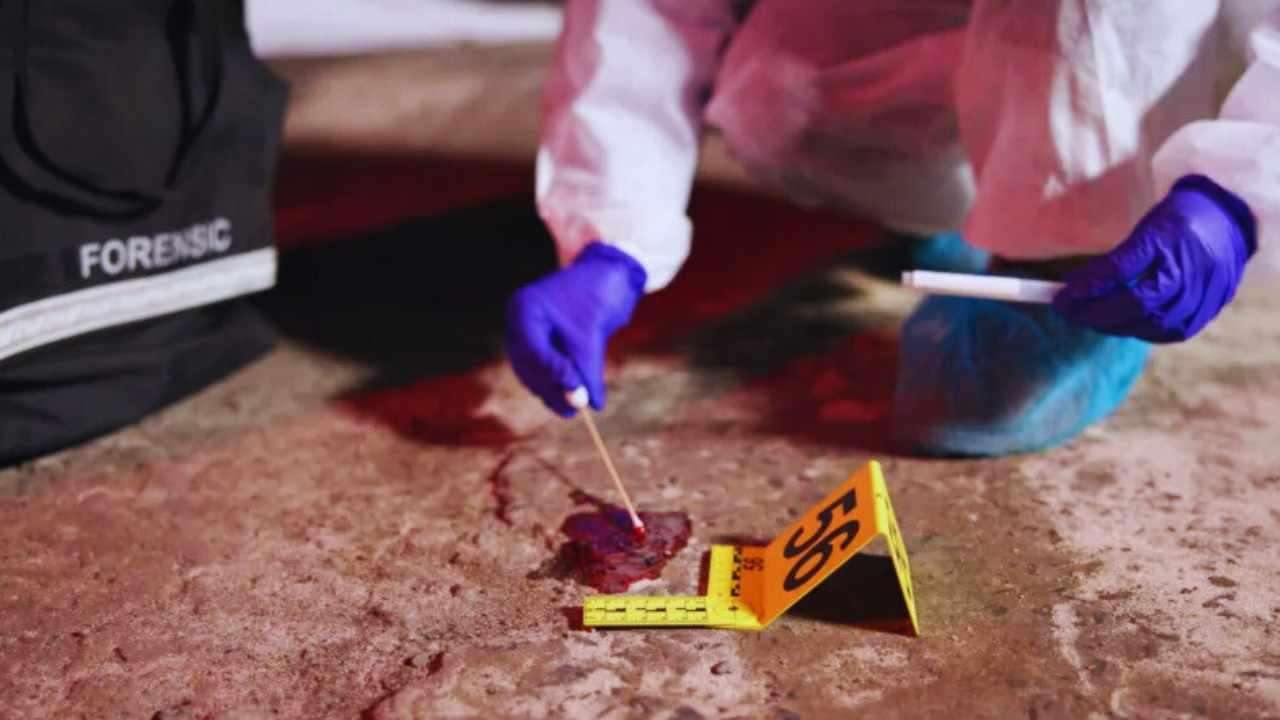
Elimination databases are designed to prevent police officers’ DNA or fingerprints from being mistaken for criminal evidence at crime scenes. By holding officers’ biometric data, forensic teams can quickly rule out contamination and avoid confusing officers’ samples with those of suspects.
However, the absence of complete records could undermine efforts to detect wrongdoing within the force itself.
Current Figures Show Slow Progress
Out of 32,431 Metropolitan Police officers, only 17,458 — approximately 53.8% — currently have their DNA recorded on the elimination database. Fingerprint coverage is higher, with 25,802 officers (79.6%) registered.
Concerns about incomplete biometric records are not new. In November 2024, it was reported that roughly half of Met officers were missing from internal DNA and fingerprint databases.
At the time, a spokesperson said the force was reviewing uncollected samples and strengthening procedures to ensure all necessary data is properly gathered and stored. The Met previously stated it aims to have DNA and fingerprints for every serving officer uploaded by 31 March 2028.
New Systems Introduced
The force has since introduced a new tracking database to monitor the lifecycle of officers’ biometric data, aiming to improve oversight and prevent gaps. Officials say improved data processes now help identify missing samples, address legacy record issues, and remove duplicate entries.
Despite these measures, the proportion of officers with DNA records has increased only marginally over the past 15 months.
Four Migrants Die in Channel Crossings
Background and Political Reaction
Since 2003, providing DNA samples for elimination databases has been mandatory for new recruits in England and Wales. However, following the 2021 murder of Sarah Everard by former officer Wayne Couzens, broader failings in vetting and recruitment exposed weaknesses in the Met’s systems, including gaps in biometric data collection.
Although the issue of elimination databases was not directly addressed in the Casey Review or the Angiolini inquiries, Labour MP Dawn Butler has repeatedly raised concerns about the matter.
Responding to the latest figures, Butler described the slow pace of progress as “deeply disappointing” and stressed that comprehensive biometric records are essential for accountability and rebuilding public trust.
She called on the force to act urgently to ensure that every serving officer’s DNA and fingerprints are properly recorded without further delay.
Scotland Yard maintains that it remains committed to completing the collection and upload of biometric data for all serving officers and members of the Metropolitan Police Special Constabulary by the March 2028 deadline.