






.svg)
The Home Office signals the end of automatic residency as new "fairness" rules link settlement to taxes, work history, and high-level English.
The Radical Shift to Temporary Protection
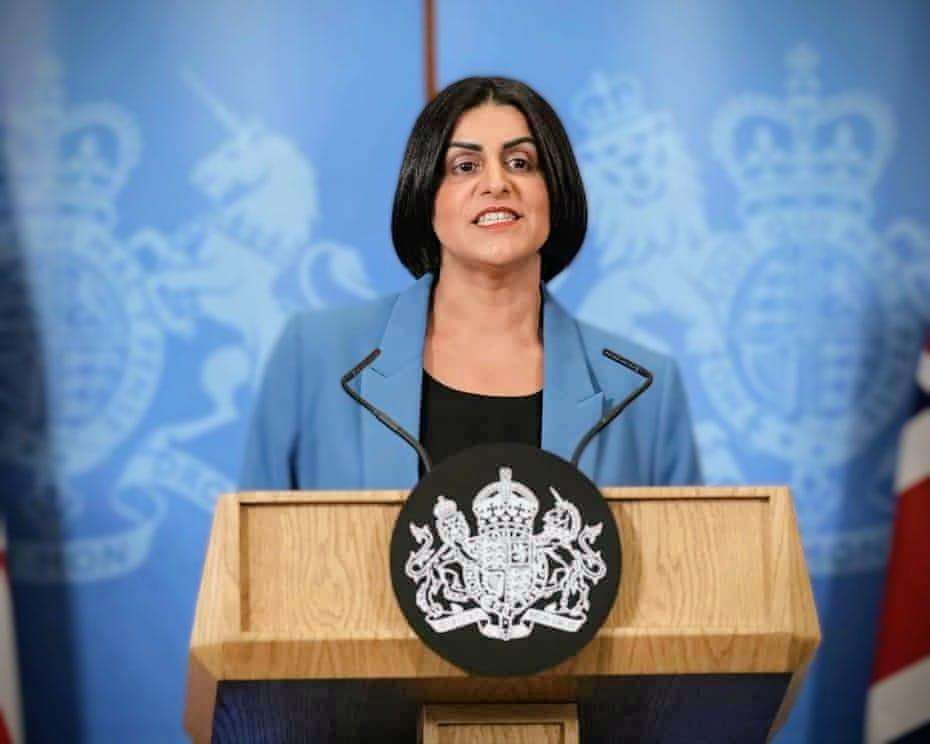
In a move that fundamentally rewrites the UK’s humanitarian compact, Home Secretary Shabana Mahmood has confirmed that the "age-old assumption" of permanent settlement for refugees is over. Effective immediately this March 2026, the traditional five-year grant of refugee status has been slashed to a 30-month temporary protection period. This "core protection" model means that every two and a half years, refugees will face a rigorous review; if their home country is deemed safe, they will be expected to return home rather than stay in the UK. This pivot, inspired by recent Danish policy, aims to eliminate "pull factors" and ensure the asylum system is no longer seen as a backdoor to permanent residency.
Restoring the Taxpayer’s Trust
Mahmood’s rhetoric centers on a "contract of fairness" with the British public. She argues that the sight of channel crossings and the multi-billion-pound cost of asylum hotels has eroded the trust of "hard-working people" who struggle to make ends meet. By framing border control as a "necessary condition" for Labour values, the Home Secretary is positioning these tough measures as a way to protect the integrity of the state. The message is clear: the state’s resources must prioritize those who contribute, and the era of open-ended hotel stays for claimants is being phased out in favor of stricter, swifter processing.
The 10-Year Path to "Earned" Residency
Beyond the initial 30-month limit, the criteria for staying in Britain long-term are becoming significantly more demanding. The standard qualifying period for settlement is doubling from five years to 10 years as the new norm. To bridge that gap, Mahmood is introducing an "Earned Settlement" system where applicants must demonstrate a clean criminal record, a history of paying taxes, and no debt to the taxpayer. This policy specifically rewards those who move into public service roles—such as doctors and nurses—by potentially allowing them to settle sooner, while others may face a path as long as 20 years if they do not meet strict contribution milestones.
The New A-Level English Barrier
Integration is no longer a suggestion; it is a mandatory requirement. A critical component of the 2026 reforms is the elevation of English language standards. Applicants seeking settlement must now reach a B2 level (equivalent to an A-level standard) in speaking, listening, reading, and writing. While Mahmood noted that a "working knowledge of Shakespeare" isn't required, a high-functioning command of the language is now a non-negotiable condition for anyone wishing to call the UK home. This change, which began rolling out this week, aims to ensure that those who settle are fully capable of participating in national life and the workforce.
What Comes Next for the UK Border
The roadmap for the remainder of 2026 points toward even tighter controls and the introduction of new "Work and Study" visa pathways designed specifically for refugees. These routes are intended to divert people away from "core protection" and toward self-sufficiency. However, for those who cannot or do not transition to these work-based visas, the future involves a cycle of 30-month reviews and the constant possibility of repatriation. As the government continues to close asylum hotels and move toward large-scale processing sites, the focus remains firmly on reducing the 100,000-plus annual claims seen in 2025 through a strategy of deterrence and "contribution-based" belonging.
Read more: 21,000 UK Asylum Seekers will Grant Work Rights Today

.jpg)
.jpg)





_2.jpg)