






.svg)
Scientists have discovered genes linked to antibiotic-resistant bacteria in Lough Neagh, raising concerns about public health and environmental safety. The lake supplies drinking water to around 40% of the population in Northern Ireland, making the findings particularly alarming.
Water samples collected from the lake revealed genetic markers capable of resisting several classes of antibiotics. Among them were genes linked to resistance against carbapenems — powerful antibiotics normally reserved as a last-line treatment for life-threatening infections when other medications fail.
The findings come amid growing global concern about antimicrobial resistance (AMR). According to data from the UK Health Security Agency, nearly 400 antibiotic-resistant infections are reported each week in England, with about 2,379 deaths linked to such infections recorded in 2024. The World Health Organization has repeatedly warned that antimicrobial resistance is among the most serious health threats facing humanity today.
Testing conducted by investigative researchers identified resistance genes covering a wide range of antibiotics. These included commonly used drugs such as penicillins as well as stronger medicines like quinolones, macrolides, aminoglycosides, and cephalosporins, which are used to treat severe infections including pneumonia. Genes resistant to tetracycline — frequently used in livestock farming — were also found.
Experts say the presence of these genes in the lake does not necessarily mean dangerous bacteria are immediately infecting people, but it increases the risk that harmful pathogens could acquire resistance traits in the future.
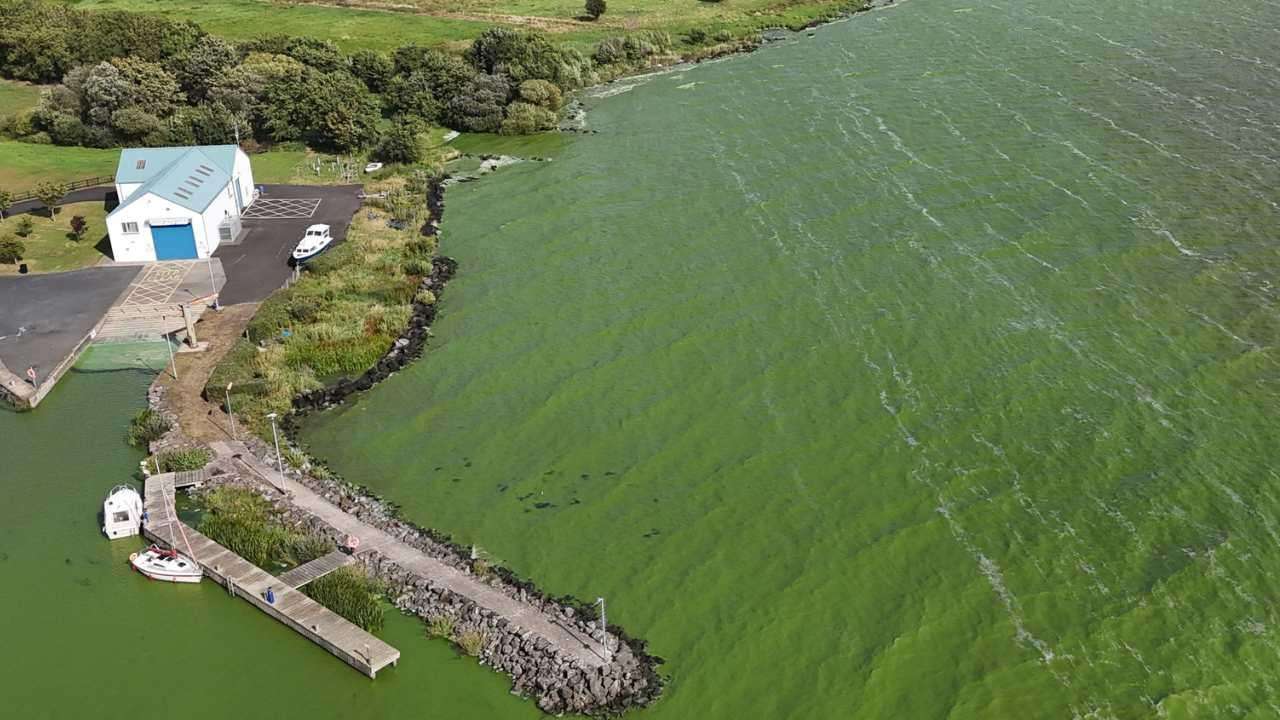
Researchers also detected evidence of human and animal waste in the water. Traces of faecal matter from people, cattle and pigs were identified, indicating contamination from sewage and agricultural runoff. Scientists warn that such environments create ideal conditions for antibiotic-resistant microbes to develop and spread.
Environmental scientists believe both untreated and treated wastewater may contribute to the problem. Even after treatment, wastewater can still release antimicrobial resistance genes into rivers and lakes.
A water industry expert also suggested that current monitoring systems may underestimate the scale of pollution entering waterways. While sensors are often installed on storm overflows, larger wastewater discharge points are sometimes left unmonitored.
Northern Ireland Water acknowledged that decades of underinvestment have limited the company’s ability to upgrade wastewater infrastructure. Officials say major long-term investment is needed to reduce pollution risks and improve environmental protection.
Agricultural activity is another significant factor. Livestock waste from farms can wash into waterways, carrying antibiotics, bacteria and resistance genes. Since policies promoting intensive agriculture were introduced in 2013, livestock numbers in Northern Ireland have risen substantially, increasing the pressure on the region’s water systems.
Environmental experts are calling for stricter farming practices, improved wastewater treatment technology, and stronger environmental regulation to address the issue.
Scientists warn that without decisive global action, antibiotic resistance could become one of the most severe health crises of the century. The World Health Organization estimates that drug-resistant infections could lead to up to 39 million deaths worldwide by 2050 if current trends continue.
The discovery in Lough Neagh highlights how environmental pollution, agricultural practices and human activity can combine to accelerate the spread of antibiotic resistance — a challenge that experts say requires urgent international attention.

.jpeg)

