


.svg)
A decade after a twisted love triangle led to a bloodbath in a quiet Luton hallway, the scars of the Khan family remain as deep as ever.
The Nightmare on Overstone Road: A Legacy of Betrayal
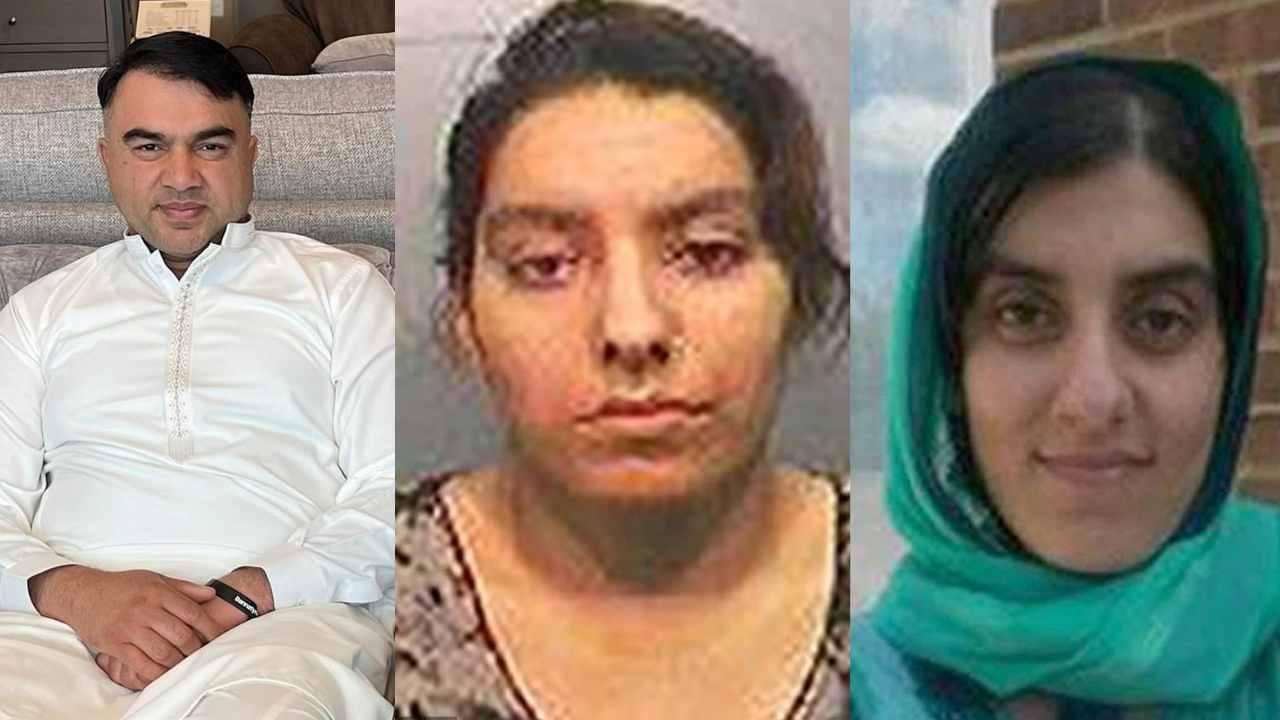
In May 2016, the quiet suburb of Challney, Luton, was rocked by a crime so visceral it seemed plucked from a horror film. Saima Khan, a 34-year-old mother of four, was found nearly decapitated in her hallway. The killer wasn’t a burglar or a stranger—it was her "inseparable" younger sister, Sabah Khan.
Read More: Blood, Black Magic, and the Sister Who Stole a Life to Steal a Husband
For ten years, the community has grappled with the dark details: a secret four-year affair between Sabah and Saima’s husband, Hafeez Rehman, a failed £5,000 "black magic" curse, and a pre-meditated stabbing so frenzied it lasted eight minutes in total darkness.
The Family Roots: British-Pakistani Identity
To clear years of public speculation, the family at the heart of this tragedy is *British-Pakistani. Both the Khan sisters and Hafeez Rehman share heritage linked to the village of **Gulpur in Pakistan-administered Kashmir*. This cultural link was exploited by Sabah when she contacted a "witch doctor" in Pakistan, hoping a spiritual curse would remove her sister so she could claim Hafeez for herself.
Where is the "Love Rat" Now?
While Sabah Khan serves her life sentence (with a minimum of 22 years), the man at the center of the triangle, Hafeez Rehman, has sparked fresh outrage by moving on.
Investigations reveal that Hafeez returned to his native village in Pakistan shortly after the trial to marry a second wife. He has since returned to Luton with his new bride, and the pair have started a new family with two children.
"He is a ghost in his own community," says a family source. "He drops Saima’s children at their grandparents' house—the murder house—but he never dares to step inside. He parks around the corner, avoids eye contact, and waits."
The Children and the Killer
Saima’s four children, who were upstairs during the murder and famously asked their aunt if she was "killing a mouse" during the attack, have been raised by their maternal grandparents. They live in the same semi-detached home where the tragedy occurred, a constant reminder of the night their family was torn apart.
Sabah Khan remains behind bars. She will not be eligible for parole until 2039. For those she left behind, there is no parole from the grief of a betrayal that defined a decade.