





.svg)
Geopolitical tensions are now the primary driver of UK economic uncertainty, threatening to push unemployment to a five-year peak.
Energy Costs Disrupting Industrial Stability
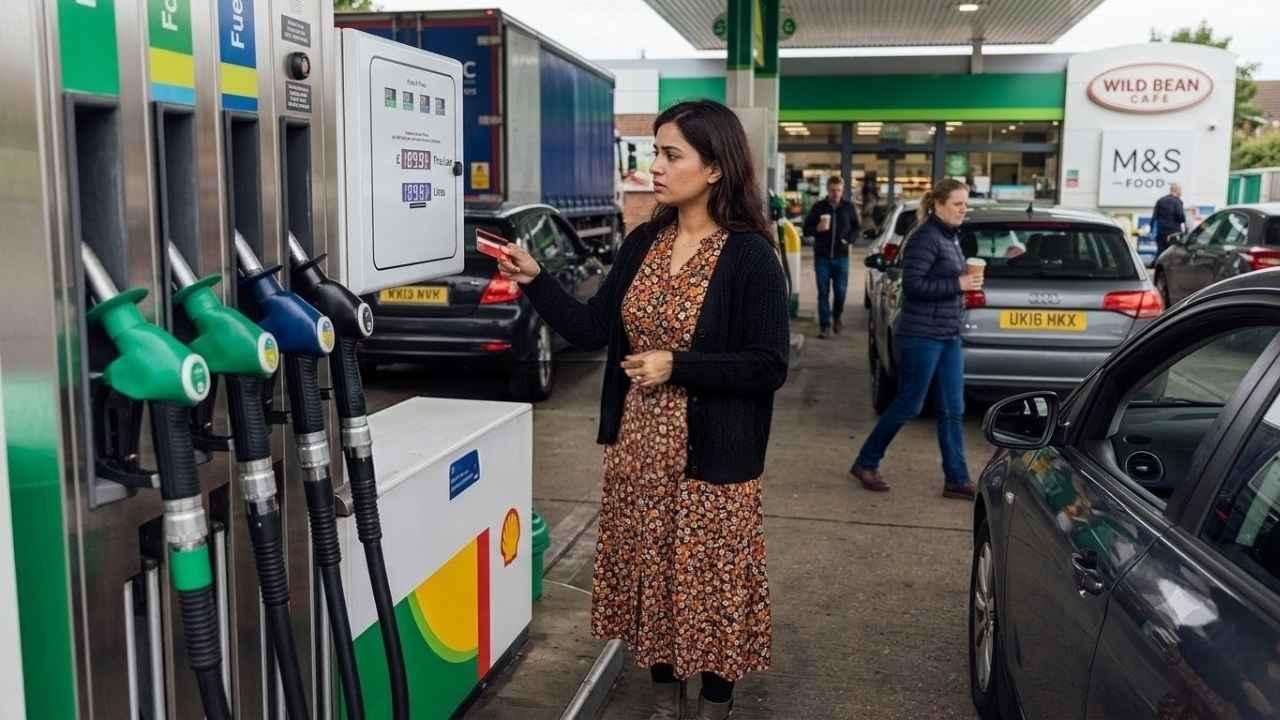
The escalation of conflict involving Iran has triggered a significant shock to global energy markets, with Brent crude prices surging past $110 per barrel in early March 2026. For the United Kingdom, a net energy importer, this volatility translates directly into higher production costs for manufacturers and increased overheads for the service sector. Industry analysts at Make UK have observed that while manufacturing output showed early signs of resilience this year, the sudden spike in fuel and gas prices has effectively neutralized domestic demand. Unlike the energy crisis of 2022, when the labor market was bolstered by post-pandemic recruitment, the current climate finds businesses with diminished "pricing power," leaving them with few options other than reducing headcount to maintain thin margins.
Interest Rate Forecasts Revised Upward
The Bank of England’s anticipated path toward monetary easing has been abruptly halted. Prior to the current regional unrest, financial markets had priced in multiple interest rate cuts for 2026 to stimulate a flagging economy. However, with the Office for Budget Responsibility (OBR) now estimating that sustained energy spikes could add a full percentage point to headline inflation—potentially pushing it toward 3% by year-end—the Monetary Policy Committee is expected to maintain the base rate at 3.75%. Some economists, including those at the National Institute of Economic and Social Research (NIESR), suggest that if inflationary pressures persist through the summer, the Bank may be forced to consider rate increases, a move that would further tighten the squeeze on mortgage holders and corporate borrowing.
Employment Projections and Sectoral Vulnerability
Forecasts from the British Chambers of Commerce (BCC) indicate that the UK unemployment rate, currently at 5.2%, is likely to climb to 5.5% within the coming months. This shift represents more than 100,000 additional citizens entering the jobless rolls, bringing the national total close to two million. The hospitality and retail sectors are particularly exposed; having already absorbed recent increases in the National Living Wage and National Insurance, these businesses are now facing a "second energy shock" without the safety net of high consumer confidence. Furthermore, youth unemployment has become a focal point of concern, with UK rates for 15-to-24-year-olds recently surpassing the EU average for the first time in two decades, creating a long-term risk of "skills scarring" in the workforce.