




.svg)
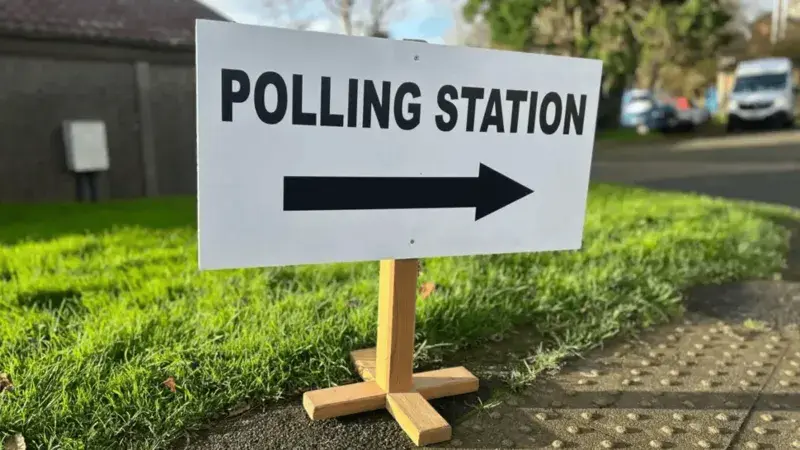
The upcoming elections on 7 May across England, Wales, and Scotland are shaping up to be a defining moment for the UK’s political landscape. With more than 30 million voters heading to the polls, the results could significantly reshape power at local and devolved levels—and pose a serious challenge to Prime Minister Keir Starmer and the Labour Party.
These elections, taking place midway through Labour’s time in government, include contests for devolved parliaments, six mayoral positions, and over 4,500 council seats. Early polling suggests Labour could suffer heavy losses, potentially losing up to three-quarters of the seats it currently holds. The Conservatives are also expected to face setbacks, while smaller parties aim to capitalize on shifting voter sentiment.
Scotland: Tight Race for Second Place
In Scotland, the Scottish National Party is projected to secure a fifth consecutive term. However, the competition for second place remains highly uncertain, with Scottish Labour and Reform UK closely matched.
SNP leader John Swinney has pledged to push for another independence referendum, though approval from Westminster remains unlikely. If the SNP falls short of a majority, it may rely on support from the Scottish Greens.
Wales: Potential Historic Shift
Wales could witness a political breakthrough, with Plaid Cymru aiming to lead the government for the first time. Leader Rhun ap Iorwerth is expected to play a central role, while Labour risks losing control of the Senedd after more than two decades.
The expansion of the Welsh Parliament to 96 members under a new electoral system adds uncertainty, with even tiny vote margins capable of deciding seats.
Northern England: Reform Targets Labour Strongholds
In areas like Sunderland, Labour faces a serious threat from Reform UK, led by Nigel Farage. The party is targeting traditional Labour strongholds across the north-east and Yorkshire, including Durham, Barnsley, and Wakefield.
Meanwhile, the Green Party of England and Wales is expected to gain traction in cities such as Leeds and Newcastle, appealing to both working-class and affluent voters.
North-West: Labour Under Pressure
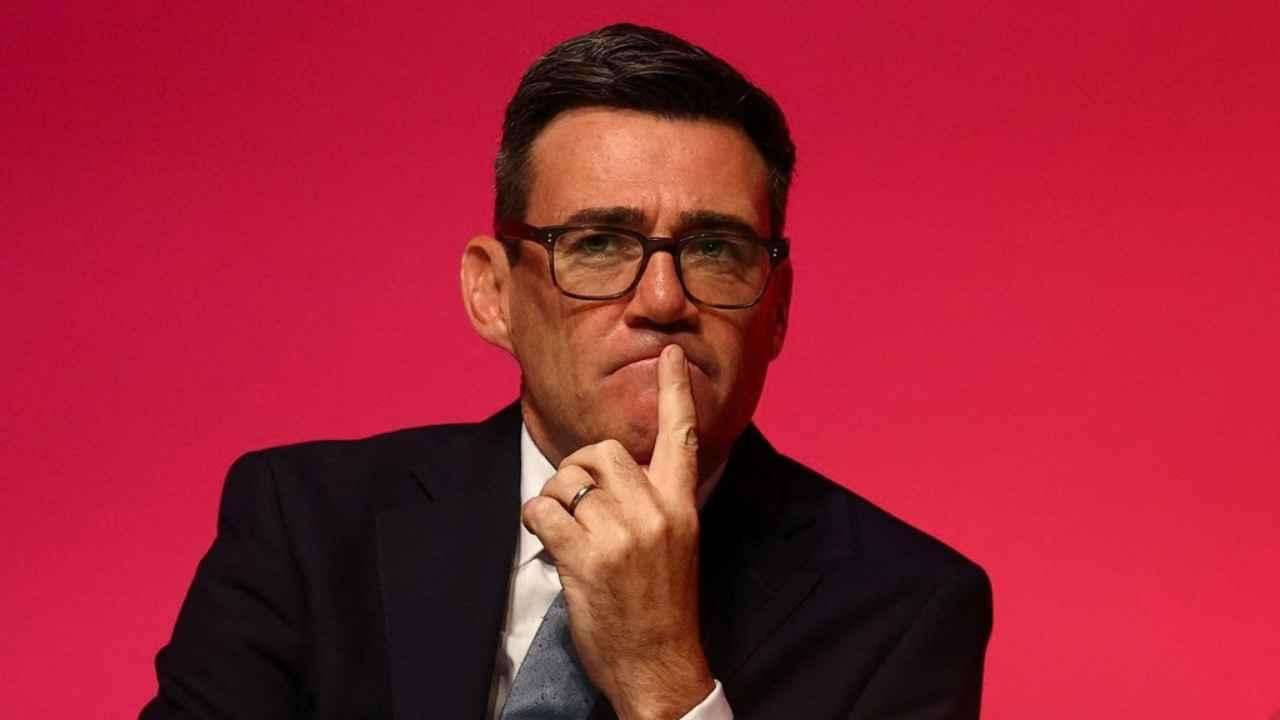
Although Labour is expected to retain control in Manchester, challenges from Reform, independents, and Greens could weaken its dominance. High-profile Labour figures like Andy Burnham may use any setbacks to push for leadership changes within the party.
East of England: Conservatives Face Losses
The Conservatives, led by Kemi Badenoch, are likely to lose several councils in eastern England. Reform UK is aiming to gain ground in counties such as Essex and Norfolk, while smaller parties like Restore UK could influence outcomes in key areas.
Midlands: Fragmented Results Expected
In Birmingham and across the Midlands, no single party is expected to dominate. A mix of independents, Greens, Reform, and Conservatives could leave councils under “no overall control,” forcing coalition negotiations.
London: Greens Challenge Labour Dominance
Labour’s traditional stronghold in London is under threat from the Green Party, particularly in Hackney, where they are aiming for a major breakthrough. Gains are also expected in boroughs like Lambeth and Lewisham, while Reform targets outer London councils.
Southern England: Liberal Democrats’ Opportunity
The Liberal Democrats are looking to strengthen their position in southern England, particularly in newly formed councils in Surrey. Their performance could indicate whether they remain a strong counterweight to both Labour and the Conservatives.

.jpg)