




.svg)
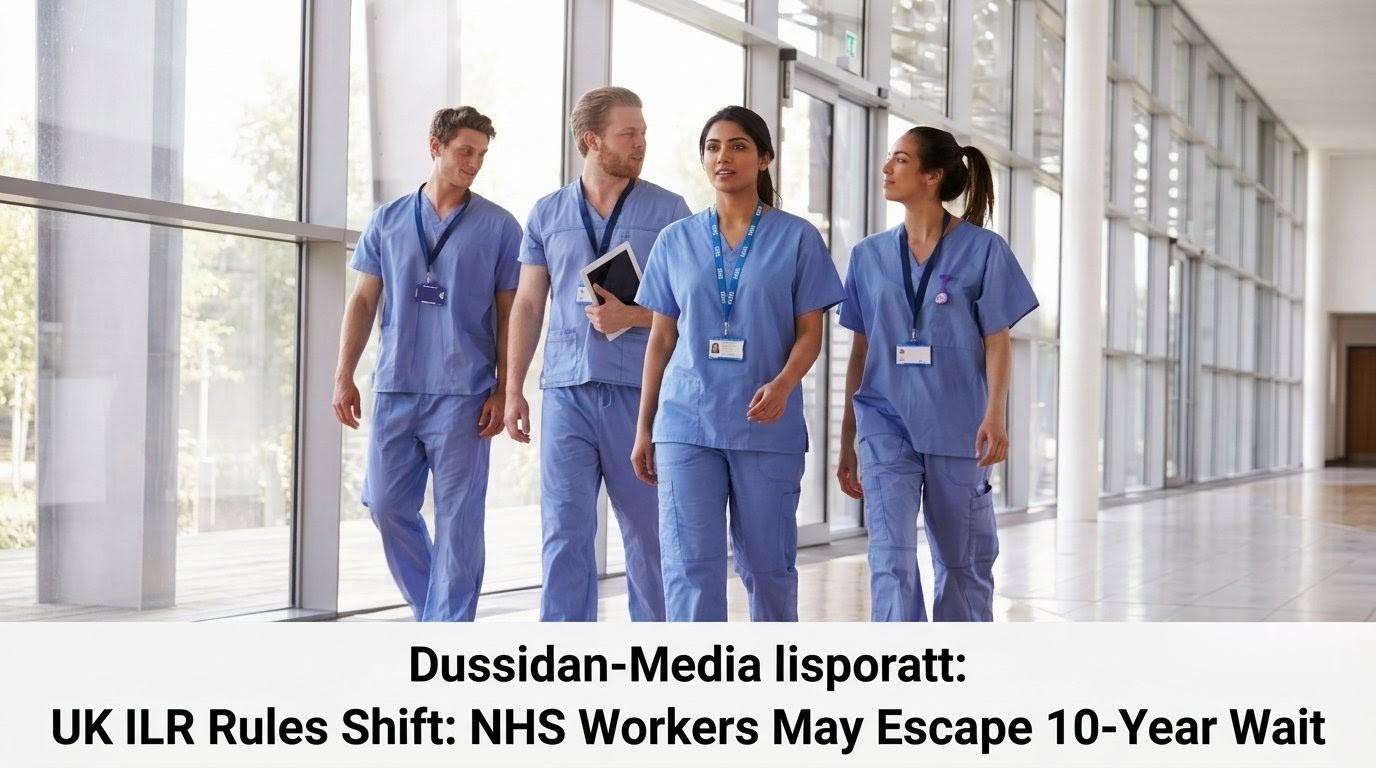
The British political landscape is bracing for a significant recalibration of border policy as Prime Minister Sir Keir Starmer appears to be distancing himself from the Home Secretary’s flagship immigration reforms. Just hours after the Home Office confirmed a sweeping new schedule of immigration and nationality fees set to take effect on April 8, 2026, the government’s unified front on settlement rules has begun to fracture. Sources within Downing Street are now hinting at a "softer path" for those already integrated into the UK workforce, marking what critics suggest could be the Prime Minister’s 14th major policy U-turn in 18 months.
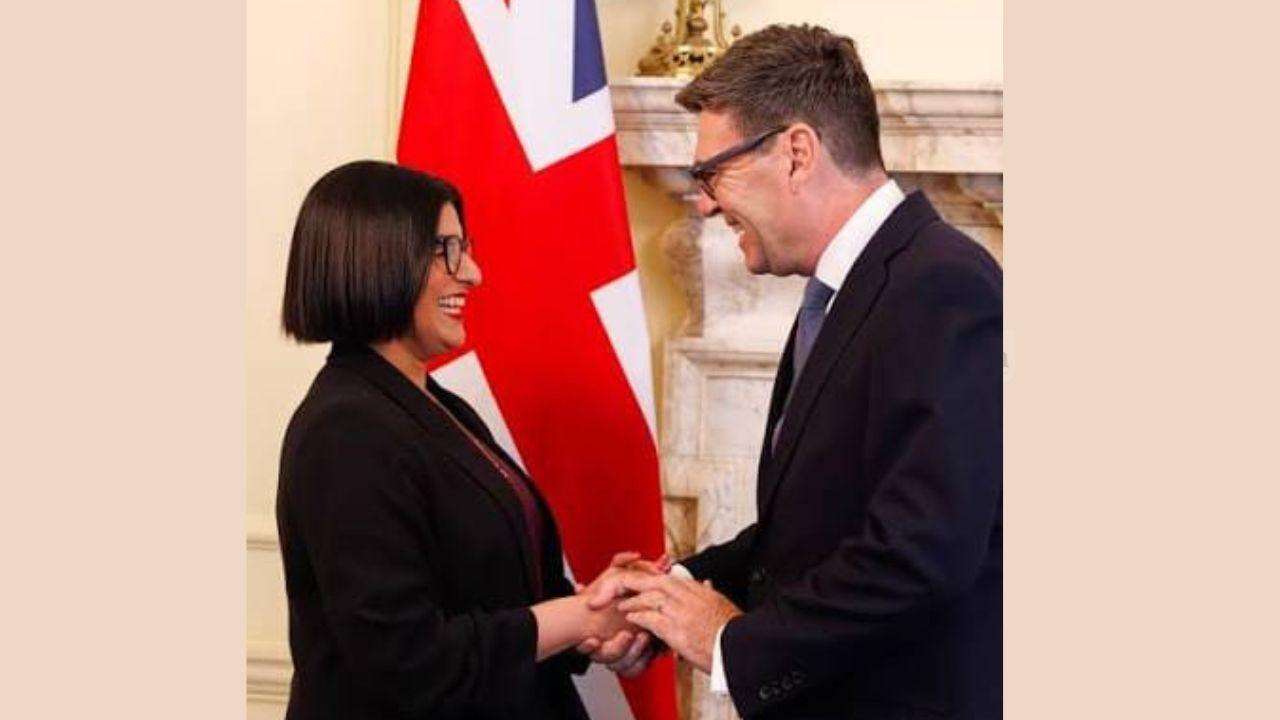
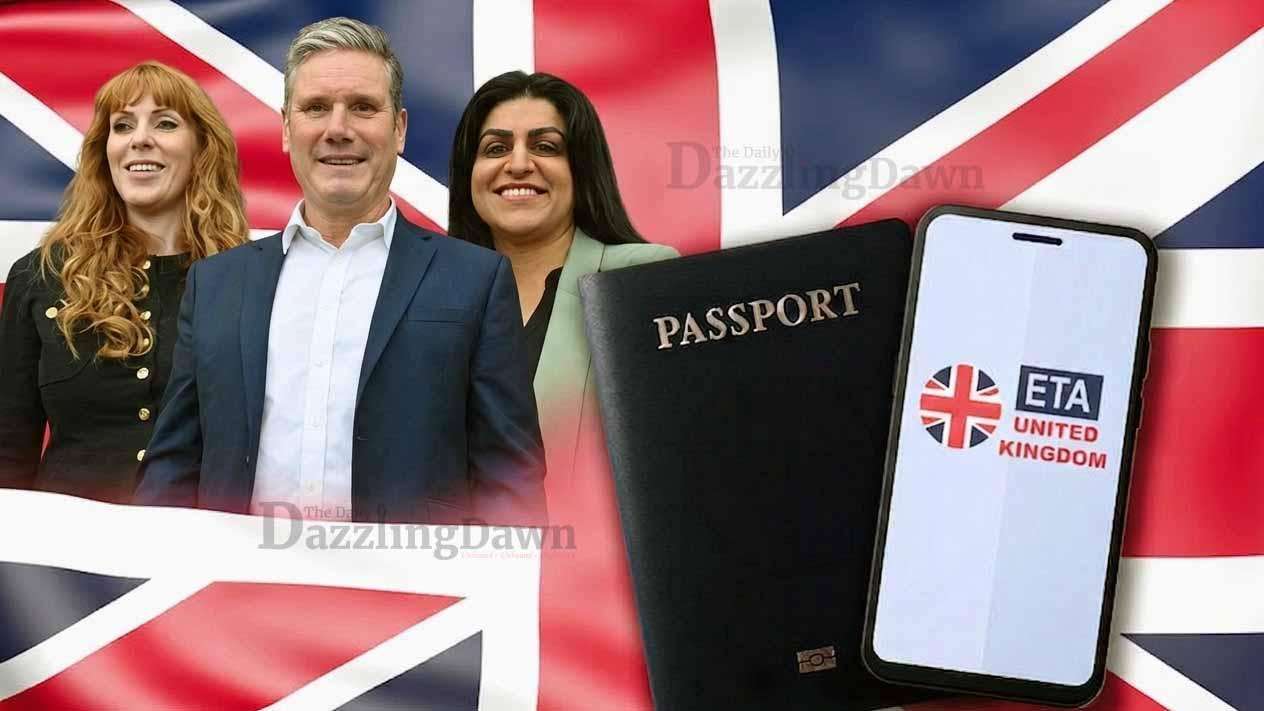
The tension centers on Home Secretary Shabana Mahmood’s proposal to double the qualifying period for Indefinite Leave to Remain (ILR) from five to ten years. While the Home Office officially maintains that the "position has not changed," the Prime Minister’s spokesperson pointedly refused to reaffirm a personal commitment to the 10-year timeline during recent briefings. This hesitation follows a high-stakes intervention by former deputy leader Angela Rayner, who characterized the retrospective application of these rules as "un-British" and a "breach of trust" for migrants who moved to the UK under the current five-year understanding.
Data from the Home Office indicates that the government is currently processing over 200,000 consultation responses regarding these changes. The internal friction is exacerbated by the rising influence of the Green Party and Reform UK, both of whom are siphoning off traditional Labour support. With the Green Party gaining ground among urban professionals who view the 10-year rule as a barrier to economic stability, Starmer faces a choice between maintaining a "hardline" stance to compete with Reform UK or pivoting toward the "fair play" platform championed by Rayner and Greater Manchester Mayor Andy Burnham.
Beyond the political maneuvering, tangible changes are already locked in for the coming month. The Home Office updated its official guidance on March 18, 2026, confirming that applicants will face a new tier of increased costs starting April 8, 2026. This includes a 6.5% rise in naturalisation fees, pushing the cost to approximately £1,709, while standard adult passport applications will increase to £115.50. Settlement application maxima are also being adjusted to £3,635, reflecting a broader strategy to meet Home Office costs through user fees rather than general taxation. These hikes, combined with the uncertainty surrounding the 10-year settlement route, have created a sense of urgency for thousands of legal residents whose path to permanent status remains in limbo.
The upcoming weeks are expected to reveal a refined strategy that balances border control with the economic necessity of retaining skilled workers. With the Conservative opposition offering their votes to push the original hardline measures through Parliament, Starmer’s next move will determine if he prioritizes party unity or the original restrictive pledges. The showdown between the Prime Minister’s pragmatism and the Home Secretary’s rigid reform package is no longer a matter of if, but when.