





.svg)
HMRC faces a rigorous National Audit Office investigation after a botched anti-fraud crackdown wrongly stripped thousands of parents of essential financial support.
The UK’s spending watchdog has intervened following revelations that HM Revenue and Customs (HMRC) used "flawed" Home Office border data to suspend child benefit payments for over 13,000 eligible families. The system, designed to catch claimants living abroad permanently, instead targeted parents who had simply taken short holidays or possessed heritage ties to countries like Bangladesh, Pakistan, and India. While HMRC claims the move was necessary to curb an estimated £270 million in overpayments, critics argue the "surveillance machinery" has created an atmosphere of fear among migrant communities and frequent travelers.
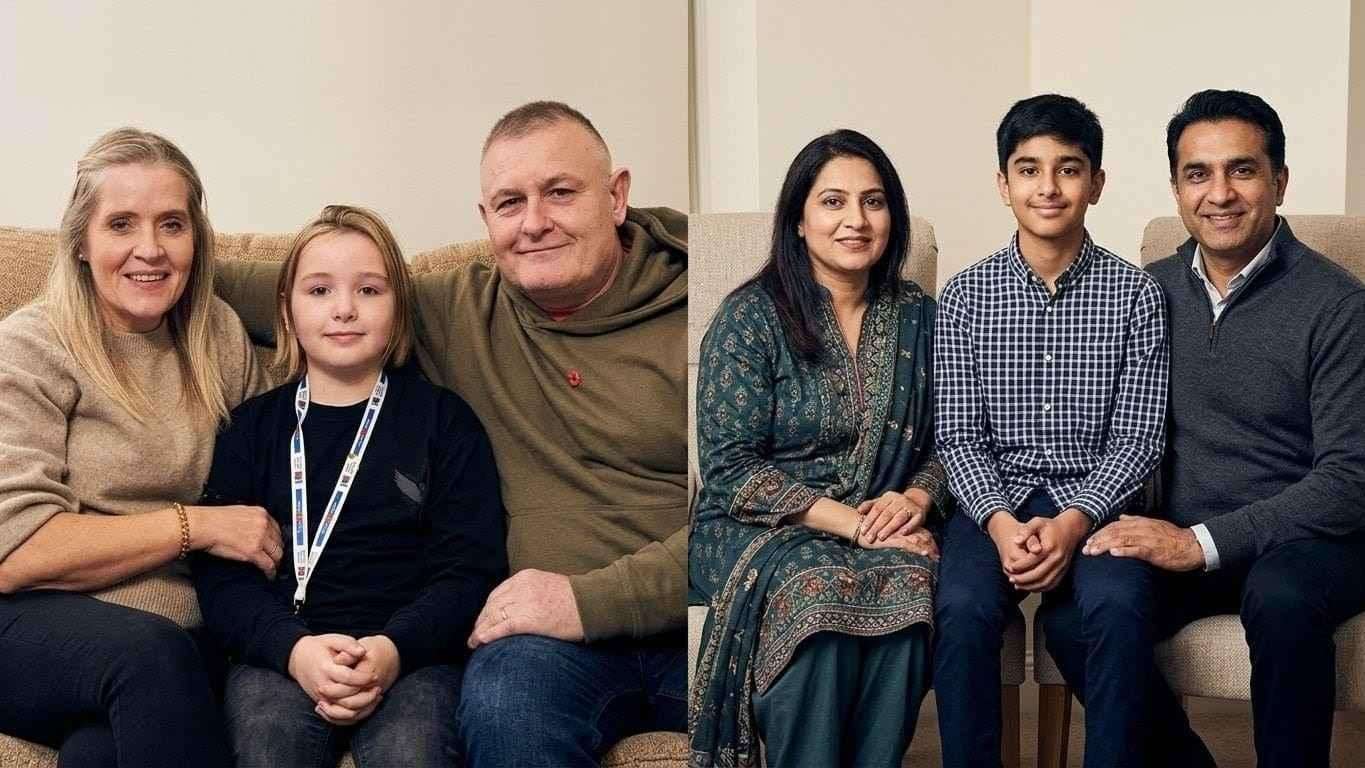
The human cost of these data errors is surfacing through families like Ellen Edwards, whose payments were cut after a one-week trip to Cyprus. Despite her son’s passport being stamped upon reentry, HMRC insisted the 10-year-old had never returned to the UK. The department demanded intrusive evidence, including school records and months of bank statements, to prove the family’s residency. This "digital border" approach has proven particularly grueling for British parents with elderly relatives in South Asia. For these families, the risk of a simple visit to see aging parents in Dhaka or Islamabad now carries the threat of a prolonged financial investigation and the suspension of their legal entitlements.
New testimony has highlighted that the system's failures extend beyond simple travel errors. Mr. James, a professional who took a contract in the Middle East while his family remained in the UK, saw his wife’s child benefit abruptly terminated. HMRC claimed the suspension was due to him "ceasing to pay UK tax," despite his family's clear eligibility and continued residency. It took over a year of persistent calls and correspondence to rectify the error and restore the allowance. While the funds were eventually backdated, the lack of an official apology and the year-long administrative battle underscore a systemic "lack of transparency" in how HMRC handles complex modern households.
The National Audit Office (NAO) is now conducting a "factual review" of the scheme, with a full report expected this summer. Of the 23,800 families targeted in the initial sweep, a staggering 13,700—more than half—were found to be fully entitled to the benefit. Meanwhile, approximately 500 families remain in financial limbo as their cases continue to be processed. Privacy International and the charity Turn2us have warned that these errors are driving vulnerable people away from the support system, with many now "too scared" to claim benefits for fear of being wrongly accused of fraud.
As the investigation unfolds, the government faces pressure to explain why automated data-matching was prioritized over human verification. For many parents, the damage is already done; the "massive mess" has left a trail of financial instability and a deep-seated distrust of the departments meant to support them. The upcoming summer report is expected to recommend strict new safeguards on how travel data is used to determine welfare eligibility, potentially forcing a total overhaul of HMRC’s anti-fraud algorithms.
HMRC has issued a general apology for the "mistakes" made during the expansion of the exercise, but for families who spent months proving they hadn't abandoned their country, the words offer little comfort. The focus now shifts to whether the NAO will find the data-sharing agreement between the Home Office and HMRC to be legally and ethically sound, or a breach of privacy that unfairly penalizes the UK's international community.