


.svg)
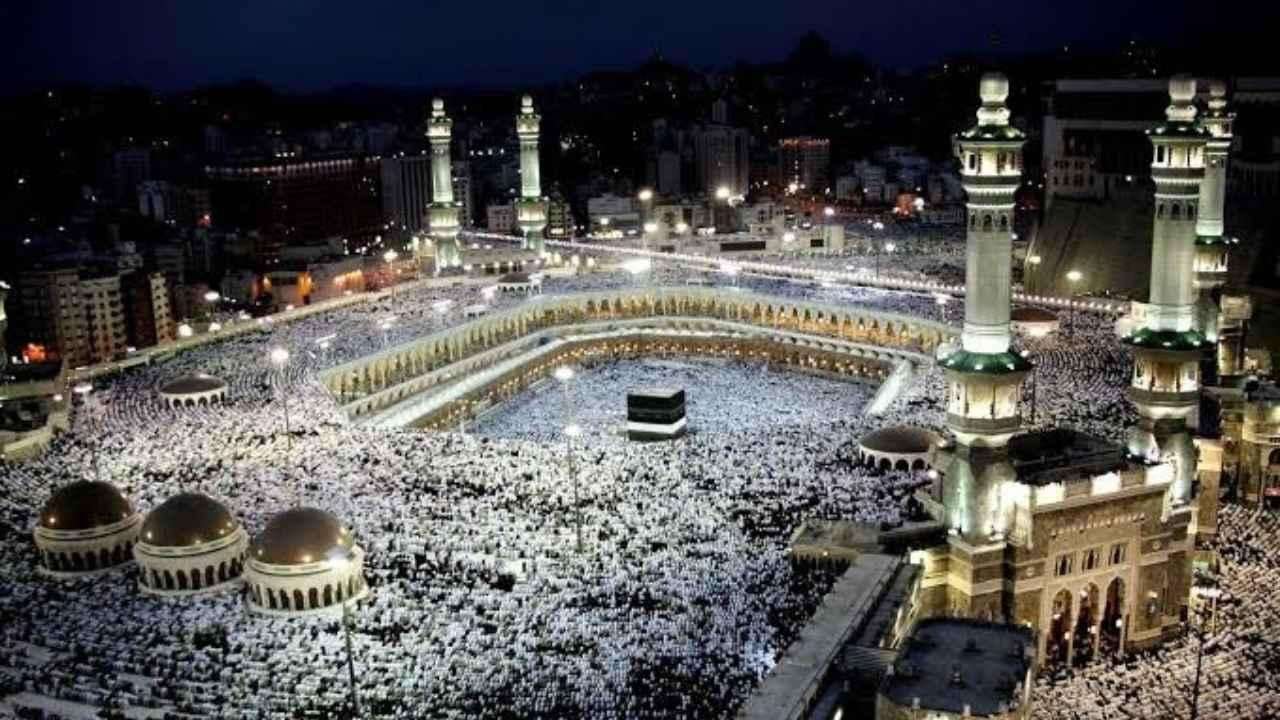
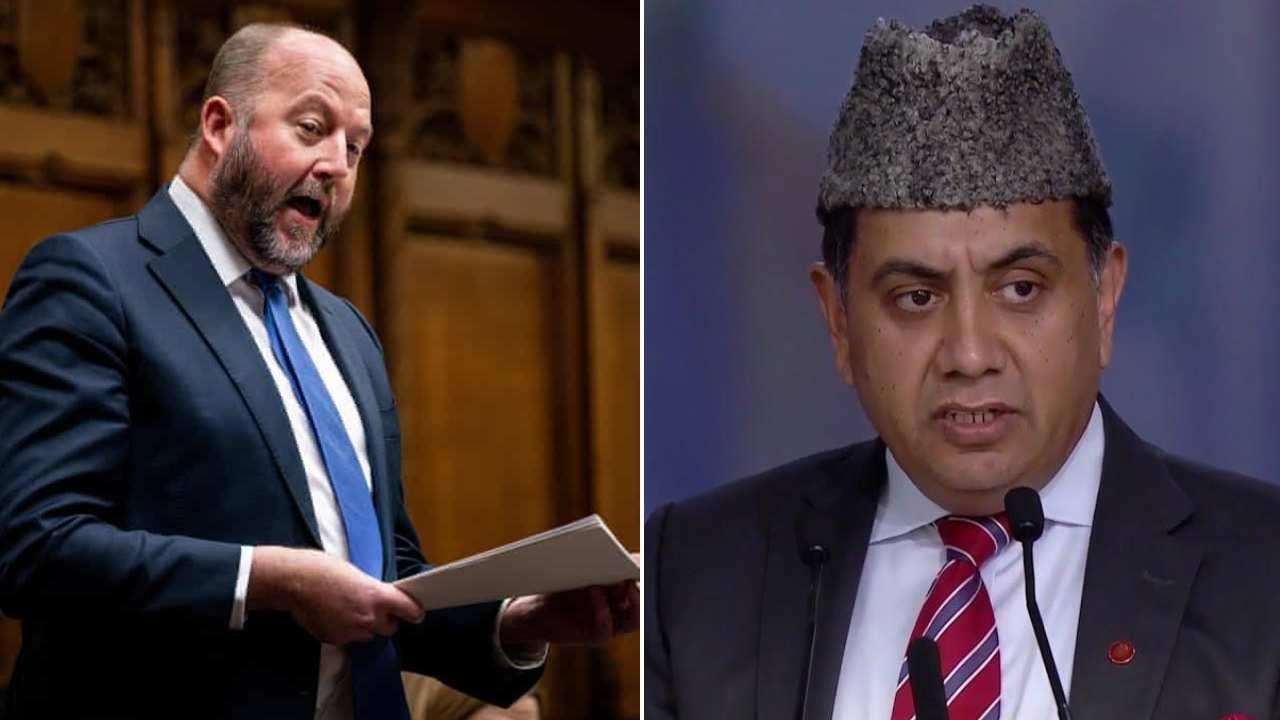
The Conservative Party is facing a localized meltdown as high-ranking Muslim members and 2026 local election candidates warn of a terminal breakdown in trust following Shadow Justice Secretary Nick Timothy’s branding of public Islamic prayer as an "act of domination." While party leader Kemi Badenoch has doubled down on Timothy’s rhetoric by framing it as a defense of "British values," the internal backlash has shifted from quiet concern to an open warning of a mass exodus that could decimate the party’s performance in critical battleground wards this May.
Local Candidates Trapped in Electoral Crossfire
British Muslim Conservative councillors, already navigating a hostile electoral map, report being pushed to the brink by the leadership’s current trajectory. In key councils where the party has historically relied on diverse voting blocs, candidates are facing intense pressure from constituents to either publicly denounce the frontbench or resign the whip. Internal party reports indicate that several veteran local representatives are now weighing runs as independents, fearing that the "sectarian" label adopted by the leadership will make the Conservative brand toxic on the doorstep. This internal rift provides a strategic vacuum for both Reform UK and independent "Muslim Vote" advocates, leaving moderate Tory candidates with no viable path to victory.
Lord Ahmad Condemns Strategy of "Instilling Fear"
The intervention of Lord Tariq Ahmad, a former counter-extremism minister who has served the party for three decades, has provided a focal point for the resistance. Ahmad has accused Timothy of "instilling fear" rather than offering legitimate policy critique, highlighting a growing sense of alienation among the party’s minority wing. He described the current atmosphere as a regression to a period of open hostility he believed had been consigned to history. Senior figures within the Conservative Muslim Forum argue that the leadership's support for Timothy’s comments—which specifically targeted a peaceful Iftar event in Trafalgar Square—is a calculated pivot that sacrifices "One Nation" principles to compete with Nigel Farage for right-wing consolidation.
The 2026 Election: A Referendum on Inclusion
The central conflict now lies between the leadership’s "anti-separatism" narrative and the reality of community cohesion. While Badenoch maintains that the party is addressing "cultural norms," critics within the Tory ranks argue the strategy is backfiring by creating the very divisions it claims to solve. With the 2026 local elections fast approaching, the party’s ability to field a representative slate of candidates is in jeopardy. Many internal observers warn that if the leadership does not pivot, the party faces a permanent loss of the British Muslim vote, turning what was once a "broad church" into a narrow, exclusionary faction.
Emergency Measures and the Path Forward
In the coming days, groups of Muslim Conservative members are expected to hold emergency summits to decide their future within the party. The focus is shifting toward whether the party will implement a more rigorous vetting process for rhetoric that targets specific faith groups or if the current "anti-dominion" line will become a permanent fixture of the manifesto. For local candidates, the immediate task is survival, as they attempt to reconcile their personal faith and community ties with a national leadership that many now feel has abandoned them for a "megaphone dog whistle" strategy.