






.svg)
The landscape for British electric vehicle ownership shifted significantly this week as the Treasury faces mounting pressure to standardize charging costs following a high-profile legal defeat.
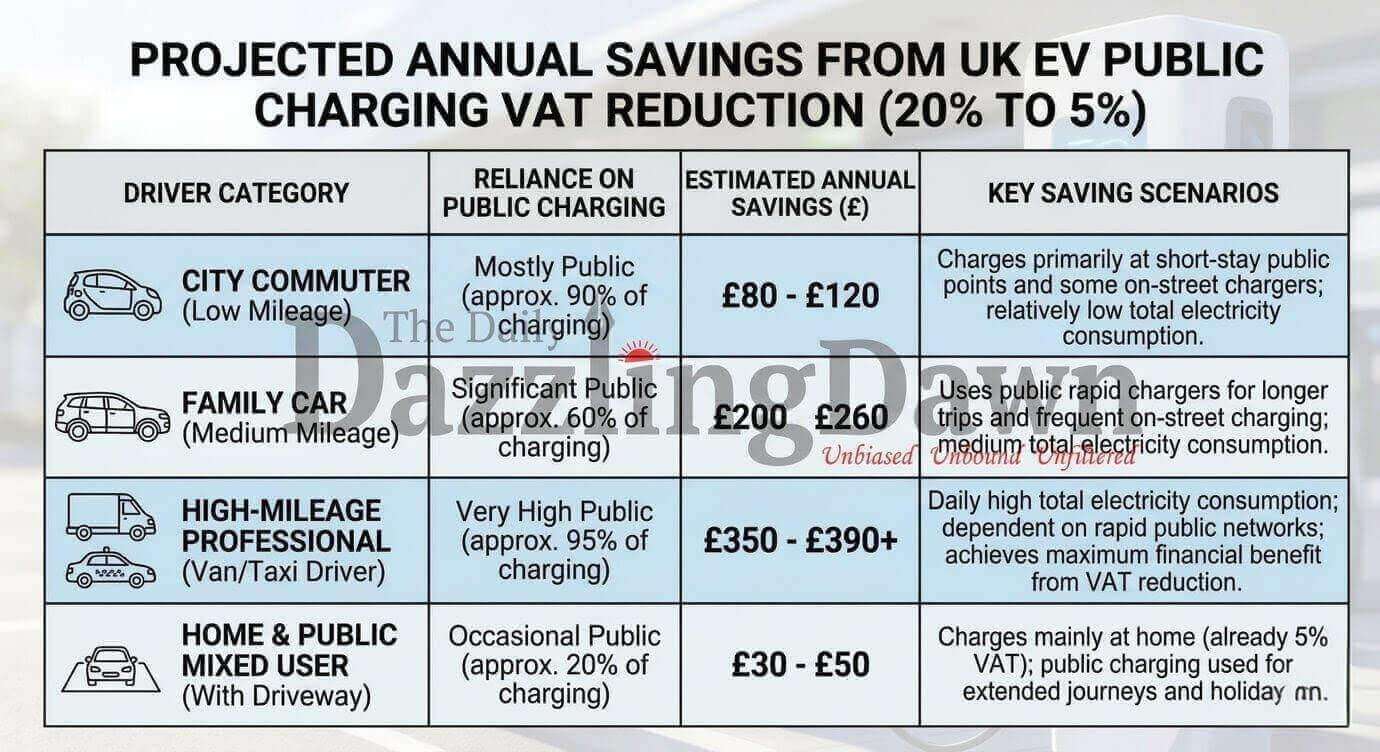
While the government has remained largely silent on specific adjustments to the Spring Statement, the First-tier Tribunal recently sided with Charge My Street, effectively dismantling the long-standing argument that public charging must be taxed as a luxury service. Industry insiders now expect a ripple effect across the entire public network, as the ruling confirms that the 1,000kWh domestic threshold should legally apply to many public charging points. This shift would drop the tax rate from 20% to 5%, mirroring the costs enjoyed by those with private driveways and potentially saving high-mileage drivers nearly £400 per year.
The immediate future of this policy now rests on whether HMRC will formally appeal or if the Treasury will integrate these changes into upcoming fiscal updates to avoid further litigation. Tax experts from Deloitte and Alvarez & Marsal suggest that the current definition of "premises" used to justify the 20% rate is increasingly indefensible in a modern infrastructure context. With 35% of EV motorists lacking off-street parking, the resolution of this "pavement tax" is no longer just a fiscal debate but a necessary step for the UK to meet its 2030 electrification targets.
Public sentiment remains deeply divided over how these costs should be distributed and regulated. Some observers, like Mark Dean, argue that the 20% rate is a legitimate service charge, comparing it to the VAT increase applied when a food item is heated for a customer. Conversely, advocates like easygoingscoobysnax Larsen suggest that social equity demands equal pricing for those unable to install home infrastructure. Meanwhile, motorists like Callie Kent express concern that "leveling the playing field" could eventually lead to higher taxes for home users rather than lower costs for the public, warning against a system that penalizes one group to accommodate another.
The next phase of this transition will likely see charging providers updating their software to reflect these lower VAT rates at the point of sale. Motorists should keep a close eye on "Charge My Street" affiliated hubs and similar community-led projects, which are expected to be the first to implement the 5% rate as the legal precedent solidifies across the UK network.