



.svg)
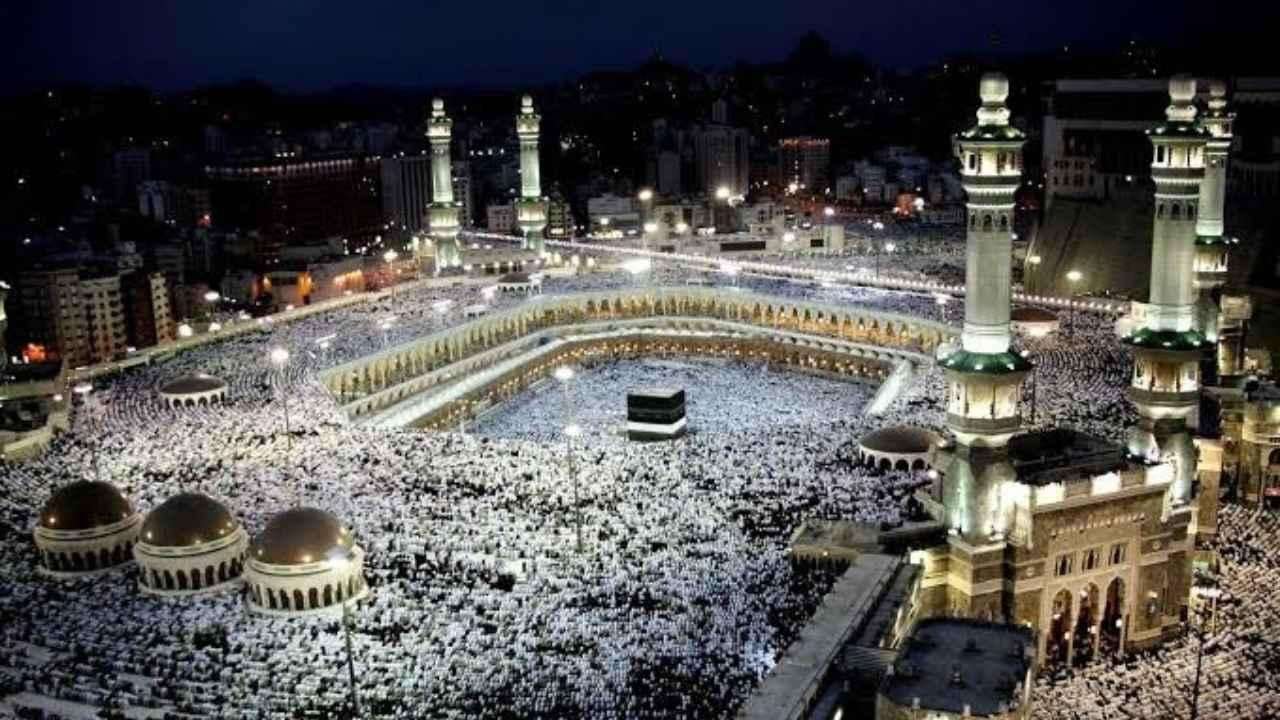
The narrative that Muslim-majority nations do not offer sanctuary to those fleeing conflict has been definitively refuted by latest UN data, which confirms these countries host more than 16 million displaced people globally. While international focus often rests on Western borders, nations like Bangladesh, Turkey, and Pakistan are currently supporting the vast majority of the world’s most vulnerable populations despite severe internal economic pressures, Daily Dazzling Dawn understand.
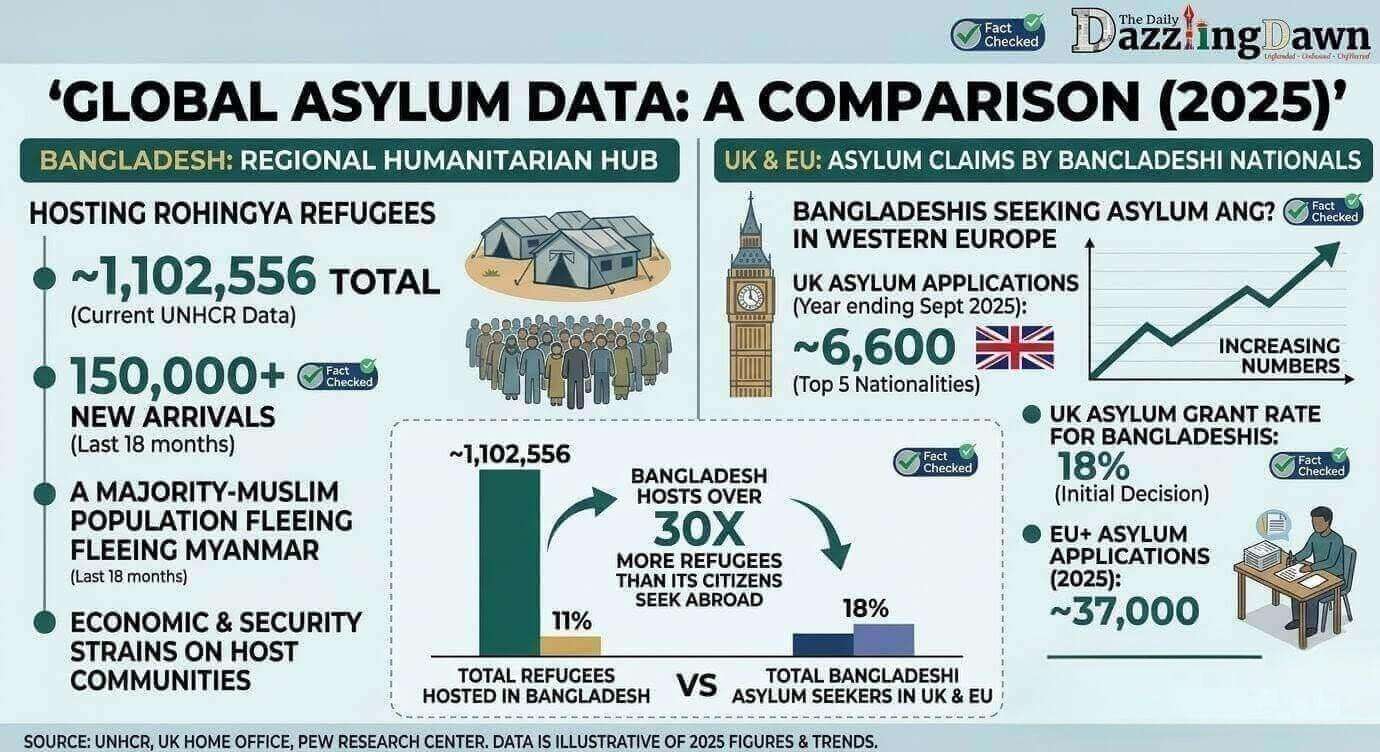
Global Burden Shifts to Developing Muslim Nations- Updated figures from the UNHCR for 2025 reveal that member states of the Organization of Islamic Cooperation (OIC) are providing shelter to over 16 million refugees and individuals in refugee-like situations. Bangladesh, a key player in this humanitarian effort, currently hosts approximately 1,102,556 Rohingya refugees who fled systemic persecution in Myanmar. This population, which is overwhelmingly Muslim, remains concentrated in the Cox’s Bazar region, making it the most densely populated refugee settlement on the planet.
The economic strain on Bangladesh is immense. As an economically developing nation, the cost of providing health, nutrition, and education for over a million people has created a complex domestic environment. While the government maintains its commitment to humanitarian support, the local population in the host districts has expressed rising frustration. Reports from Cox’s Bazar indicate a sharp increase in community tension as residents correlate the refugee influx with a record-high crime rate in surrounding areas, including drug trafficking and internal camp violence, stretching local law enforcement to its limit.
Bangladeshi Asylum Trends in the UK and Europe- While Bangladesh hosts over a million refugees from its neighbor, a significant number of its own citizens are seeking protection in the West. In the year ending September 2025, the UK saw a record surge in asylum claims, with Bangladeshis ranking among the top five nationalities applying for protection. Specifically, in 2025 alone, roughly 6% of all UK asylum seekers were from Bangladesh, equating to thousands of new applications.
Across the European Union, the trend is even more pronounced. In 2025, approximately 37,000 Bangladeshi nationals applied for asylum in the EU+, with Italy receiving the highest concentration. Data shows that over the last five years (2021–2025), the number of Bangladeshis seeking refugee status in Europe has fluctuated but remains high; for instance, in 2025, nearly 24,318 Bangladeshis arrived in Europe by sea and land routes, a 59% increase over the previous year.
The Disparity in Humanitarian Responsibility- The statistics highlight a staggering disparity: while tens of thousands of Bangladeshis seek asylum in Europe and the UK annually, the state of Bangladesh itself is sheltering a refugee population nearly 30 times larger than the total number of its citizens seeking status abroad. This "forced displacement imbalance" is a recurring theme among Muslim-majority countries. Turkey, Iran, Pakistan, and Bangladesh combined host over 7.8 million refugees, dwarfing the resettlement figures of the world’s wealthiest nations.

As the 2026 humanitarian funding cycle approaches, the UNHCR warns of a "critical funding cliff" for the Rohingya response. Without an immediate injection of international aid, essential services like cooking fuel and food assistance for the million-plus refugees in Bangladesh are projected to cease by the end of the year, potentially triggering further regional instability.