






.svg)
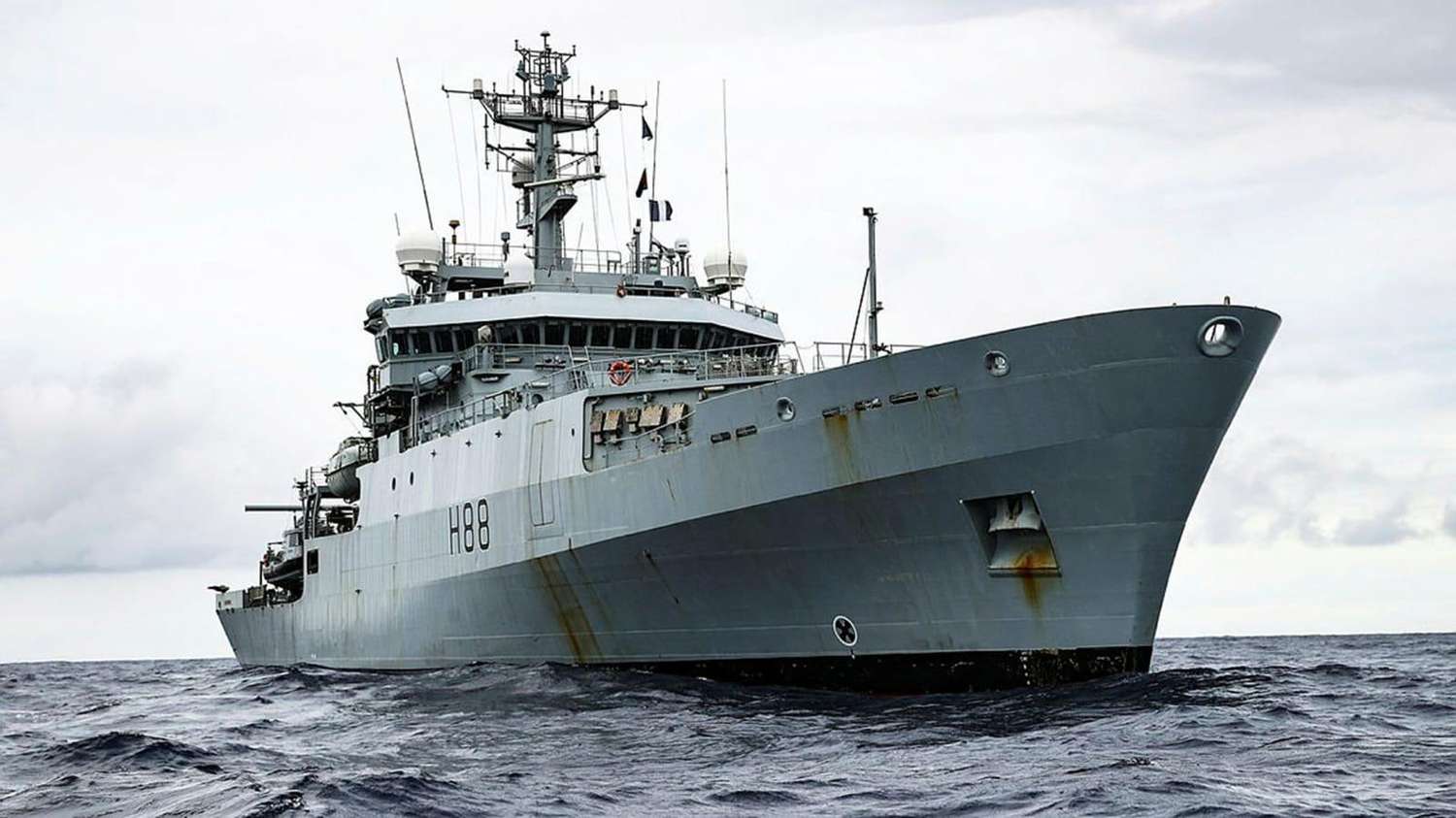
The departure of the former Royal Navy survey vessel HMS Enterprise from Portsmouth Harbour marks the beginning of a significant geopolitical transition, as the ship enters a comprehensive refurbishment phase prior to its official induction into the Bangladesh Navy. This transfer represents more than a simple change of ownership; it signifies a deepening of bilateral defence ties and a strategic pivot toward enhanced maritime domain awareness in the Bay of Bengal.
While the vessel’s decommissioning in late 2022 marked the end of a storied twenty-year career under the White Ensign, its journey into 2026 is defined by a rigorous technical overhaul designed to extend its operational life until at least 2028. The current phase involves upgrading the ship’s sophisticated sonar suites and data-collection systems, ensuring that Dhaka inherits a platform capable of modern hydrographic, oceanographic, and scientific research. This capability is expected to bridge the gap between military security and academic advancement, with Bangladeshi universities slated to access the vessel’s data for environmental and maritime studies.
The strategic implications of this transfer are profound. By equipping the Bangladesh Navy with a vessel of this calibre, the United Kingdom is effectively supporting regional stability in a vital global shipping lane. A senior diplomatic official told journalists that the sale reflects a profound level of trust and cooperation, noting that the vessel’s new chapter will directly support a secure and prosperous maritime environment. The transition follows a broader trend of the UK offloading specialised tonnage, such as the recent sale of Royal Fleet Auxiliary tankers to the private sector, as the Royal Navy shifts toward the Future Military Data Gathering Programme—a transition toward autonomous and drone-based intelligence collection.
Beyond the immediate technical refit, the focus now shifts to the training of Bangladeshi crews and the integration of the vessel into Dhaka’s "Forces Goal 2030" modernisation plan. This vessel, which famously surveyed the blast-damaged Beirut harbour and conducted high-stakes humanitarian rescues in the Mediterranean, is being prepared to monitor shifting seabed topologies and protect sovereign waters.
In a report for Daily Dazzling Dawn, it is clear that the upcoming months will be critical as engineers finalise the vessel’s transition from British standards to its new operational parameters. Observers of naval procurement suggest that this handover may pave the way for further maritime collaborations, potentially involving the transfer of offshore patrol vessels to other international partners as the Royal Navy continues to streamline its fleet for the next generation of high-tech warfare.
The vessel, having steamed over 500,000 miles in its previous life, is now being readied for its most important mission yet: acting as a scientific and security sentinel in one of the world's most ecologically sensitive and strategically contested water bodies.
Emerging Strategic Horizon
The next phase of this naval diplomacy will likely involve high-level sea trials in the Bay of Bengal, where the ship will be integrated into multi-national maritime exercises. This move is anticipated to enhance Dhaka's ability to counter illegal fishing and manage disaster response, ensuring the legacy of the Echo-class ships continues far beyond the English Channel.