






.svg)
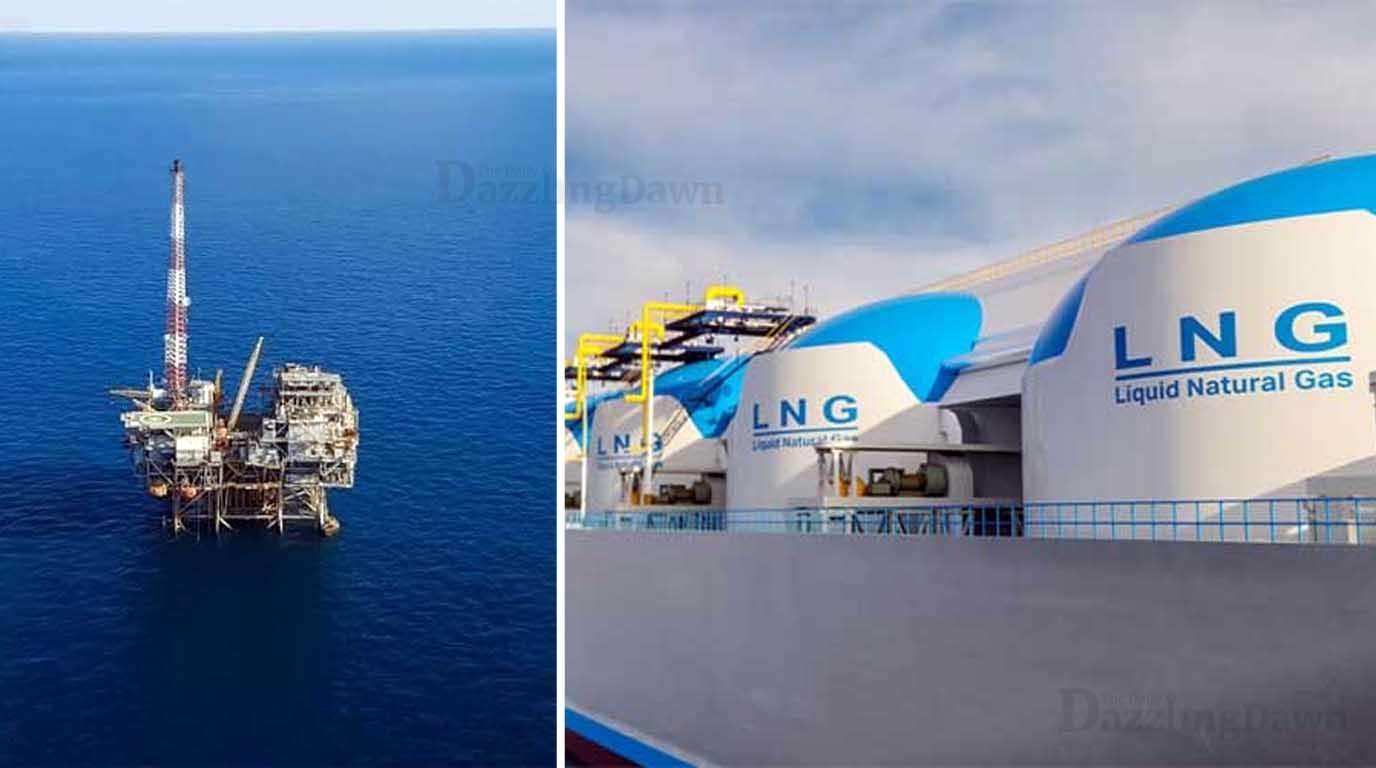
Bangladesh stands at a historic crossroads as the newly elected government prepares to dismantle a decade-long monopoly that shackled the nation to expensive foreign imports. For years, the country’s vast maritime wealth—spanning 118,813 square kilometers—remained untouched, not by accident, but through calculated policy shifts by the previous administration. These shifts prioritized high-interest Liquefied Natural Gas (LNG) contracts that drained over 407 billion BDT in a single fiscal year, favoring middle-men and foreign cartels over domestic self-sufficiency.
The Legacy of Corporate Manipulation
Evidence now surfacing suggests that major foreign energy entities successfully lobbied past political leaders to stall local exploration. By keeping Bangladesh’s own rigs silent, these giants ensured a captive market for LNG, effectively turning a resource-rich nation into a perpetual customer. While neighbors like India and Myanmar aggressively tapped into the shared Bengal Fan geological formation, Bangladesh was steered toward "quick-fix" import terminals. This artificial scarcity crippled the industrial belt, yet the tide is turning as the 2026 policy reset prioritizes the "Bangladesh First" energy doctrine.
Breaking the Deep-Sea Deadlock
The maritime boundaries won in 2012 and 2014 are finally being treated as the national assets they are. Unlike the sluggish pace of the last decade, the current administration is fast-tracking the 2024 Offshore Bidding Round with intensified scrutiny on "predatory" clauses. The goal is to ensure that international oil companies (IOCs) operate as partners rather than masters. With the global Brent crude index now integrated into revised Production Sharing Contracts (PSCs), the government is positioning Bangladesh to attract top-tier technology without sacrificing territorial integrity.
Next Steps: The 2026 Energy Roadmap
What happens next is a rapid mobilization of BAPEX and strategic joint ventures. Experts indicate that the 14-month extension on bidding was a necessary "cleansing period" to ensure contract transparency. In the coming months, we expect the formal signing of exploration deals for the 24 offshore blocks. This isn't just about gas; it's about shifting the geopolitical balance. By inviting a diverse portfolio of investors from both the West and the East, Bangladesh is ensuring that no single foreign power can dictate the nation's energy security ever again.