






.svg)
The arrival of spring in the UK appears to be breaking records in 2026, with natural events unfolding earlier than ever observed this century. From blooming bluebells to the return of migratory birds and the emergence of butterflies, the season is advancing at an unprecedented pace.
Data collected by Woodland Trust’s Nature’s Calendar project shows that key seasonal markers—such as frogspawn laying, bird nesting, and plant flowering—are occurring significantly earlier than historical averages. Citizen scientists across the country have contributed to these findings, highlighting a consistent trend of spring arriving sooner each year.
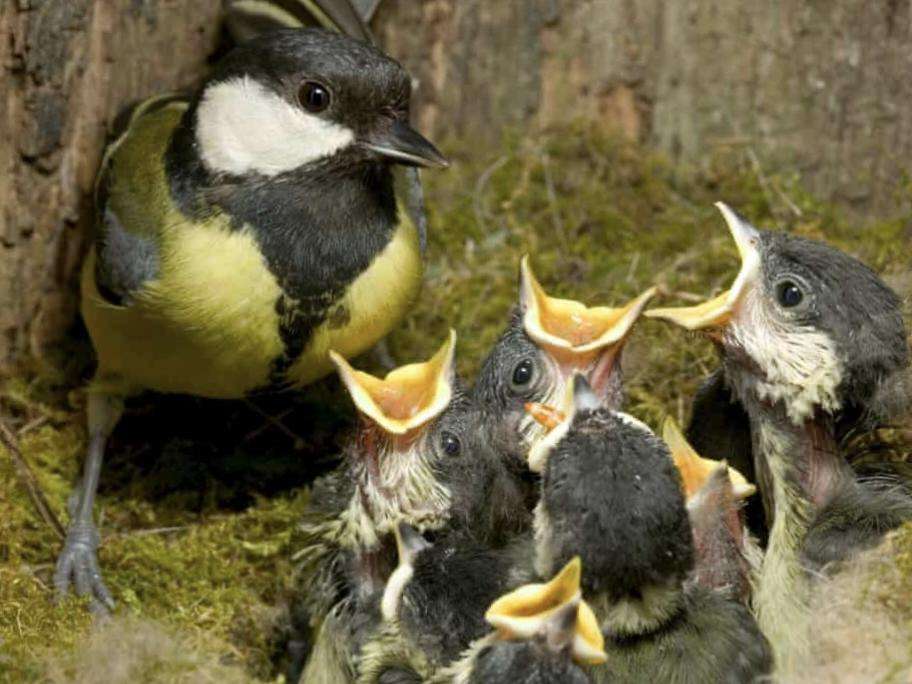
In Wytham Woods, researchers recorded the earliest egg-laying date in an 80-year study of great tits, with activity beginning on 23 March—three days ahead of the previous record. Long-term data reveals that these birds are now laying eggs around 16 days earlier than they did in the 1960s, likely to align with the earlier availability of caterpillars, their primary food source for chicks.
Similarly, Dunsford Woods reported its earliest recorded tit egg since monitoring began in 1955. Comparable shifts have also been observed in parts of northern Europe, indicating broader climate-related changes.
Experts have previously warned of “phenological mismatch,” where interconnected species fail to stay in sync due to shifting seasonal patterns. However, some observations suggest certain species may be adapting successfully to these changes.
Naturalist Matthew Oates noted unusually advanced caterpillar development, including species typically associated with midsummer such as purple emperors and silver-washed fritillaries. He remarked that some caterpillars are already larger than expected for this time of year, raising both curiosity and concern.
Butterfly activity also reflects the early spring trend. The first orange-tip butterfly—a well-known seasonal indicator—was spotted as early as 18 March, weeks ahead of historical norms. Oates himself observed one on 31 March, whereas such sightings were typically recorded around mid-April decades ago.
According to Nature’s Calendar, the average first frogspawn this year was recorded on 23 February, far earlier than the previous benchmark of 5 March. Hazel flowering began on 14 January, and blackbirds were nesting by early March—further evidence of the accelerated seasonal shift.
Weather patterns have played a significant role. A relatively warm winter, combined with one of the wettest Januaries on record and a notably mild March, has accelerated plant growth and animal activity. Despite occasional cold spells, experts suggest these fluctuations are typical for a transitional month like March.
Met Office spokesperson Grahame Madge emphasized that brief cold snaps are not unusual and that wildlife is generally resilient enough to cope with such variations.
However, climate change continues to influence species distribution. Nick Acheson highlighted a surge in early birdsong from chiffchaffs, some of which are now staying in the UK year-round instead of migrating. In contrast, the decline of the willow warbler serves as a stark reminder of how environmental changes can negatively impact certain species.
Despite concerns, many naturalists are also finding moments of optimism. Early blooms of violets, celandines, and cowslips have created vibrant landscapes, offering a striking display of seasonal beauty.
Writer Richard Mabey described this year’s spring as one of the most visually spectacular he has witnessed. He and others suggest that last summer’s heat, combined with heavy winter rainfall, may have contributed to the current abundance.
While uncertainties remain about how ecosystems will respond long-term, one thing is clear: Britain’s spring is changing—and doing so faster than ever before.