





.svg)
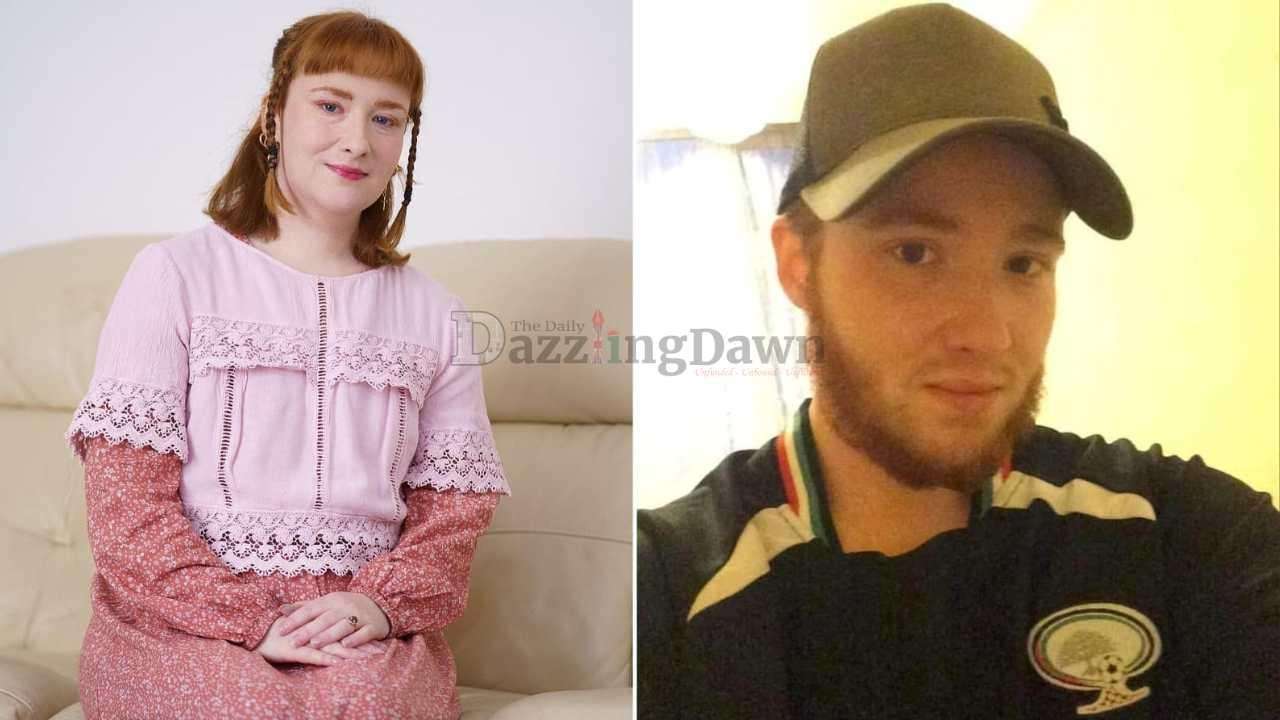
The landscape of gender identity healthcare in the United Kingdom is facing renewed scrutiny following the emergence of Aerin Bailey’s account of her 15-year medical transition, which she now identifies as a profound clinical oversight.
Bailey, 34, has detailed how a lack of diagnostic depth and a failure to identify her underlying neurodivergence led her to undergo irreversible medical procedures on the NHS. Her experience coincides with a broader national debate regarding the "affirmation-only" model of care, highlighting a growing demand for more comprehensive psychological screening.
The Diagnostic Void
The transition began when Bailey, then known as Alice, sought medical advice at age 16. Despite presenting with long-term social difficulties and anxiety—now understood to be hallmarks of her autism and ADHD—she was referred to a gender identity clinic within two months. Bailey recalls that the path to male hormones and a double mastectomy at age 22 was facilitated by just two self-reported questionnaires.
"The whole investigation into changing my gender wasn't thorough enough," Bailey told a journalist. "I was unwell with anxiety and low self-esteem at the time and nothing was picked up on. People just didn't enquire enough about my decision, so I ended up living a lie and felt miserable."
This lack of exploratory therapy meant that the social isolation she felt—common in autistic females—was viewed through the lens of gender dysphoria rather than neurodivergent social struggle.
The Intersection of Autism and Identity
Medical professionals are increasingly pointing to the high prevalence of neurodiversity among individuals seeking gender services. Research published as recently as 2023 suggests that autistic traits can often overlap with or mask gender-related distress. For Bailey, the epiphany came only after she received an autism diagnosis in 2018, followed by an ADHD diagnosis in 2025.
"I wasn't diagnosed with autism until I was 26. I struggled all through school and nobody wondered why," she explained to a journalist. "In reality, I wasn't trans. I was an autistic female struggling with the discrimination faced by women."
A Future for Informed Consent
Bailey’s decision to detransition in late 2024, which included ceasing hormone therapy and reclaiming her female identity, marks a turning point in her life. She has since recovered from an eating disorder and describes a newfound sense of confidence. However, her case raises urgent questions about the "what’s next" for NHS gender services.
Experts suggest that the future of this care must involve a "holistic assessment" model, ensuring that comorbidities like ADHD, autism, and trauma are addressed before permanent physical changes are made. Bailey is now using her platform to advocate for more rigorous questioning within the clinical process.
"If you're a woman and you feel like you don't belong, this doesn't mean you're not a woman," she told a journalist. "If you've made a transition mistake, detransition is possible."
As the NHS continues to overhaul its gender identity protocols, stories like Bailey's are becoming the catalyst for a more cautious, multi-disciplinary approach to adolescent mental health.


.jpeg)
