





.jpg)
.svg)
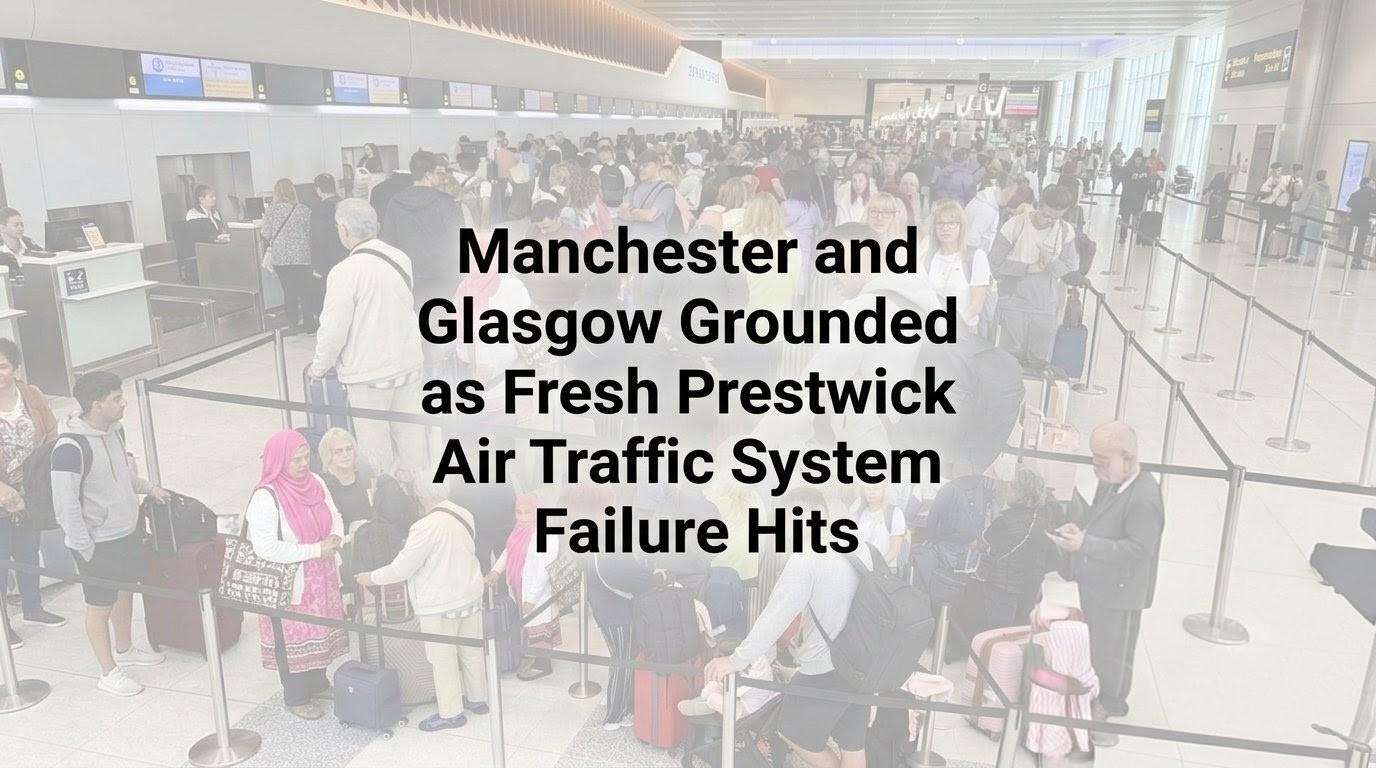
For years, travellers waited for the "post-COVID" price spike to normalise, but that correction never arrived. Instead, a new baseline was established, driven by labour shortages and fleet constraints. The current geopolitical conflict has now layered a "war premium" on top of those already elevated prices. Unlike previous fluctuations, industry analysts suggest we are witnessing a structural shift in aviation economics. The European Commission is currently drafting emergency proposals to map all refining capacity across the bloc, a move designed to prevent a total systemic failure of jet fuel supplies as reserves dwindle to a critical six-week window.
Unprecedented Surcharges and Mid-Air Price Hikes
The financial impact is being felt immediately at the checkout. Virgin Atlantic has taken the lead as the first UK carrier to implement a tiered fuel surcharge, adding up to £360 to business class fares. However, the most significant shift is occurring in the "Fair Travel" models. Some carriers, including Volotea, have introduced clauses allowing them to demand additional payments from passengers who have already fully paid for their tickets, citing extraordinary market variations. This effectively ends the era of the "guaranteed" ticket price, as airlines struggle with a market where 20 percent of the world’s oil and liquefied natural gas is currently trapped behind a naval blockade.
The Race Against Dry Tunnels
The immediate concern for the industry is no longer just the price, but the physical availability of fuel. Internal documents indicate that the EU is preparing measures to ensure existing refining capacity is "fully utilised and maintained" to avoid airports running dry by the May bank holiday. British Airways has already suspended routes to Dubai, Doha, and Tel Aviv, while low-cost giants like Ryanair and easyJet are warning of significant schedule contractions. If the blockade continues for another thirty days, the industry faces a "triage" scenario where only high-yield, essential routes remain operational, potentially doubling current ticket costs for remaining seats.
The Long Road to a "New Normal"
History suggests that while fuel prices may eventually dip if diplomacy prevails, ticket prices rarely follow the same downward trajectory. If the conflict were to resolve tomorrow, experts tell journalists that it would take a minimum of six to nine months for the supply chain to stabilise and for airlines to burn through their high-cost fuel hedges. Even then, the "normal" of 2024 is likely gone. With the IMF and World Bank describing the current instability as a fundamental threat to the global economy, the aviation sector is bracing for a future where flying returns to being a luxury service rather than a mass-market commodity.

.jpg)


.jpg)
.jpg)

.jpg)