



.svg)
A decade of silence on Overstone Road masks a psychological trauma that remains one of the most chilling chapters in Luton’s history.
The 2016 slaying of Saima Khan was a crime that transcended typical domestic violence. While often characterized as a "love triangle," the forensic evidence and court records from 2017 paint a darker picture: one of meticulous identity displacement. As we move into 2026, the case remains a landmark study in the "replacement theory"—the chilling prospect that the perpetrator sought not just to remove a rival, but to inhabit the life her sister had built.
The "Eight-Minute" Forensic Reality
The conviction of Sabah Khan rested on a digital and forensic trail that left no room for doubt. During the trial, the prosecution detailed an eight-minute window of total darkness in the family hallway. At 11:07 PM, Saima Khan was captured on CCTV entering her home; forty-five seconds later, the lights were extinguished. In that brief interval, Sabah Khan inflicted 68 stab wounds, a level of ferocity that detectives at the time described as "fueled by deep-seated hatred."
The premeditation was not limited to the night of the attack. Court records confirm Sabah spent months researching "how to hire a killer" and "poisonous snakes," eventually paying £5,000 to a fixer in Pakistan to cast a "death spell" on her sister. When the occult failed, she turned to a kitchen knife purchased from a local supermarket days prior—a weapon she hid in a bin bag alongside blood-soaked clothing and fragments of glass from a staged burglary.
A Generation Navigating the Aftermath
The four children of Saima Khan, who were mere infants and primary school pupils at the time, are now entering a new stage of life. The youngest, whose supposed cries were used by Sabah as a lure to draw Saima to her death, is now ten years old. Following the trial, it was confirmed that the children remained under the steadfast guardianship of their maternal grandparents. Growing up in the same house where the tragedy occurred, they represent a remarkable, if somber, resilience.
The Finality of the Tariff
Sabah Khan remains confined within the high-security estate, having reached the halfway mark of her minimum 22-year tariff. Legal analysts reporting for Daily Dazzling Dawn note that while she remains eligible for parole in 2039, the "extraordinary level of premeditation" cited by the judiciary makes any early release a complex legal hurdle.
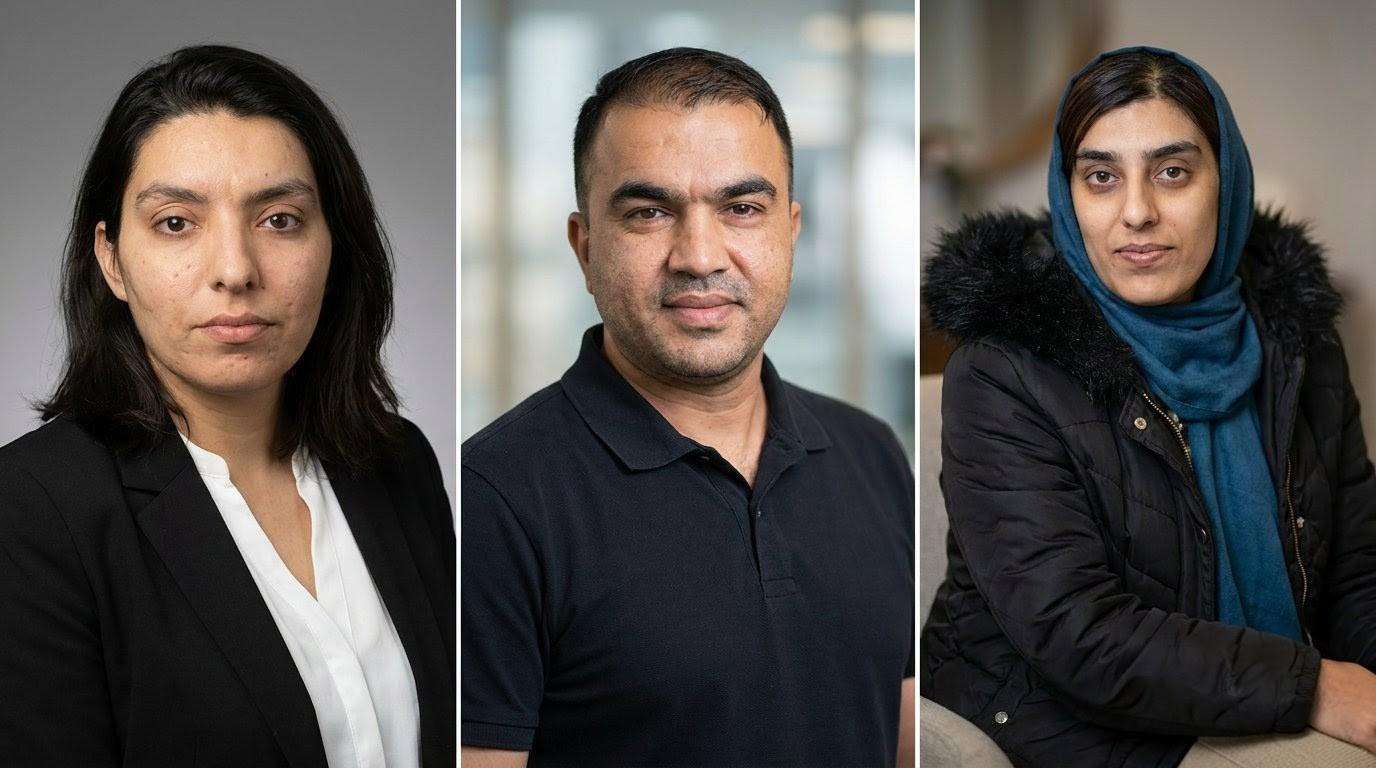
The role of Hafeez Rehman remains the most scrutinized element of the tragedy. Rehman, who admitted to a four-year affair with his sister-in-law, has largely receded from public life following his statements of regret during the trial. While his infidelity provided the catalyst for Sabah’s obsession, the legal conclusion remains that the murder was a solo act of "bitter envy."
The Threshold of Memory
For the community of Challney, the light in that hallway has never truly been turned back on. By choosing to remain in the family home, the survivors have turned a site of trauma into a fortress of memory. This choice ensures that while Saima Khan was taken, her presence in the lives of her children remains an immovable force against the sister who tried to erase her.