


.svg)
Senior figures within the Labour Party are calling for an end to ongoing leadership speculation, warning that constant discussions about replacing Keir Starmer risk alienating voters and damaging the party’s public image. As tensions rise, Downing Street has begun pushing back against claims that a leadership challenge is imminent.
Several backbench MPs have expressed frustration over what they describe as “endless drama,” arguing that voters are more concerned with effective governance than internal party conflicts. Comparisons have been drawn to the Conservatives’ frequent leadership changes in recent years, which many believe contributed to public dissatisfaction.
Even among MPs who question Starmer’s leadership, there is a sense that now may not be the right time for change. One MP noted that while doubts exist about Starmer leading the party into the next general election, the current political and global climate makes a leadership contest risky and potentially damaging.
Labour is bracing for significant losses in upcoming elections across Scotland, Wales, and local councils in England. Some projections suggest the party could lose over 1,000 council seats—an outcome that may intensify pressure on Starmer and potentially trigger a leadership challenge.
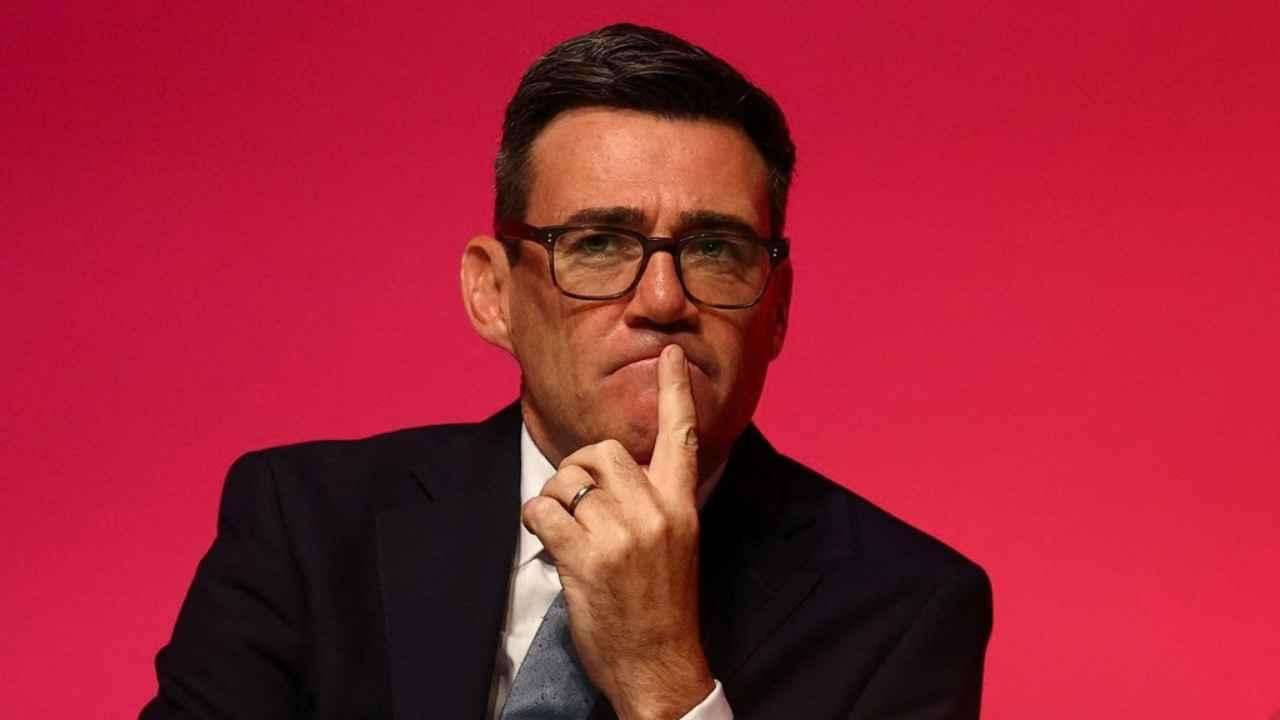
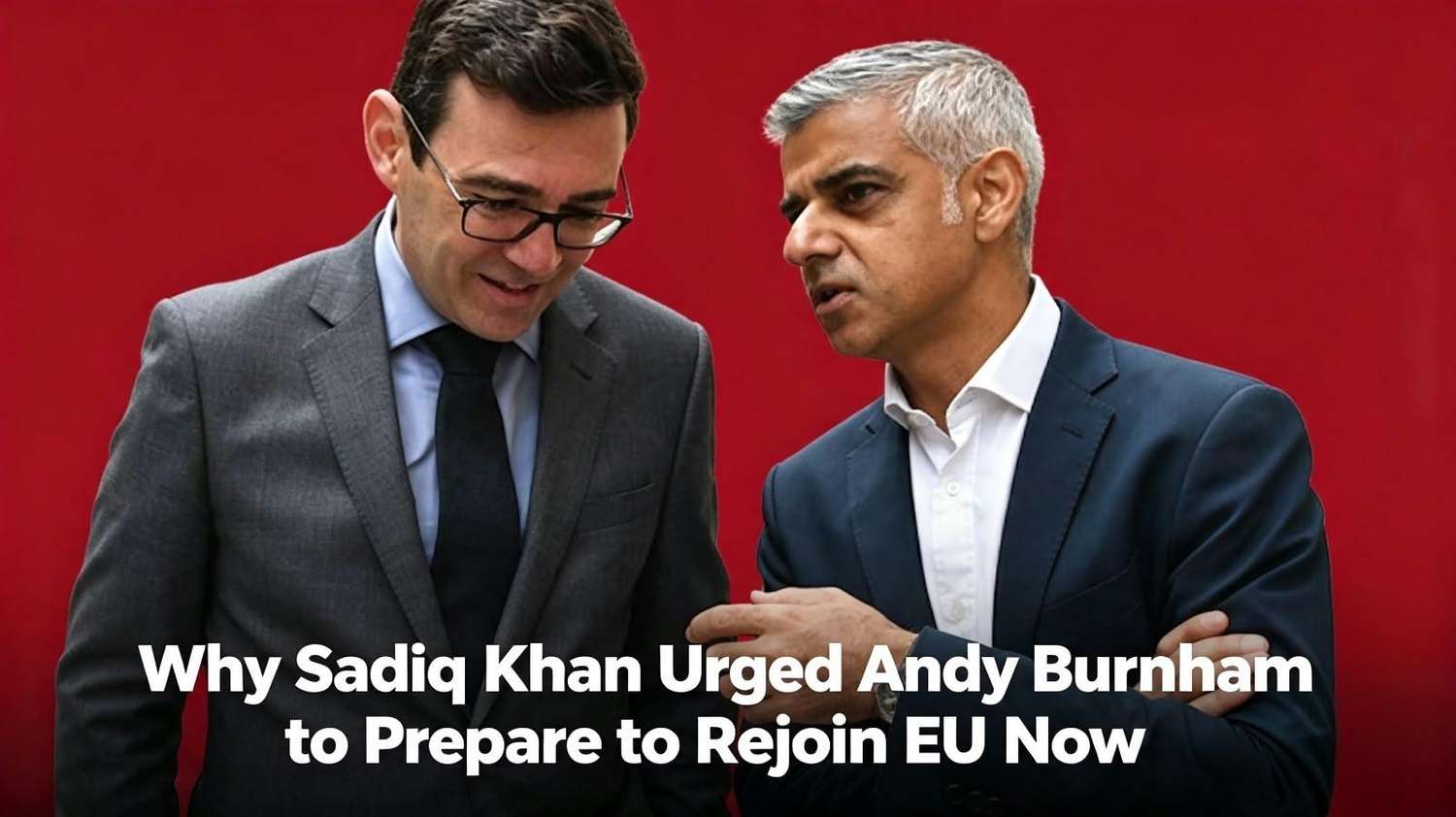
Names such as Andy Burnham have been mentioned as possible successors, though practical barriers remain. Meanwhile, Angela Rayner and Wes Streeting are seen as unlikely to make immediate moves.
Behind the scenes, factions within the party have reportedly been briefing journalists, adding to frustration among MPs who are focused on campaigning rather than internal disputes. Critics argue that the focus on personalities over policy is undermining Labour’s ability to present a clear vision to voters.
Some allies of Starmer warn that visible divisions could worsen election results, especially at a time when voters are grappling with cost-of-living pressures. Calls for unity have intensified, with party officials stressing the importance of staying focused on public concerns rather than internal rivalries.
Despite growing unease, others believe the current challenges reflect typical midterm difficulties rather than a deeper crisis. However, if losses exceed expectations, even loyal supporters may begin to reconsider their position.
Amid global uncertainty, including tensions linked to the Iran war, some MPs argue that stability is crucial. There have also been efforts to ensure continuity in economic leadership, with reassurances sought regarding Rachel Reeves remaining in her role to maintain market confidence.
Party chair Anna Turley has urged colleagues to remain resilient and avoid distractions, while Transport Secretary Heidi Alexander dismissed calls for a leadership contest, warning against repeating past political mistakes.
As Labour approaches a critical electoral test, the balance between internal debate and public unity will likely shape both its immediate performance and long-term direction.