




.svg)
Home Secretary Shabana Mahmood has confirmed that the radical restructuring of Britain’s settlement landscape is moving into its final phase, with "Earned Settlement" poised to become the new national standard.
The Decennial Threshold: A New Era of Residency
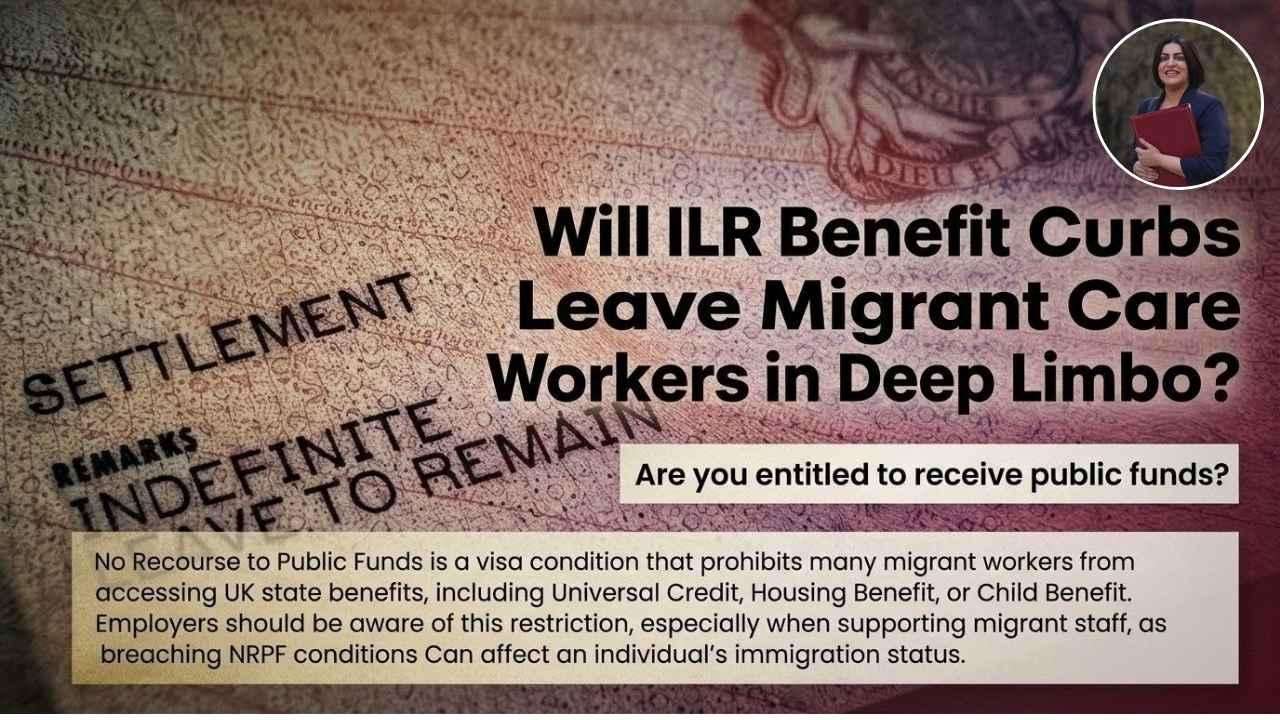
In an move that redefines the social contract for foreign nationals, the Home Office is advancing plans to transition from a time-based residency model to one defined by "active contribution." At the heart of this overhaul is the extension of the standard qualifying period for Indefinite Leave to Remain (ILR) from five years to a full decade. Under the proposals, most migrant workers will find their path to permanent residency doubled, while the threshold for those on protection routes could extend to 20 years.
This shift, which Shabana Mahmood described as essential to restoring public trust, is designed to ensure that settlement is no longer an automatic byproduct of time spent in the UK. Instead, the upcoming "Earned Settlement" framework will weigh applications against economic output, English language proficiency—now expected to rise to B2 level—and community integration. Reports suggest the final plan will be formalised by late Summer 2026, with full implementation scheduled for the Autumn.
Strategic Internal Friction and the Retrospective Debate
While the Home Secretary remains resolute, the policy has ignited a significant internal firestorm. High-ranking figures within the Labour party, including former deputy leader Angela Rayner, have reportedly expressed concerns regarding the "un-British" nature of lengthening the residency requirement. A primary point of contention remains whether these rules will apply retrospectively to those already building lives in the UK.
Speaking to journalists, sources close to the Home Office indicated that while the baseline remains 10 years, "transitional measures" are currently being drafted to prevent a total collapse of morale among existing visa holders. These concessions may include a "visa brake" or tiered thresholds, where high-earners (those exceeding £50,270) or critical public sector workers like NHS doctors may still qualify on an expedited five-year track.
The Grand Bargain: Trading Access for Control
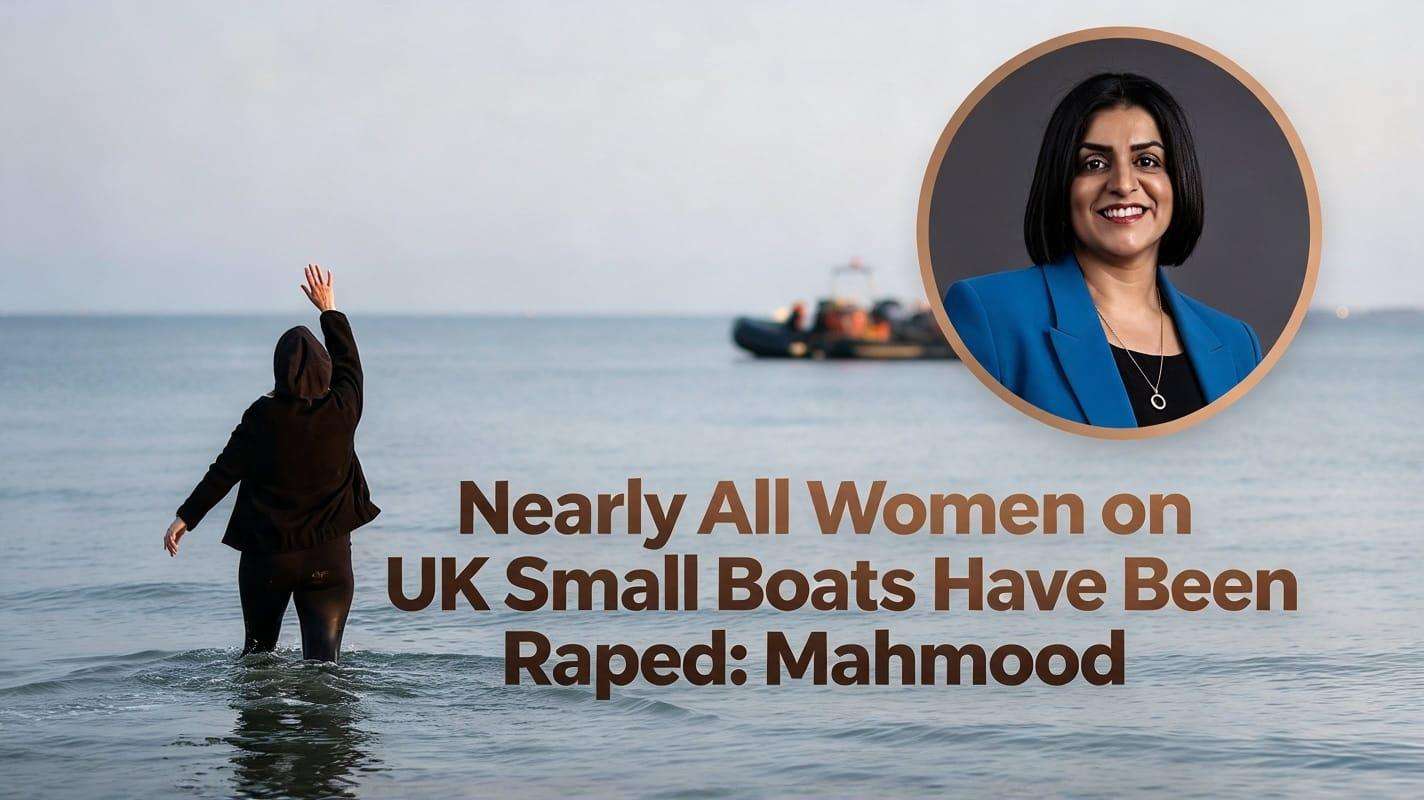
The Home Secretary’s strategy, as detailed in recent briefings, hinges on a trade-off: stricter rules for those already here in exchange for "going much bigger" on safe and legal routes. Mahmood argued that by breaking the "business model of the gangs" through rigorous enforcement, the government earns the political capital to offer more structured humanitarian paths.
As Daily Dazzling Dawn has learned, the first of these new routes—a dedicated path for displaced students to study at British universities—is slated to open for applications this Autumn, with the first arrivals expected in 2027. This will be followed by a "sponsored refugee" scheme, modeled after the Homes for Ukraine initiative, allowing community organisations to bypass the hazardous Channel crossings entirely.
What Lies Ahead: The Roadmap to Autumn
The Home Office is currently reviewing the feedback from its most recent consultation, with a final policy paper expected in June. For the thousands of migrants currently in the UK, the clock is ticking; legal experts are already advising eligible candidates to submit their ILR applications before the Autumn deadline to avoid being caught in the new 10-year net.
The tension between "decency and tolerance" and the demand for "rule-bound migration" remains the defining challenge of Mahmood’s tenure. As the government prepares to codify these changes, the message is clear: the era of the five-year path to British life is drawing to a close, replaced by a decade-long journey of proven contribution.
The Home Secretary's vision suggests that once the system is "fixed," the UK can afford to be more generous, but only within the confines of a strictly capped and state-monitored framework. For now, the migrant community and the Labour backbenchers alike await the final legal instruments that will determine who stays, who waits, and who is invited to begin a new life in Britain.