





.svg)
While the word "outbreak" understandably triggers the trauma of 2020, hantavirus and COVID-19 are vastly different biological threats. To answer simply: per person, hantavirus is significantly more lethal; however, it is much harder to catch.
The Andes strain currently affecting the MV Hondius has a staggering case fatality rate (CFR) of approximately 38% to 50%, whereas the average CFR for COVID-19 was roughly 1% to 3% before vaccines. If you contract hantavirus, the clinical danger to your life is much higher.
However, COVID-19 was "more dangerous" to society because it spread through the air like wildfire. Hantavirus typically requires direct contact with rodent waste. While this specific Andes strain is one of the few that can spread human-to-human, it usually only occurs through extremely close, prolonged contact. The World Health Organization (WHO) and UK health experts emphasize that for the general British public, the risk remains "very low."
High-Security Isolation Activated for British Returnees
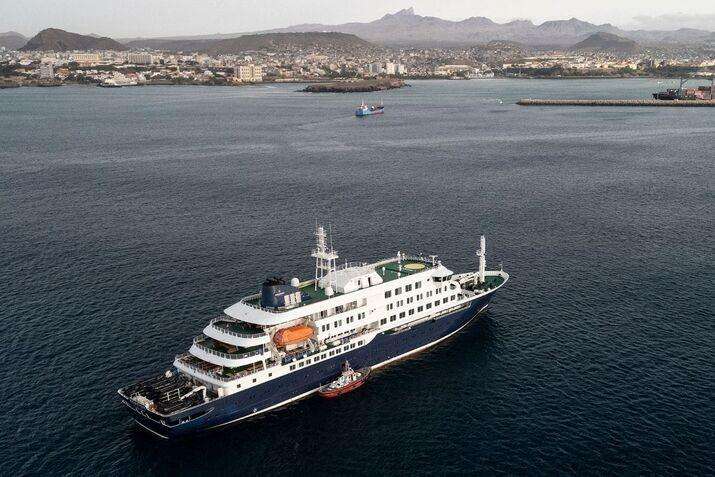
As the MV Hondius nears the industrial port of Granadilla, a high-stakes humanitarian "airbridge" is being constructed to ferry British nationals back to a familiar fortress of isolation.
In a move that mirrors the earliest days of the 2020 pandemic, the United Kingdom has confirmed that its returning citizens will not be heading home to their families. Instead, approximately 24 British passengers and crew are being diverted to the Arrowe Park Hospital site in Wirral. This specific location, which once housed the first evacuees from Wuhan, has been reactivated to serve as a sterile buffer between a lethal South American pathogen and the British mainland.
The decision to utilize the Merseyside facility followed an internal directive from Janelle Holmes, Chief Executive of the Wirral University Teaching Hospital Trust. In a communication seen by a Daily Dazzling Dawn journalist, staff were informed that the returning Britons—none of whom are currently displaying symptoms—will be housed in a dedicated, cordoned-off accommodation block. This proactive measure aims to ensure that the 42-day incubation period of the Andes hantavirus is monitored in a controlled environment, far from the risk of community transmission.
The logistics are as precise as they are restrictive. Before boarding the charter flights in Tenerife, every Briton will undergo rigorous medical screening. A journalist was told that should any individual show even the slightest sign of fever or respiratory distress, they will be barred from the flight and transferred to specialized Spanish facilities. The remaining "clean" group will travel under the escort of UK Health Security Agency (UKHSA) officials, bypass traditional airport arrivals, and be coached directly to the Wirral.
While the World Health Organization’s Director-General, Tedros Adhanom Ghebreyesus, has personaly travelled to Tenerife to reassure the public that this is "not another COVID," the medical reality aboard the ship remains grim. Three fatalities have been recorded, and at least one British doctor remains in intensive care in South Africa. The primary concern for British authorities is the Andes strain’s unique ability—rare among hantaviruses—to transmit between humans in confined spaces.
As the operation begins, the MV Hondius itself will be denied long-term docking. Once the passengers are extracted, the vessel will be escorted to the Netherlands for a forensic deep-clean. For the people of Merseyside, the return of the quarantine buses is a sobering reminder that while the era of global lockdowns may be over, the era of surgical containment has just begun.




.jpeg)