




.svg)
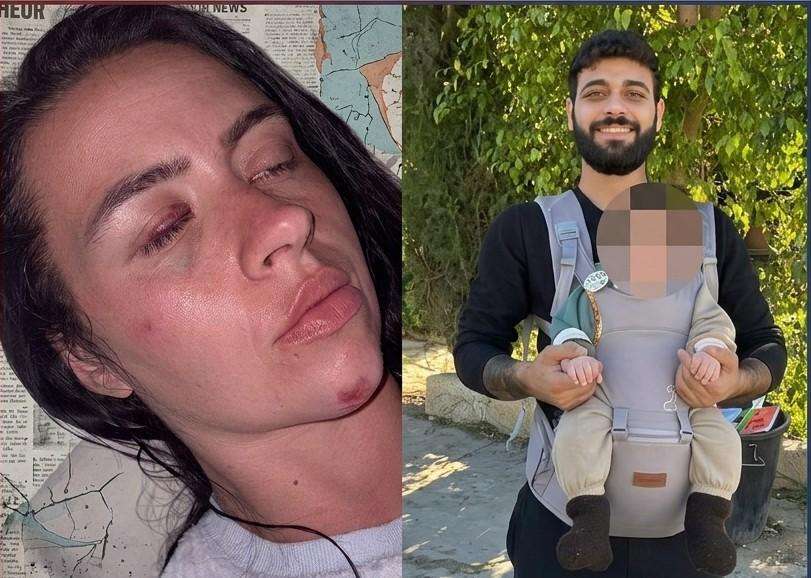
The harrowing disappearance of a two-year-old British boy, allegedly snatched by his father and smuggled across the Cyprus buffer zone, has escalated into a diplomatic and jurisdictional crisis. While the Republic of Cyprus has issued an arrest warrant for 29-year-old Ozer Ocakoglu, the toddler is currently believed to be held in Northern Cyprus—a region beyond the reach of international extradition treaties and the Hague Convention.
The victim, Chloe Martin, 35, who sustained head and ankle injuries during the confrontation at her Mandria home, has expressed profound disillusionment with the level of assistance provided by UK authorities. Speaking to a journalist, Ms Martin emphasised that both she and her son are British citizens, yet they feel abandoned by their own government in a territory where the legal landscape is notoriously opaque.
The Security Breach at the Sovereign Base
New details have emerged regarding the route taken by Ocakoglu, a Turkish national, during his flight from the Republic. Investigative leads suggest the suspect bypassed official checkpoints by navigating the "uncontrolled areas" of the Dhekelia Cantonment. This UK military base, classified as a British Overseas Territory, has become a focal point of the investigation.
Sources indicate that the suspect’s abandoned rental vehicle was discovered in Pergamos, a village situated within the Sovereign Base Area (SBA). This suggests a calculated move to exploit the lack of a physical border fence between the SBA and the north. For the Daily Dazzling Dawn, this case highlights a critical security vulnerability where the absence of a unified jurisdictional response allows suspects to vanish into the self-declared state in the north.
Diplomatic Deadlock and Religious Context
Central to the narrative is the cultural and religious friction underpinning the family dispute. It is understood that Ocakoglu, who identifies as Muslim, had previously clashed with Ms Martin over the child's upbringing and future. While the suspect has posted social media videos framing himself as a "protector" and the "boss of the family," legal experts warn that these cultural assertions often mask a history of domestic control.
The Turkish Cypriot administration, which is only recognised by Turkey, does not adhere to the Hague Convention on the Civil Aspects of International Child Abduction. This creates a legal "black hole" for British families. The UK Foreign Office’s historical reluctance to intervene in cases involving dual nationality or unrecognised territories remains a significant barrier to the child’s return.
What Happens Next?
The investigation is now shifting toward the 53-year-old accomplice currently in custody, whose testimony may reveal the child’s exact location within the north. Legal representatives for Ms Martin are calling for the Turkish Cypriot community’s vocal support to be met with administrative action.
The next 48 hours are deemed "critical" by local detectives. If the child is moved from Northern Cyprus to mainland Turkey, the chances of a swift recovery diminish significantly. Currently, the Republic of Cyprus is coordinating with the United Nations Peacekeeping Force in Cyprus (UNFICYP) to establish a communication channel with the north, though progress remains stalled by the lack of formal recognition of the northern authorities.