
.jpg)



.svg)
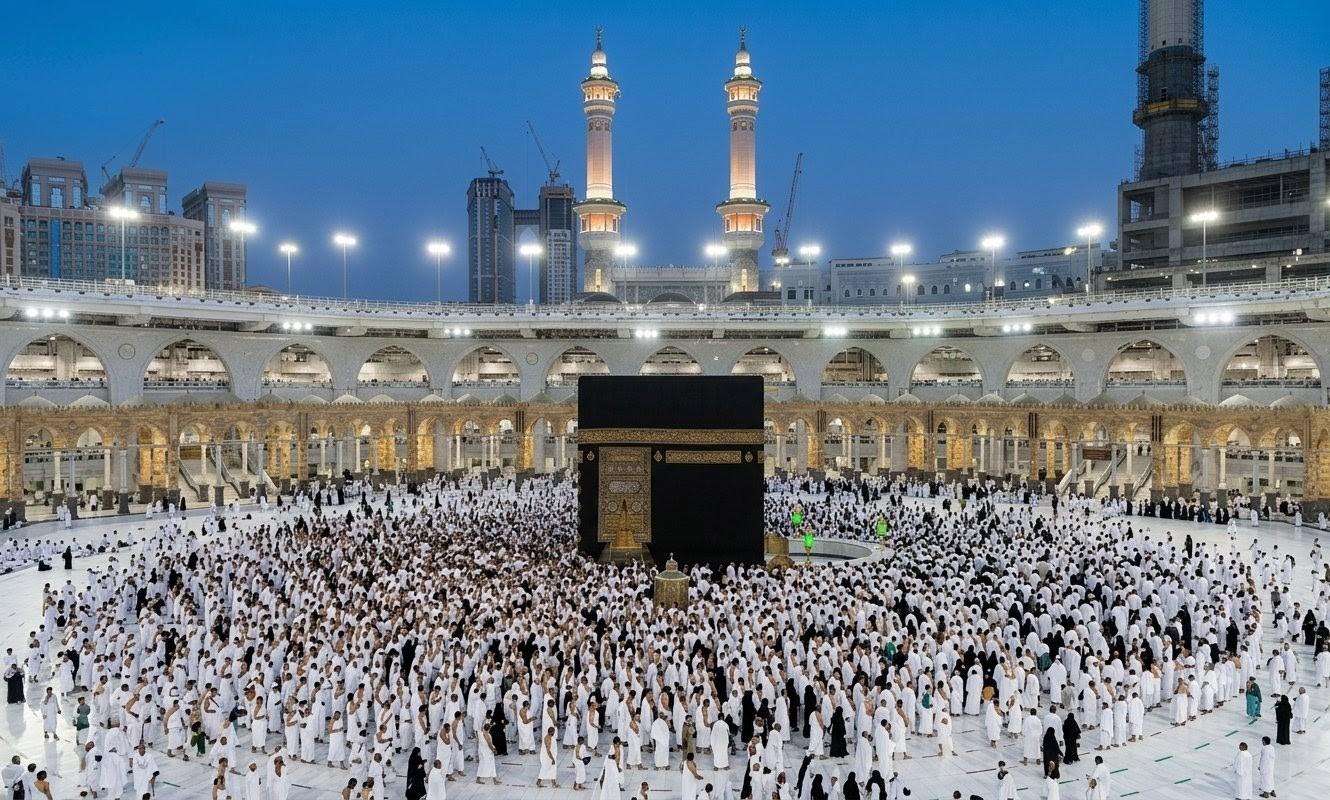
The global logistics network underpinning the Islamic world’s secondary pilgrimage has been fundamentally reset. Investigations by Daily Dazzling Dawn reveal that the newly unveiled 1448 AH Umrah calendar is not merely an announcement of administrative dates, but the activation of a highly restricted, data-driven security grid. Intelligence secured from preparatory diplomatic circulars indicates that Riyadh is moving toward an algorithmic quota system to prevent the fatal bottlenecks that historically pressured the infrastructure of the holy cities. Senior logistics operators working between London and Jeddah have confirmed to journalists that behind the official operational launch lies a sophisticated structural overhaul. The Ministry of Hajj and Umrah has spent the post-Hajj transition window linking the Nusuk digital interface directly with border control terminals, allowing authorities to dynamically throttle arrivals based on real-time population density sensors inside the Grand Mosque.
Tightening the Digital Perimeter Around the Holy Sanctuaries
The strategic timeline for the upcoming season is governed entirely by automated enforcement mechanisms. The global visa issuance activation begins on May 31, 2026, driven by an electronic portal lock release, with official sanctum access opening the following day, June 1, 2026, through Nusuk QR checkpoint activation. International operators face a strict timeline, as the absolute visa curation cut-off is set for March 9, 2027, via an automated portal shutdown. This is followed rapidly by a terminal boundary arrival deadline on March 23, 2027, which will be enforced through rigid airline boarding restrictions. The entire cycle concludes with a mandatory sovereign evacuation deadline on April 7, 2027, backed by deportation protocols and biometric blacklisting.
A technical compliance official told journalists under condition of anonymity that structural gaps in previous transit data allowed independent travellers to bypass local crowd management protocols. This year, that loophole has been closed, and international arrivals leveraging tourist e-visas are now subject to the identical digital tracking architecture as traditional package pilgrims. The strategy extends far past simple administrative oversight, deploying a multi-layered screening matrix at the major transit nodes of King Abdulaziz International Airport in Jeddah and Prince Mohammad bin Abdulaziz Airport in Medina. Border entry points will operate an automated validation loop where a passport scan lacking an active, digital Umrah permit tied to a specific time slot via the Nusuk platform will result in immediate exclusion from transport networks bound for Mecca.
Furthermore, internal policy files indicate that specific external travel agencies face stringent bond requirements to maintain their licensed status. Agencies failing to ensure their tour blocks adhere to the strict spring departure deadline risk immediate suspension of their procurement portals, transforming compliance from a matter of individual traveller responsibility into an existential business risk for global operators. Overstaying the sovereign departure deadline triggers immediate prosecution under the Kingdom's updated immigration codes, carrying a minimum statutory fine of ten thousand Saudi Riyals, administrative detention, and a mandatory ten-year ban from entering the Gulf Cooperation Council bloc.
Real-Time Border Integration and the Three-Tier API Sync
The transition of the Nusuk platform from a convenient booking tool into a mandatory enforcement mechanism marks a critical evolution in Saudi Arabia's sovereign border strategy. Behind the user-facing interface lies a unified digital ecosystem, known internally as Masar Nusuk, which bridges the Ministry of Hajj and Umrah with the Ministry of Interior’s immigration and border control systems. The seamless synchronization between a pilgrim's mobile application and a border control terminal operates across three distinct infrastructure layers.
The process begins with the pre-arrival validation loop, meaning that when a traveller applies for an eVisa or inputs their passport details into the Nusuk app, the data is pushed via a secure API to the Ministry of Interior's central immigration database, preventing a visa from transitioning to an issued status until the system confirms a matching, active profile within the network. This is followed by the port-of-entry biometric link, which instantly queries the linked databases using fingerprints and facial recognition upon arrival at sovereign entry terminals. If the passport scan shows an active tourist or Umrah visa but lacks a synchronized, valid ritual permit time-slot allocated via Nusuk, the border management system triggers a flag that prevents transit clearance toward the holy sites. Finally, cross-border data interoperability streamlines foreign departures by linking Nusuk directly with foreign state-level platforms, allowing real-time data streaming regarding pilgrim health parameters, vaccination compliance, and package verification before the aircraft even departs the origin country.
Physical Enforcement Infrastructure at the Holy Perimeters
Once inside the Kingdom, enforcement transitions from traditional document inspection to an automated, physical tracking grid across three major technological components. First, high-throughput digital scanners operating as smart readers and QR checkpoints are deployed at transport hubs and entry gates to Mecca, instantly cross-checking physical or digital Nusuk Card QR codes against live server tokens to ensure zero permit replication. Second, automated camera and sensor networks operating as crowd density sensors link directly to the Ministry's command centers, dynamically throttling the issuance of new hourly Umrah slots via the app if regional density limits are breached. Third, deep-level server routing provides zero-data local integration in partnership with Saudi telecom providers, allowing the Nusuk app to display valid operational permits and access maps even if a pilgrim lacks an active data roaming plan.
The long-term objective of this structural transition is the complete elimination of unmonitored human movement within the holy sanctuaries. Diplomatic sources suggest that by late 2026, the Ministry intends to introduce predictive AI modeling to distribute national quotas dynamically throughout the year rather than relying on fixed seasonal caps. This shift aims to smooth out the traditional spikes during the holy months, maximizing the economic footprint of religious tourism while preserving a rigid safety margin. For millions of faithful worldwide, the path to the ancient rituals must now permanently navigate the strict realities of modern border technology.