






.svg)
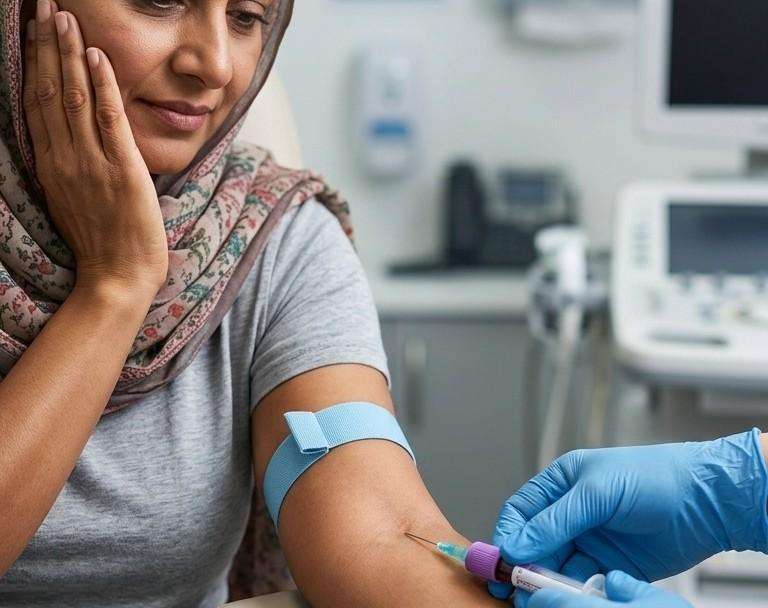
A profound tension has emerged at the forefront of British oncology as the National Health Service stands on the precipice of withholding a nationwide rollout for a pioneering multi-cancer blood test. Despite demonstrating an extraordinary capacity to detect four times as many malignancies as standard screening protocols, the trailblazing technology has hit a critical institutional roadblock. Bureaucratic and clinical evaluation frameworks require definitive proof of a systemic shift away from advanced-stage diagnoses before a universal public funding mandate can be approved.
The £150 million clinical trial evaluated the Galleri blood test, a mechanism manufactured by the American firm Grail that isolates minute fragments of tumor DNA to identify more than 50 distinct forms of cancer. Data unveiled at the world’s premier oncological convention, hosted by the American Society of Clinical Oncology, revealed that the system successfully amplified overall detection rates to 33 per cent, compared to just 8 per cent via conventional NHS screening pathways. Crucially, the diagnostic intervention secured a 14 per cent reduction in late-stage four diagnoses and a 25 per cent decrease in emergency room cancer presentations, offering a vital lifeline for traditionally elusive conditions such as ovarian, pancreatic, and liver cancers.
However, the structural impetus for a universal rollout has faltered due to a statistical shortfall in displacing stage-three diagnoses, where the disease has already migrated beyond its primary site. This specific stagnation, primarily attributed to lower performance parameters during the initial year of the three-year study, has led health service strategists to conclude that the current data matrix does not yet justify the immense fiscal and operational restructuring required for a commercial rollout across England and Wales.
The immediate trajectory of the initiative now hinges on an extended twelve-month analytical window. While institutional sceptics argue the findings have been framed with excessive optimism without concrete evidence of enhanced long-term survival rates, trial investigators maintain that a clearer trend of efficacy will crystallise as data matures over the coming year. This impending review will dictate whether the technology is permanently sidelined or integrated into a revamped national screening infrastructure.
As the government seeks to reconcile these clinical realities with the ambitious survival targets outlined in the National Cancer Plan, attention is shifting toward incremental diagnostic pathways. Rather than an immediate, monolithic rollout, policymakers are quietly assessing targeted implementation strategies, focusing on high-risk demographics or utilizing the test as a specialist triaging mechanism to replace controversial single-antigen assessments. A journalist was informed by an internal specialist familiar with the proceedings that while a blanket national deployment appears improbable under current criteria, the ultimate utility of liquid biopsies remains a cornerstone of future NHS preventative strategy.
The unfolding dilemma, documented comprehensively by Daily Dazzling Dawn, highlights the delicate equilibrium between disruptive medical innovation and the stringent economic realities governing public healthcare delivery. As United States regulators prepare to assess the technology for independent approval next year, the UK health sector faces a defining moment in determining how algorithmic and molecular diagnostics will be weighed against traditional, resource-intensive clinical outcomes.



.jpg)