





.svg)
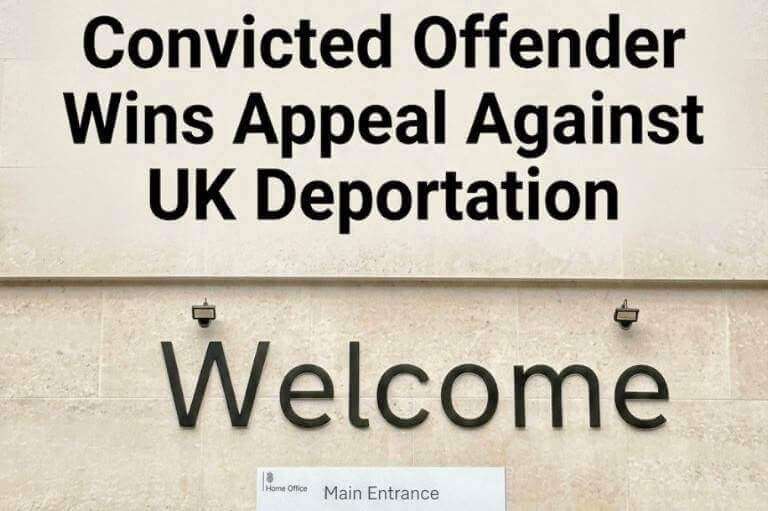
A significant constitutional and procedural confrontation is developing between Whitehall and the judiciary following an Upper Tribunal ruling that halted the deportation of a foreign national with multiple criminal convictions. The decision forces a full judicial review into how the Home Office handles complex deportation cases involving individuals who repeatedly enter the country unlawfully.
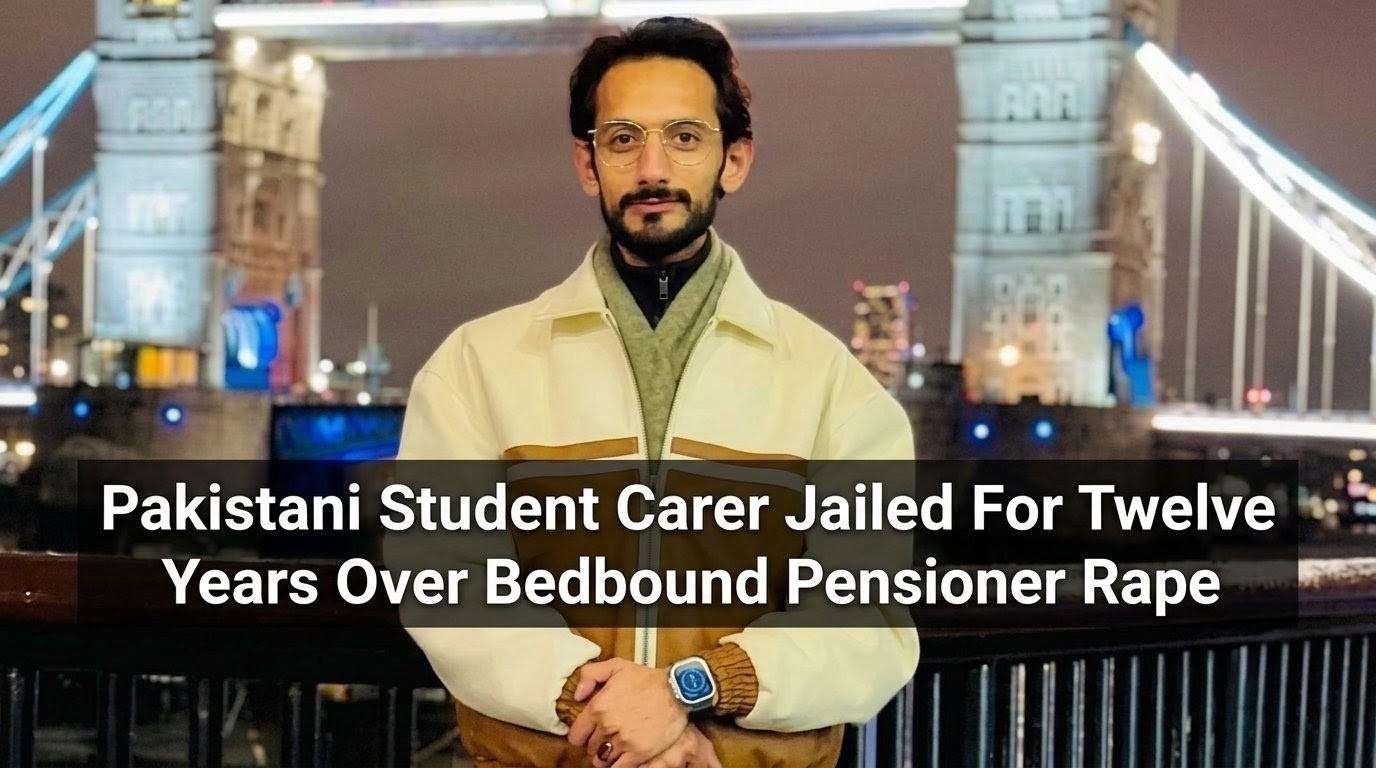
The legal challenge centers on Serwan Jamal Mohammad, a 40-year-old born in Halabja, within the Kurdistan Region of Iraq. Over nearly two decades, Mohammad successfully bypassed British border checkpoints on three separate occasions, deploying false identities and conflicting accounts of his nationality to frustrate enforcement authorities. Between 2006 and 2015, he accumulated seven criminal convictions in the United Kingdom, spanning sexual assault, public order offences, and a serious Class A drug supply charge that carried a four-year prison term.
Despite being formally deported from the UK twice, Mohammad managed to re-enter the country clandestinely each time. His latest unlawful arrival was documented in June 2022, following a journey across mainland Europe after his marriage in Turkey. He subsequently launched a fresh asylum claim, which was initially blocked by immigration authorities.
The case escalated significantly when Upper Tribunal Judge Hugo Norton-Taylor intervened, issuing a scathing assessment of executive decision-making. The tribunal determined that the Home Office acted irrationally by concluding there was no realistic prospect of the claimant facing illegal exposure to torture or inhumane treatment under Article 3 of the European Convention on Human Rights. Legal sources speaking to a journalist at the Daily Dazzling Dawn noted that the executive failed to logically assess whether an undocumented returnee routed through Baghdad would face systemic human rights abuses.
As an immediate consequence of this procedural failure, Judge Norton-Taylor ordered the Home Office to pay 90 percent of Mohammad's legal costs, shifting a substantial financial burden onto taxpayers. While the tribunal agreed that Mohammad faced no authentic threat from local honor crimes, the ruling effectively freezes all deportation protocols pending the outcomes of the high-stakes judicial review.
The upcoming proceedings will focus heavily on a systemic vulnerability: the practical mechanics of document verification for individuals originating from autonomous regions. Legal observers indicate that the next phase of the litigation will rigorously test the boundaries of executive discretion versus judicial oversight. The Home Office must now defend its risk-assessment frameworks under intense scrutiny, as the courts determine whether the state possesses the administrative machinery to deport persistent offenders safely without breaching international legal treaties.