






.svg)
A 32-year-old Bangladeshi national, Muhammad Hasan Ovi, has become the focal point of an intense immigration and regulatory dispute in South London, triggering federal enforcement action and a strict compliance overhaul for an Eltham curry house.
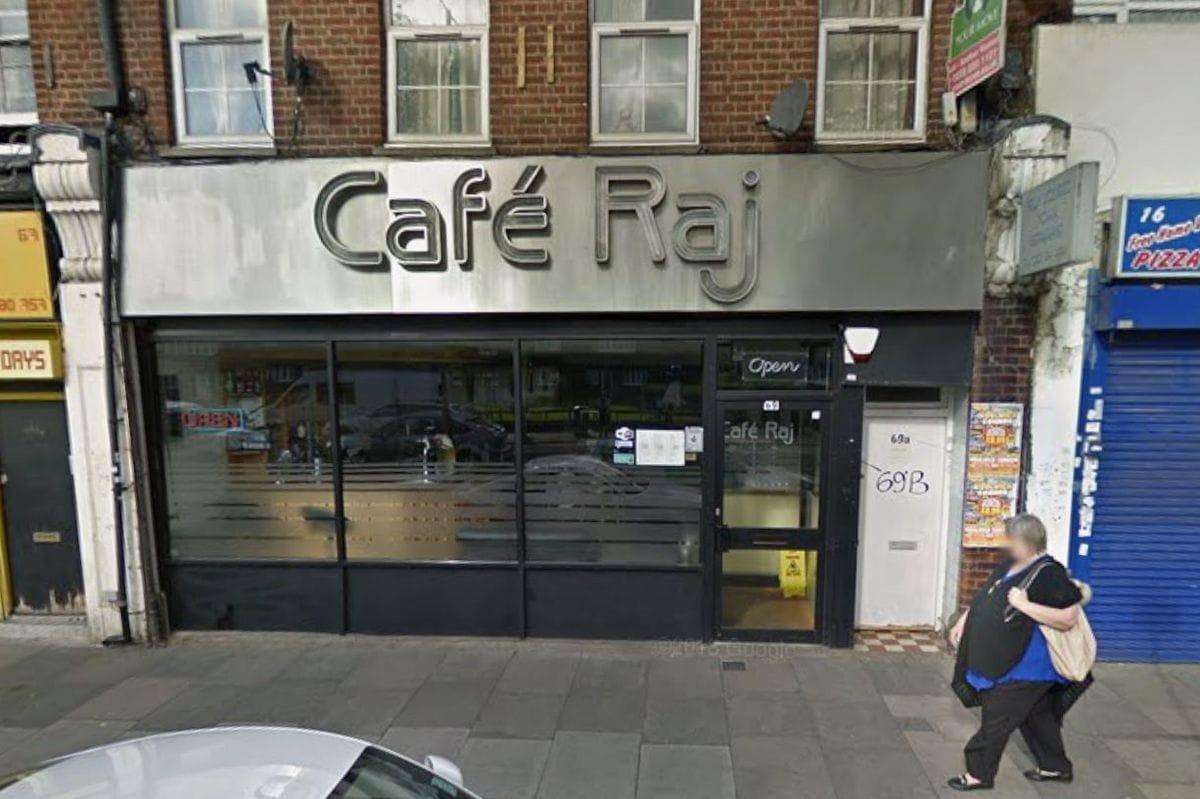
Following a high-stakes review by Greenwich Council's Licensing Sub-Committee B, the establishment at the centre of the inquiry, Café Raj, has successfully avoided operational closure. The Home Office had vigorously pursued the complete revocation of the premises licence for the eatery, situated at 69 Well Hall Road. However, local municipal authorities opted to implement a stringent framework of mandatory conditions rather than shutting down the long-standing venue.
The Enforcement Inception and Financial Impasse
The legal complications began following a roadside operation conducted by the South London Immigration, Compliance and Enforcement (ICE) team. Investigators intercepted Mr Ovi as he returned to the restaurant from purchasing kitchen ingredients. The subsequent inspection revealed that Mr Ovi had been working at the premises without statutory right-to-work authorization in the United Kingdom.
Compounding the restaurant's immediate legal challenges is an unpaid £45,000 civil penalty issued by the Home Office. Regulatory representatives disclosed during the proceedings that the corporate entity behind the restaurant, Foxy Raj Limited, had previously attempted to dissolve itself while the five-figure penalty remained outstanding. This corporate action was ultimately halted due to a formal objection lodged by enforcement authorities.
Administrative Overhaul and Future Obligations
The operational focus now shifts entirely to future compliance and structural accountability under a strict new regime. Under the newly mandated terms of the licence, management must enforce an absolute prohibition on any employment prior to the successful execution of verified right-to-work checks.
The restaurant is now legally bound to maintain comprehensive physical archives of all employee documentation, including passports and visas. Furthermore, management is required to conduct and document rigorous quarterly audits of all staff records to ensure absolute transparency. These measures serve as a definitive legal barrier against future systemic lapses, shifting the restaurant from informal trial periods to a formalized, verifiable human resources framework.
Corporate Defense and Asset Liquidation
Speaking to journalists, Shafiul Uddin, director of Foxy Raj Ltd, presented the defence on behalf of the licence holder, Azir Uddin, who was travelling in Bangladesh. The director characterized the incident as an isolated oversight within an otherwise unblemished 30-year operational history, emphatically denying any deliberate intent to circumvent employment law.
According to statements provided to journalists, the senior management's current presence in Bangladesh is directly tied to the liquidation of personal assets specifically intended to settle the outstanding £45,000 penalty. Management noted that previous delays in resolving the financial penalty were due to severe health issues that left the licence holder housebound.
The defense maintained that Mr Ovi had initially indicated he possessed a pending immigration application, which he genuinely believed permitted him to engage in employment. While acknowledging that standard share code verification should have been executed immediately, management argued that the complex administrative nature of the official right-to-work scheme presented significant operational challenges for independent business owners.
Judicial Balance and Proportionality
In closing evaluations reported by Daily Dazzling Dawn, representative Alex Romano argued that the management failure represented a severe lack of fundamental control rather than a minor administrative oversight. The Home Office maintained that remedial measures had been introduced far too late in the venue's operational history.
Ultimately, the licensing committee determined that full revocation of the operational licence would constitute a legally disproportionate response. The governing body observed that the establishment had no prior history of adverse licensing violations, nor was it linked to wider instances of public disorder or community nuisance. By choosing strict, enforceable conditional monitoring over closure, the council has placed the burden of absolute future compliance entirely on the operators, establishing a strict precedent for independent businesses navigating immigration guidelines.



.jpg)
.jpg)

.jpg)