





.svg)
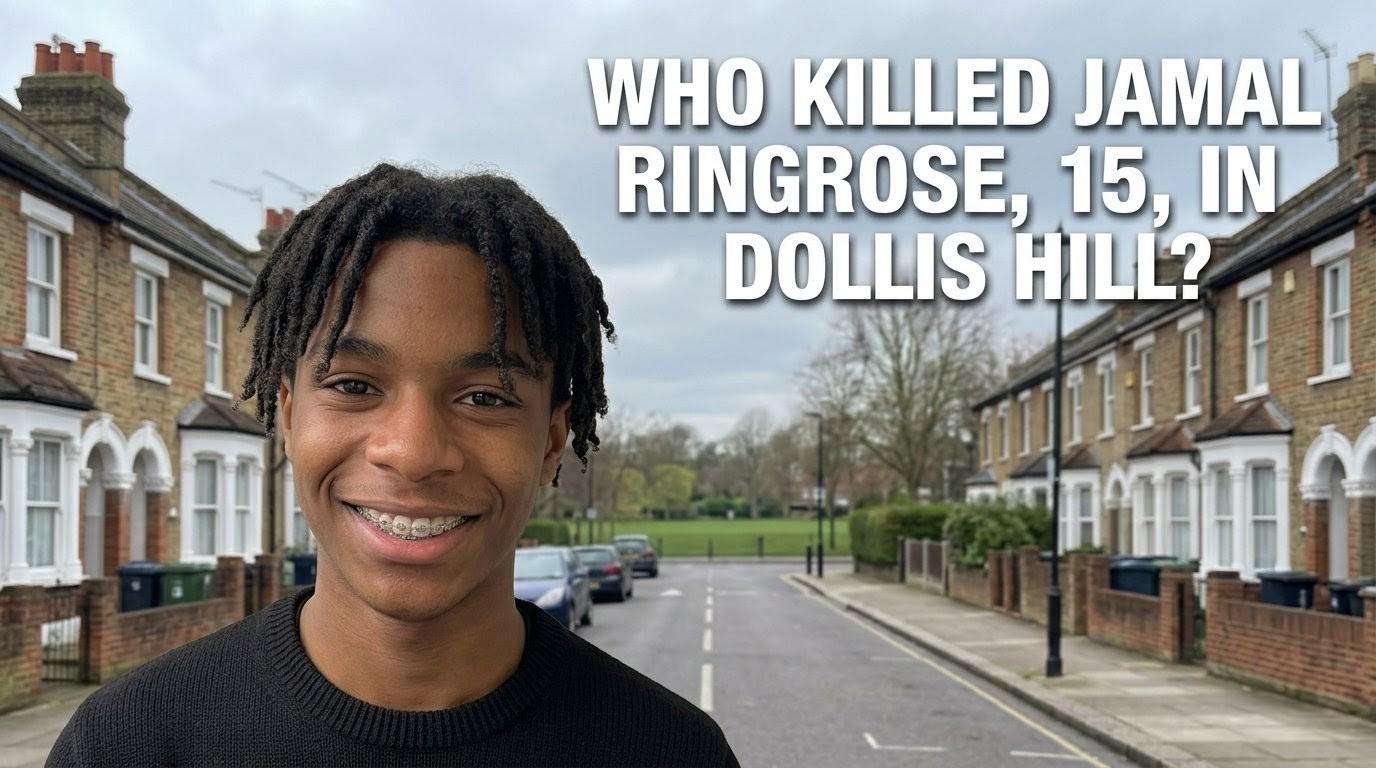
A fast-moving Metropolitan Police investigation into the fatal stabbing of 15-year-old Jamal Ringrose has escalated significantly, with a 16-year-old suspect officially charged with murder. The development marks a critical shift in the judicial timeline, moving the case from an active street investigation into the formal court system.
The suspect, whose identity remains protected by strict legal restrictions due to his minor status, was apprehended and formally processed by detectives. He was subsequently remanded in custody and faced his initial hearing at Willesden Magistrates' Court.
The case traces back to late evening on Saturday, May 30, when emergency services responded to a volatile scene on Dudden Hill Lane, near Dollis Hill. Paramedics treated Ringrose at the scene for profound puncture wounds before transferring him to a nearby trauma center. Despite prolonged medical intervention, the teenager succumbed to his injuries days later, on June 4.
Judicial Processing and the Broader Street Disruption
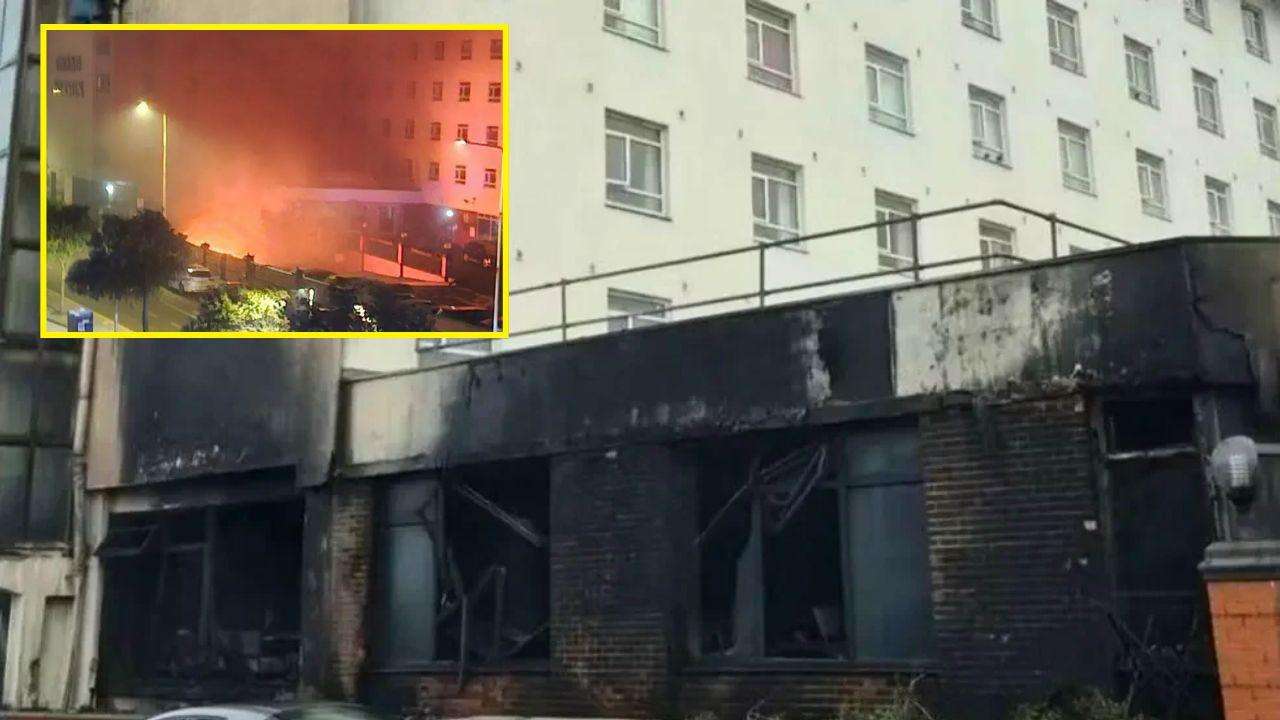
While the murder charge targets the central act of violence, detectives are systematically unravelling a much broader web of public disorder that occurred simultaneously on the night of the attack.
Court proceedings indicate that the incident was not an isolated confrontation. A total of eight additional individuals have been swept into the investigation, facing a spectrum of charges that point toward highly coordinated friction on the street.
Two teenage boys have already been charged with affray—implying a public display of fighting that threatens community safety—alongside the unlawful possession of offensive weapons. The remainder of those detained include young men aged between 17 and 28, facing allegations ranging from drug possession to active rioting. All eight have been temporarily released on bail as prosecutors evaluate the depth of their involvement.
Strict Legal Boundary and Strategic Oversight
Legal experts note that because a minor has now been charged, strict media reporting restrictions under Section 49 of the Children and Young Persons Act are actively in force. Speculation regarding individual motives, gang affiliations, or background histories is legally suppressed to protect the integrity of the upcoming trial and avoid contempt of court.
Local policing commanders have sustained high-visibility patrols in the Willesden and Dollis Hill corridors to suppress further localized friction. Tactical search powers were briefly intensified following the initial disturbance to deter reprisal incidents.
The Next Phase of the Prosecution
As the judicial process moves toward the Crown Court, specialist homicide investigators are prioritizing digital forensics. Detectives are issuing urgent appeals for high-definition mobile phone footage and dashcam recordings from vehicles passing through Dudden Hill Lane between 10:15 PM and 11:00 PM on May 30.
"Our work has led to one boy being charged with murder, and we continue to work at pace to pursue several lines of inquiry following Jamal’s tragic death," Detective Inspector Simon Ager told journalists, emphasizing that the collection of raw street data remains a priority for the prosecution.
Local commanders added that while the immediate legal architecture is securely in place, the broader objective remains the complete reassurance of the neighborhood. This investigation continues to be featured in the crime ledger of the Daily Dazzling Dawn as formal trial dates are scheduled.