



.svg)
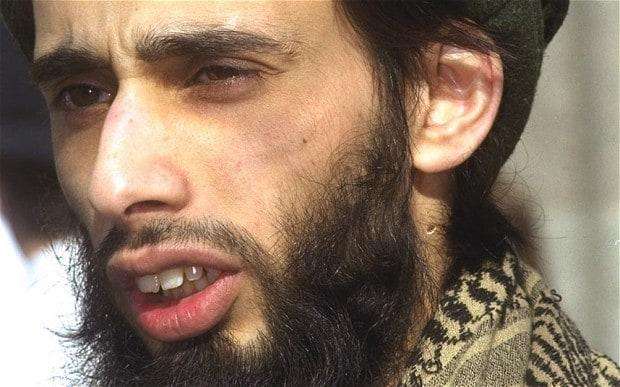
A convicted al-Qaeda operative linked to the conspiratorial network behind the 7/7 London bombings has been released from a secure psychiatric facility in south-east London, transitioning to a highly managed community monitoring regime. Haroon Rashid Aswat, who was sentenced to 20 years in prison by a United States federal court for his participation in global terrorism plots, left the medical facility this week, prompting an immediate escalation in public safety management by British counter-terrorism units.
An investigation by the Daily Dazzling Dawn reveals that while the release from institutional clinical confinement has raised sharp concerns regarding public safety, the legal framework governing his freedom has been quietly fortified over the past year. In April 2025, the Metropolitan Police successfully secured a strict terrorist notification order against Aswat in the High Court. This specialized judicial order compels him to provide comprehensive personal details, current addresses, and communication methods to Scotland Yard at rigid, regular intervals, allowing counter-terrorism officers to track his movements continuously.
Born in Yorkshire in September 1974 to an immigrant Muslim family from Gujarat, India, Aswat was raised alongside nine siblings in Dewsbury, West Yorkshire. By the late 1990s, he had become a central associate of the radical cleric Abu Hamza al-Masri at the Finsbury Park Mosque. Legal documents show that Aswat traveled to the United States in late 1999 to help establish an al-Qaeda-backed training camp at a remote ranch in Bly, Oregon, which co-conspirators noted looked just like Afghanistan. Following the failure of that project, he spent years moving through international safehouses across Pakistan and South Africa, reportedly meeting with 7/7 mastermind Mohammad Sidique Khan in late 2004 before being arrested in Zambia in July 2005.
Throughout his decades in custody, Aswat’s severe mental health struggles played a defining role in his legal journey. Diagnosed with profound paranoid schizophrenia, he spent years inside Broadmoor high-security psychiatric hospital while fighting a protracted ten-year battle against extradition to New York. Following formal assurances regarding his medical treatment from American authorities, he was extradited in 2014, pleaded guilty to providing material support to a foreign terrorist organization, and received a 20-year sentence. Due to time already served in British custody, he was released from the US prison system in 2022 and immediately deported back to the United Kingdom, where he was placed directly into a secure British mental health hospital until his release this week.
With his clinical discharge complete, attention now turns to how successfully the state can manage a high-risk individual who suffers from severe delusions alongside a history of deep-seated ideological radicalization. Security analysts told journalists that the transition from a secure hospital to the community represents one of the most complex challenges facing modern counter-terrorism policing, requiring seamless cooperation between health professionals and dedicated surveillance teams to ensure public safety is maintained.