






.svg)
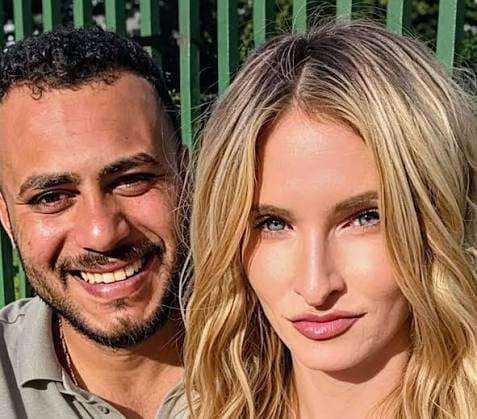
The international manhunt for the suspect in the Killarney homicide of American national Jamey Carney has shifted toward the complex tribal territories of Jordan, raising profound questions over whether Irish authorities can successfully secure an arrest and repatriation.
The Diplomatic Impasse
Investigating officers believe that 28-year-old Ahmad Al-Saqar fled Ireland within a twelve-hour window following the death of the 43-year-old mother of one. Having outrun an international border alert by boarding a 3:00 AM bus from County Kerry to Dublin Airport and flying directly to Istanbul, the Jordanian national is now thought to have sought refuge within his native country’s remote tribal regions. This development presents a formidable challenge to An Garda Síochána. Ireland currently shares no formal bilateral extradition treaty with the Hashemite Kingdom of Jordan. Furthermore, Jordanian constitutional law traditionally prohibits the extradition of its own citizens to foreign jurisdictions, meaning any potential path to justice will rely heavily on complex diplomatic interventions, international comity, or the rare option of extraterritorial prosecution within Jordanian courts.
Systemic Oversight and Financial Anomalies
As the investigation intensifies, significant scrutiny has turned toward the administrative mechanisms that allowed Al-Saqar to remain in Ireland. He arrived in the state in 2024 via the United Kingdom and Northern Ireland, settling in state-run accommodation in Killarney. Although immigration authorities subsequently rejected his application for asylum, he remained in the country legally pending the outcome of an active appeals process. Crucially, because his passport had been returned to him or remained in his possession during this period, he retained the documentation necessary to purchase an international flight before the discovery of Carney's body by her 13-year-old daughter.
Sources close to the victim have disclosed to journalists that the relationship had grown increasingly complicated in the days preceding the tragedy. The couple, who had previously solemnized their relationship through an Islamic marriage ceremony, were active in local advocacy circles. However, a close confidant revealed to journalists that Al-Saqar had urgently requested a substantial sum of $5,700 from Carney just one week before her death. Detectives are currently analyzing this financial transaction alongside his digital footprint to determine if the funds were utilized to finance his immediate departure from the jurisdiction.
With the United States State Department actively providing consular assistance to Carney’s family due to her American citizenship, pressure is mounting on Irish authorities to bypass the lack of an extradition treaty through high-level diplomatic channels. Legal experts speaking to Daily Dazzling Dawn indicate that Interpol red notices have been distributed, but execution within sovereign tribal regions remains entirely dependent on local Jordanian law enforcement cooperation. If standard repatriation proves impossible, Irish prosecutors may be forced to compile evidence for a formal case submission to Jordan's judiciary to seek a trial under local statutes governing homicides committed abroad.