_1.jpg)






.svg)
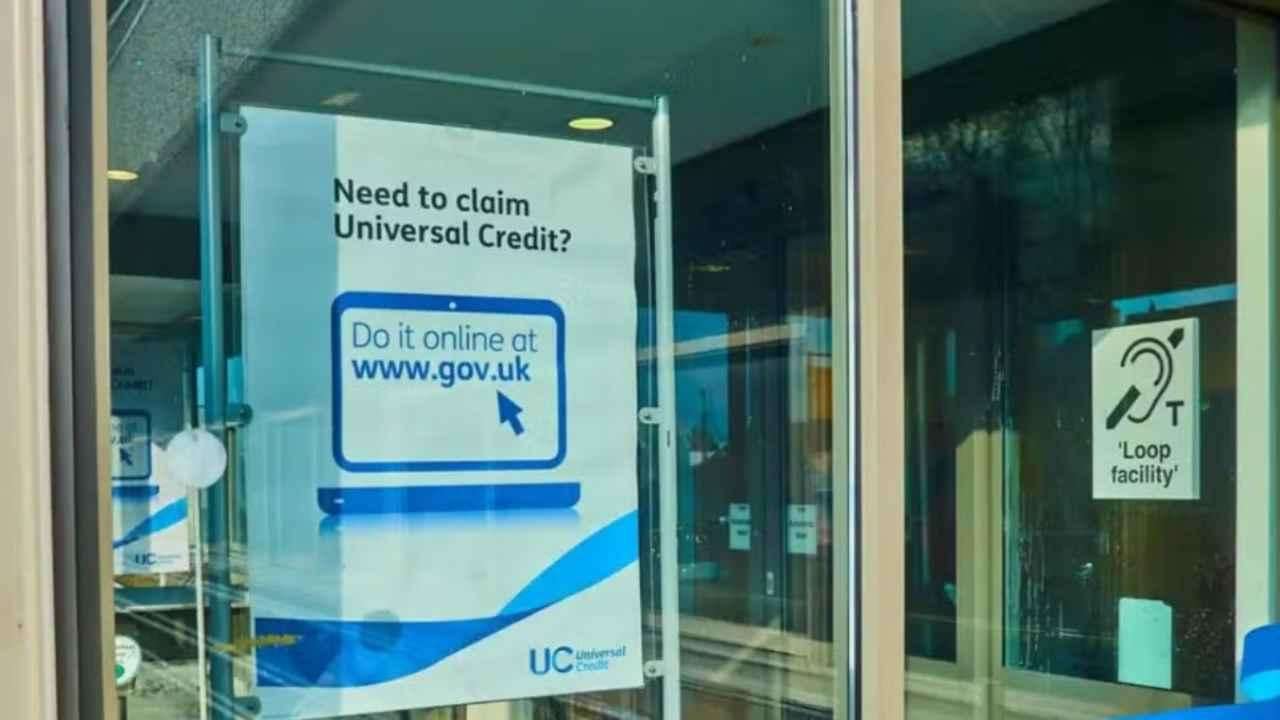
Millions of people receiving Universal Credit could be entitled to a range of additional financial support measures this August, according to guidance from the Department for Work and Pensions (DWP).
While Universal Credit is designed to help people with their everyday living costs, many claimants may not realise they can also access a variety of discounts, grants and free services that could significantly reduce household expenses.
Universal Credit is a means-tested benefit for working-age people on low incomes, unemployed individuals, carers, and those unable to work due to health conditions. Payments are assessed at the household level, meaning the income and savings of both partners are taken into account.
Alongside monthly benefit payments, eligible households may be able to access the following forms of support:
Council Tax Reductions
Many local authorities offer Council Tax Reduction schemes for residents on low incomes or receiving certain benefits. Depending on individual circumstances, some households may qualify for substantial discounts or even have their council tax bills reduced to zero.
The average Band D council tax charge in England for the 2026–27 financial year is £2,392. For households struggling with rising living costs, a reduction could provide significant savings. Applications are handled through local councils.
Discounted Broadband and Mobile Services
People claiming Universal Credit may qualify for special low-cost broadband and phone packages known as social tariffs. Several major providers offer reduced-price services to help households stay connected while keeping costs down.
Some providers also include discounted landline call packages for eligible customers. These social tariffs are generally available to those receiving Universal Credit and certain other income-related benefits.
School Uniform Grants
Families with school-age children may be able to receive financial assistance towards the cost of school uniforms. The amount available varies between local authorities, with some councils offering grants that can help ease back-to-school expenses.
Parents are encouraged to check their local council's eligibility rules and application process.
Energy Bill Support and Grants
Several energy suppliers and charitable organisations offer assistance to households facing difficulties with energy costs. Some schemes provide grants to help clear energy debt or contribute towards outstanding bills.
One of the best-known programmes is administered through an independent energy trust, which can provide grants worth up to £2,000 for eligible applicants experiencing financial hardship.
Free Prescriptions
Certain Universal Credit claimants may qualify for free NHS prescriptions if their earnings fall below the relevant income thresholds. This support can be especially valuable for people who require regular medication for ongoing health conditions.
Prescription charges in England currently cost £9.90 per item, meaning those eligible for free prescriptions can make substantial savings over the course of a year.
Free NHS Dental Treatment
Some Universal Credit recipients may also be entitled to free NHS dental care, including examinations, preventive treatments and essential dental work.
Eligibility depends on household income and personal circumstances. Those who qualify can avoid NHS dental charges, which can range from basic treatment costs to several hundred pounds for more complex procedures.
Additional Support Available
The DWP encourages claimants to explore all available forms of assistance, as many support schemes are administered locally or through separate organisations. In addition to Universal Credit payments, these discounts and grants could help reduce the financial pressure faced by households during the ongoing cost-of-living challenges.
Claimants are advised to check eligibility requirements carefully and contact their local council, energy supplier, healthcare provider or service provider for the latest information on available support.