



.svg)
Leaked communications from inside Syria’s al-Roj detention facility have exposed alleged plans by Shamima Begum and an associate to pay people smugglers to secure an escape across the border into Türkiye.
The developments indicate that Begum, now 26, is attempting to reach foreign diplomatic outposts in a bid to force British authorities into an institutional response. The revelations have reignited fierce debates across Parliament, public institutions, and local communities in East London over whether the former Islamic State recruit can ever legally or physically set foot in the United Kingdom again.
Encrypted Messages Expose Exit Strategy
Text messages allegedly sent from inside the Syrian camp outline a scheme to bribe fixers and smugglers using coded financial requests. In the exchanges, thousands of US dollars were referred to under the moniker "gummies," while British pounds were dubbed "mints." The communications suggest an intention to travel covertly to Türkiye, access diplomatic premises, and demand repatriation or transit back to Britain.
Daily Dazzling Dawn understands that independent observers and journalists who have maintained contact with detainees at al-Roj view the plan as an attempt born out of growing desperation following successive legal defeats. Legal experts note that reaching an embassy in Türkiye would not automatically restore Begum’s revoked citizenship, nor would it compel the Home Office to issue travel documentation.
The Core Legal Battle: Child Trafficking and the Canadian Connection
The primary thrust of Begum's legal strategy centres on arguments that she was a victim of child trafficking. Her legal team has repeatedly presented evidence alleging she was recruited, transported, and harboured for sexual exploitation and marriage to an adult male while still a minor. A core contention raised against the Home Office is that officials failed to investigate whether she was a trafficked child before executing the citizenship deprivation order.
Further complicating the geopolitical narrative is the intelligence network surrounding her departure from London in 2015. It was previously revealed that the operative who facilitated the entry of Begum and her two Bethnal Green schoolmates into Syria was allegedly acting as an asset for Canadian intelligence, introducing an element of foreign espionage to her initial transit.
Political Stance and Comparative Context
The political response in the UK remains firmly aligned with national security priorities. Current Labour Home Secretary Shabana Mahmood has maintained a commitment to robustly defend the citizenship revocation against ongoing challenges before international tribunals, including the European Court of Human Rights. Public sentiment mirrors this stance: while roughly 37% of Britons generally oppose rendering an individual stateless in principle, polling indicates that up to 68% of the public support withdrawing citizenship in Begum's specific case.
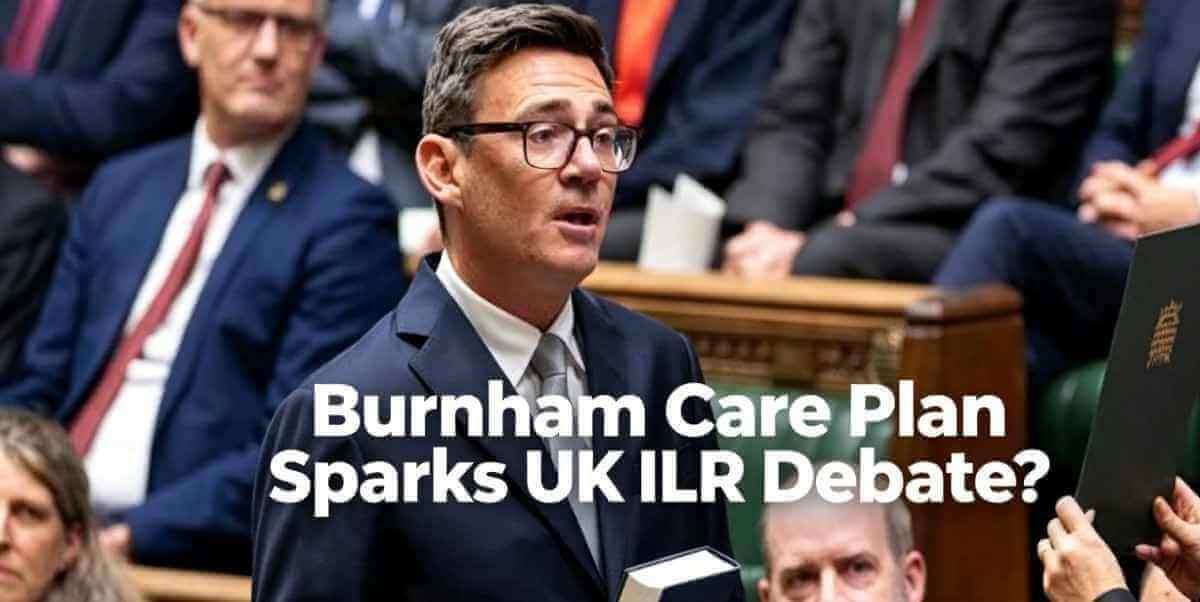
Regional leaders, including Mayor of Greater Manchester Andy Burnham, have previously reflected on the wider governance implications of the issue. While political figures acknowledge that public sympathy for individuals linked to hostile foreign groups remains non-existent, broader debates persist regarding whether exiling British-born nationals shifts security responsibilities onto foreign jurisdictions rather than managing them within the domestic judicial framework.
Begum’s legal representatives have frequently pointed to international precedent, arguing that the UK stands virtually alone among Western allies. Countries including France, Germany, Belgium, the United States, Canada, and Australia have repatriated various nationals and their children from Syrian camps to face domestic judicial oversight, rendering the UK’s absolute exclusion approach an outlier.
Community Sentiments in Tower Hamlets and Bethnal Green
In Bethnal Green and the wider London Borough of Tower Hamlets—where Begum was raised—reactions among British Bangladeshi women and local community groups remain deeply complex.
Many residents and advocacy groups highlight the systemic online grooming and exploitation that targeted schoolgirls from the area. For these groups, stripping birthright citizenship sets a concerning precedent for British minority communities. Conversely, other local voices express frustration over the ongoing association of their neighborhood with foreign extremism, maintaining that participation in hostile networks must carry severe consequences. Statements from her extended family have historically reflected this painful divide, condemning her decision to join Islamic State while pointing to the online radicalisation that targeted her as a minor.
Can She Actually Return to the UK?
From a legal standpoint, the prospects of Shamima Begum returning to the UK remain extremely slim.
- Citizenship Deprivation: The Home Office revoked her British citizenship in February 2019. Subsequent legal challenges before the Special Immigration Appeals Commission (SIAC) and the Court of Appeal were dismissed, and her bid to take the appeal to the UK Supreme Court was formally rejected in August 2024.
- The Statelessness Loophole: UK courts accepted the government's position that stripping her nationality does not technically render her stateless under domestic law. The legal framework relies on the premise that she holds a derivative claim to Bangladeshi citizenship by descent. Authorities in Dhaka vehemently reject this, confirming she is not a citizen, has never held Bangladeshi documentation, and would face capital punishment under national anti-terrorism laws if she attempted to enter the country.
- Physical Constraints: Even if she manages to flee the al-Roj camp via illicit smuggling routes, entering Türkiye illegally risks swift interception and detention by Turkish military forces rather than diplomatic processing.
Unless an international legal ruling forces a structural policy pivot from the UK government, Begum remains locked in indefinite exile outside the country of her birth.