





.svg)
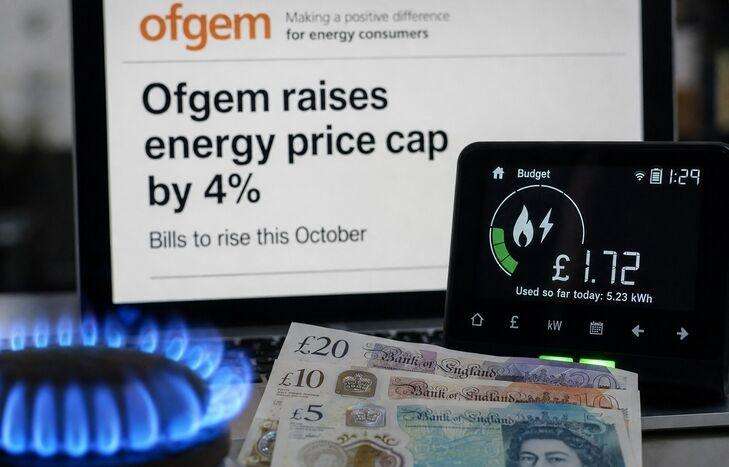
Millions of households across England, Wales and Scotland will face higher energy bills from October after the energy regulator Ofgem raised its price cap by 4%, taking the annual cost for a typical dual-fuel household to £1,723.
The increase, driven largely by higher wholesale gas prices, will add around £60 a year, or £5 a month, to bills for households using Ofgem’s newly defined typical level of energy consumption. The rise comes as temperatures begin to fall and households prepare for increased heating use during the winter.
Around 22 million households remain on tariffs affected by the price cap, while approximately 11 million, or 35% of households, are now protected by fixed-rate deals whose prices will not change as a result of the October adjustment.
Ofgem said international gas prices remain a major factor behind rising domestic energy costs. Wholesale energy accounts for just over a third of a typical dual-fuel bill, meaning movements in global gas markets continue to have a substantial effect on household finances in Britain.
Energy UK, the trade association representing energy suppliers, said the average wholesale price of gas had been 61% higher over the three months preceding the announcement than during late 2025.
The latest increase means households are still paying substantially more for energy than before the crisis triggered by Russia’s full-scale invasion of Ukraine in 2022. Industry data indicates that average bills remain about 70% above the pre-crisis norm.
Ofgem has also revised the level of annual energy use it considers typical. The regulator now estimates annual consumption at 9,500 kilowatt hours of gas and 2,500 kilowatt hours of electricity, reflecting reductions in household consumption and improvements in energy efficiency.
The £1,723 figure is therefore not a maximum annual bill. Ofgem’s price cap limits the amount suppliers can charge per unit of gas and electricity and for standing charges. A household’s actual bill will depend on how much energy it consumes.
Ofgem Director General for Markets Neil Kenward said high international gas prices were continuing to influence energy costs across the UK.
Kenward also welcomed the Government’s decision to remove VAT from electricity bills in October, saying customers would otherwise have faced higher costs during the winter.
Ofgem has indicated that some fixed tariffs are available at £100 or more below the October price cap, potentially offering savings for households willing to lock in their rates.
The growing number of households choosing fixed deals marks a significant change in the energy market following years of volatile prices. Around 35% of households are now on fixed tariffs, reducing the immediate impact of the October cap increase for those customers.
However, households on standard variable tariffs will remain exposed to changes in the price cap.
The latest increase comes amid growing concern over household energy debt.
Energy UK estimates that total unpaid energy debt has risen to approximately £6bn and could reach £7bn by the end of 2026. The organisation estimates that the average billpayer in debt who does not have a payment plan owes around £3,500.
Debt charity StepChange has also reported rising levels of energy-related financial pressure. Vanessa Northam, the charity’s director, said people seeking help were increasingly carrying substantial energy debts alongside other financial commitments.
The organisation has joined calls for the Government to introduce a social tariff designed to reduce energy costs for households most at risk of financial hardship.
Energy suppliers have also urged ministers to provide additional assistance as households prepare for another winter of elevated energy costs.
The effect of rising bills is already influencing household decisions.
Dana Lazarevic, a lecturer and single mother living in Leeds, told BBC News that she carefully plans when to use appliances to take advantage of cheaper energy periods offered by her supplier.
She said that while her household was not at breaking point, the cost of essentials had forced her to restrict some activities for her children.
Jenny Wilson, from Winsford in Cheshire, similarly described the pressure created by high energy costs and said families would once again have to manage their spending carefully as winter approaches.
Her comments reflect a wider concern among households that the latest increase could make heating more difficult to afford once colder weather arrives.
Daily Dazzling Dawn understands that the pressure is particularly significant for households already carrying energy debt, as higher unit prices can increase the difficulty of clearing existing arrears while meeting current consumption costs.
The outlook could become more challenging at the beginning of 2027.
Energy consultancy Cornwall Insight has forecast that domestic energy prices could rise by a further 9% in the new year, although future price-cap movements will depend on wholesale market conditions and Ofgem’s calculations.
Such a rise would put additional pressure on households during one of the coldest periods of the year, when gas and electricity consumption typically increases because of heating and lighting demand.
The Government has said VAT will be removed from electricity bills in October, including for customers on fixed tariffs. Energy Secretary Miatta Fahnbulleh said ministers would continue considering measures to protect families from unaffordable bills.
For households concerned about meeting their payments, debt advisers recommend reviewing income and expenditure, checking meter readings and contacting suppliers before arrears become unmanageable.
Energy suppliers operate a range of support schemes for customers experiencing financial difficulty. Energy UK has published information on available assistance, although customers generally need to contact their supplier directly to establish which support is available to them.
With millions of households facing higher prices from October and energy debt continuing to grow, the coming winter is likely to remain a significant test for household finances across Britain.