





.svg)
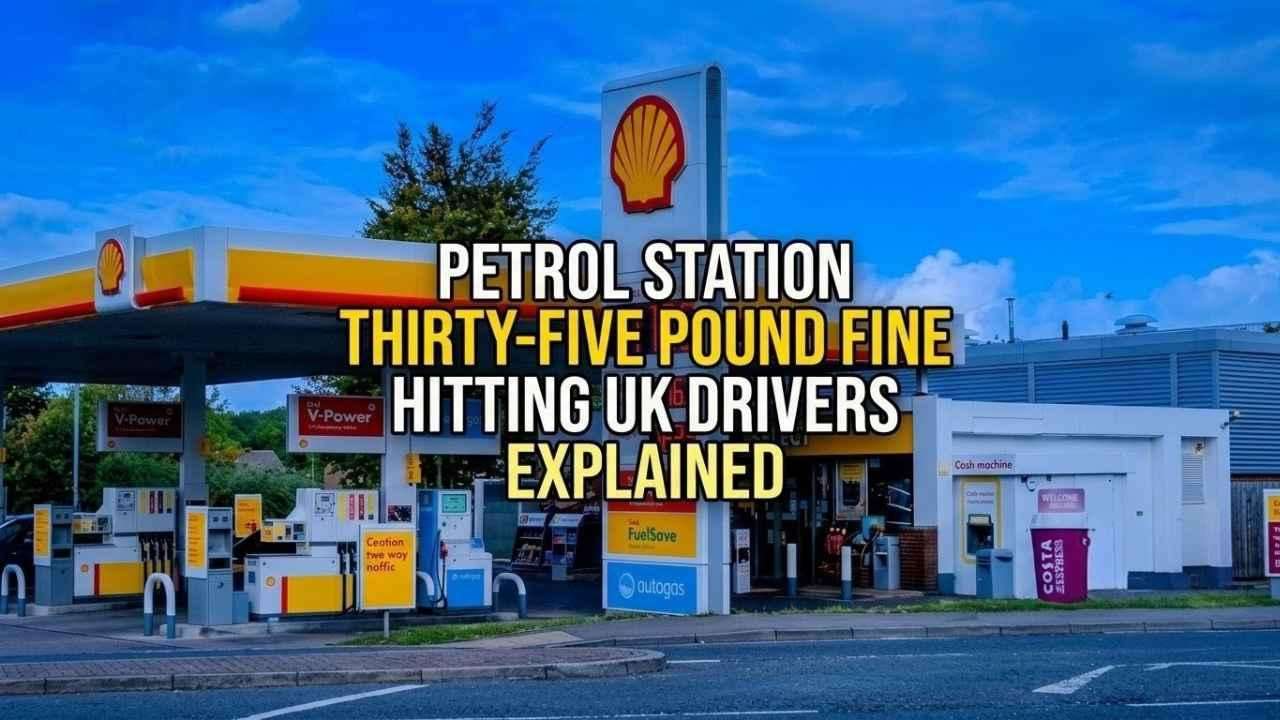
Thousands of British motorists are receiving thirty-five pound administrative charge notices through the post after routine fuel purchases failed at supermarket checkout terminals. Drivers across the United Kingdom, particularly those patronising Tesco petrol filling stations, are reporting unexpected penalty letters from third-party recovery contractor Forecourt Eye accusing them of driving off without paying. The civil recovery process is triggered within days of an uncompleted transaction, transforming ordinary till oversights and unrecognised contactless card failures into formal recovery demands backed by warnings of credit reference blacklisting, debt collector intervention, and nationwide petrol pump bans.
The automated enforcement cycle relies on high-resolution automatic number plate recognition cameras integrated with point-of-sale till architecture. When a driver dispenses fuel at a pump, the transaction remains open until cleared by the central checkout counter. If a cashier mistakenly charges only for in-store convenience items or fails to notice a declined contactless payment, the till reconciles the discrepancy at the end of the shift as an unpaid departure. Retailers then transmit the automated footage and vehicle registration mark directly to third-party recovery operators like Forecourt Eye.
Under Driver and Vehicle Licensing Agency regulations, accredited trade associations permit registered debt recovery agencies to request registered keeper details to pursue civil debts. Once the keeper information is processed, the enforcement company issues a demand notice requesting the cost of the unpaid fuel alongside a mandatory thirty-five pound administrative levy. Recipients are typically afforded a fourteen-day window to settle the total, after which fees escalate to between forty-five and seventy-five pounds before case files transition to commercial debt recovery litigation.
The aggressive recovery approach has provoked severe friction among honest motorists who left forecourts entirely convinced their transactions were complete. An examination of consumer feedback records, including scores of public complaints lodged regarding major supermarket forecourts since early 2025, reveals that cashier oversights were cited in seventy per cent of customer disputes. Prominent scenarios involve staff declining to offer payment receipts, engaging in casual conversation, or failing to alert drivers when chip-and-pin card terminals encounter connection dropouts.
Speaking to Daily Dazzling Dawn, motorists caught in the dispute network expressed profound frustration at being grouped alongside intentional fuel thieves. One driver recounted visiting the till counter, conversing with the attendant about seasonal weather, and declining a paper receipt before departing, only to receive a letter demanding the fuel sum alongside the statutory administrative surcharge. While the driver settled the underlying fuel charge immediately, the enforcement agency refused to cancel the thirty-five pound surcharge, asserting that motorists carry the legal responsibility to ensure payments successfully clear terminal processing.
The dispute over automated debt levies unfolds against a backdrop of historic fuel theft across Great Britain. Forecourt operators face unprecedented pressures, with industry estimates indicating that criminal drive-offs and deliberate non-payments account for nearly two hundred thousand pounds in retail losses every single day since geopolitical turbulence disrupted global oil supply lines. Enforcement agencies maintain that rigorous administrative tracking provides the only deterrent capable of safeguarding retail margins.
Daily Dazzling Dawn understands that while enforcement representatives agreed to waive surcharges in select instances where administrative backlog caused internal processing delays, they routinely refuse waivers for cashier-related disputes. Agency representatives reiterated that drivers maintain a strict civil duty to ensure transactions reach verified financial authorisation before vacating the site.
Tesco, which processes millions of individual refuelling visits across its national network each week, stated that customer disputes of this nature remain extremely rare relative to total volume. A spokesperson told journalists that forecourt cashiers are explicitly trained to notify customers whenever card payments encounter processing faults, though the retailer stopped short of detailing any planned adjustments to its automated recovery partnerships.
Consumer protection specialists stress that civil recovery charges do not represent criminal fines or statutory penalty charge notices issued by police forces or local authorities. Instead, they operate as private contractual damages intended to recover commercial operating overheads. Motorists disputing an administrative fee after an accidental till glitch retain the legal right to settle the base cost of the fuel while formally appealing the ancillary fee through the recovery agency’s internal appeals tribunal.
Legal advisers recommend that drivers facing contested demands preserve bank card records, mobile banking timestamps, and dashcam footage proving they attended the pay desk. Until automated checkout integration improves, motoring organisations urge all drivers to request and inspect a physical card receipt before leaving any petrol station forecourt.