





.svg)
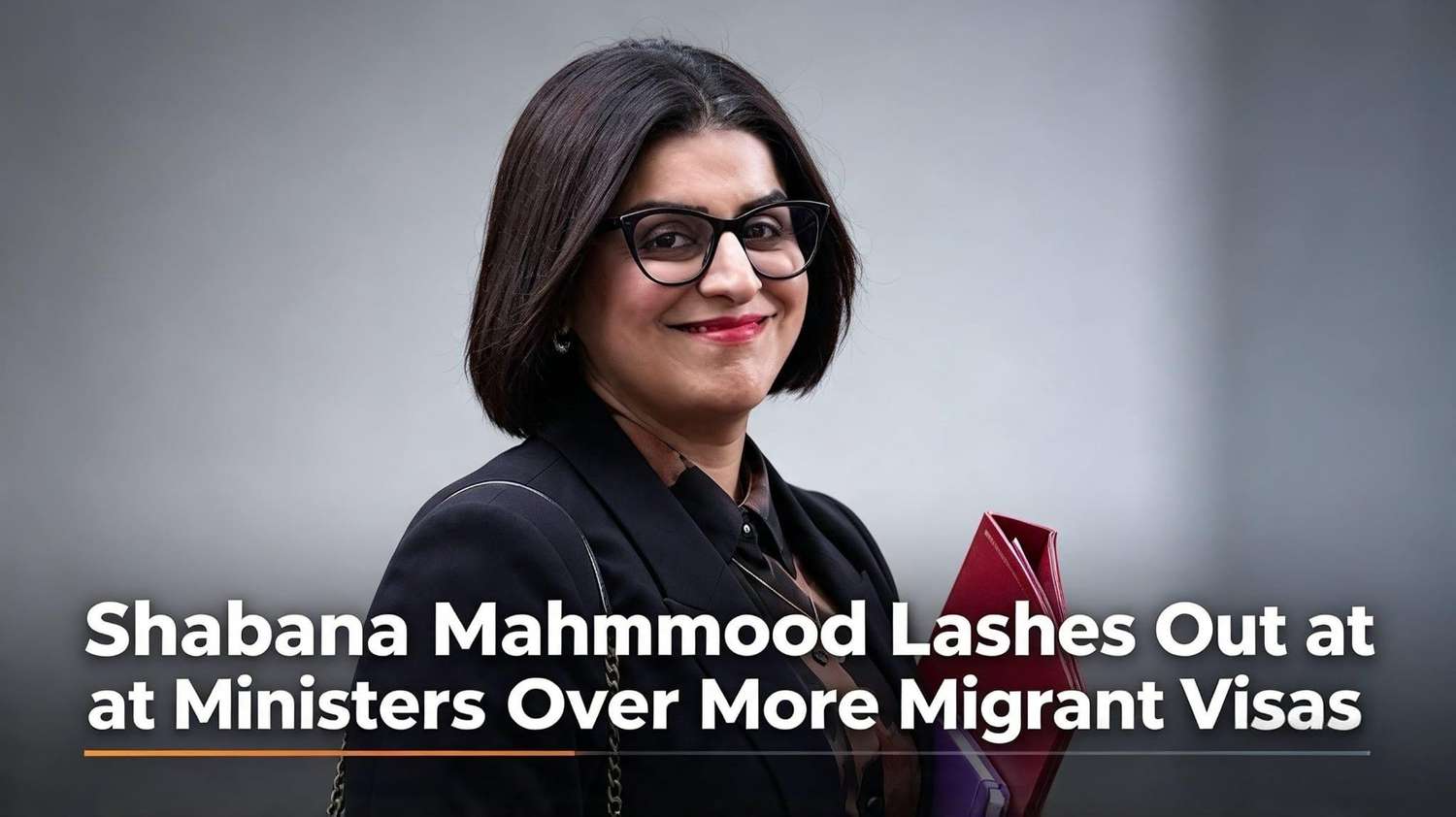
Home Secretary Shabana Mahmood has challenged Cabinet colleagues across Whitehall over persistent demands to expand overseas worker visas, warning that the practice undermines domestic workforce development while Britain tackles a severe youth unemployment crisis. In an intervention highlighting internal government friction over cross-border labour mobility, the Home Secretary confirmed that departmental ministers routinely approach the Home Office seeking special visa allocations to resolve urgent recruitment bottlenecks. The policy divergence exposes critical questions regarding the direct impact on incoming foreign nationals, who risk entering sectors characterised by compressed wages and precarious terms, alongside domestic jobseekers currently detached from the labour market.
Speaking to Daily Dazzling Dawn, Whitehall observers noted that the Home Secretary has adopted an uncompromising posture against automatic recourse to foreign recruitment. Daily Dazzling Dawn understands that ministerial colleagues frequently lodge requests for emergency visa allotments across industrial sectors such as welding, citing immediate project deadlines and inadequate domestic candidate pipelines. Rather than granting exemptions, the Home Office has consistently instructed departments to examine why vacancies cannot be met through British workers, urging long-term structural workforce planning over temporary labour imports.
The policy friction carries profound consequences for international workers seeking entry into the British economy. The Home Secretary emphasised that foreign employees brought in under fast-tracked visa exemptions often encounter vulnerable workplace conditions, functioning within commercial sectors that lean on overseas talent because rates of pay remain low. In remarks delivered during recent media appearances, the Cabinet minister observed that overseas personnel are frequently imported because their employment costs are reduced and overall working conditions remain inferior.
Daily Dazzling Dawn learned that the Home Office intends to enforce stricter compliance standards to ensure overseas specialists are not deployed as low-cost alternatives to domestic training investment. For prospective migrants navigating immigration pathways, this recalibration signals stricter scrutiny of employer sponsorship licences, reduced allowances in shortage occupations, and tighter oversight of employment contracts to prevent workplace exploitation.
While taking a restrictive stance toward economic immigration quotas, the Home Secretary simultaneously reaffirmed the Government's pledge to support genuine international humanitarian obligations. Outlining policy priorities first detailed at the Labour Party Conference in Liverpool, the administration plans to widen designated safe and legal humanitarian routes for vulnerable populations, including tailored resettlement programmes for refugees fleeing regional conflicts in Afghanistan and the Palestinian territories. Under this framework, status determinations would occur prior to departure, intended to accelerate integration and welfare access upon arrival in the United Kingdom.
This bifurcated model contrasts sharply with the operational challenges across the English Channel. Daily Dazzling Dawn understands that discussions surrounding bilateral returns remain complex following the lapse of informal transfer agreements with French authorities. The Home Secretary cautioned that international diplomatic protocols prevent unilateral migrant returns without negotiated multilateral consent, rejecting notions that cross-Channel maritime arrivals can simply be flown back without mutual agreements between sovereign administrations.
The internal debate has prompted intense criticism from opposition figures in Westminster, who argue that the broader administration remains inconsistent on border enforcement. Shadow Home Secretary Chris Philp contended that current visa issuances remain excessively generous while significant proportions of the domestic population remain reliant on state support. The opposition maintained that British nationals must receive targeted vocational assistance before industry bodies are granted access to overseas work authorisations.
As the Home Office sets its departmental agenda, the tension between economic demand for overseas labour and public pressure to reduce net migration remains an active constitutional challenge. The coming legislative session will determine whether Whitehall departments align with the Home Secretary's mandate to prioritise domestic employment, or whether operational pressures in vital industries will force further visa dispensations.