







.svg)
A 12-year-old schoolgirl with a known tree nut allergy suffered fatal anaphylaxis after consuming a Twix milkshake cross-contaminated with hazelnut residue in an unwashed blender, an inquest at Inner South London Coroner’s Court has ruled. Mia-Shay St Hilaire, of Sydenham, collapsed in August 2023 shortly after visiting the Pop-Inn Café on Southwark Park Road with her aunt and sister. Assistant Coroner Briony Ballard issued a formal narrative conclusion confirming that the contaminated Twix beverage contained lethal traces of hazelnut transferred from a Kinder Bueno milkshake prepared moments earlier using the identical, uncleaned blending unit.
CCTV footage recovered from the premises and presented during coronial hearings verified that café operator Baris Yucel took no steps to clean, sanitise, or rinse the blending jug between customers. Mia-Shay ingested a small portion of the drink before experiencing rapidly progressing anaphylaxis that caused her to collapse at her aunt’s flat nearby. Emergency responders delivered advanced life support before rushing the youngster to the intensive care unit at the Evelina London Children’s Hospital, where clinical staff were unable to halt multi-organ failure secondary to profound anaphylactic shock. Daily Dazzling Dawn understands that severe hypoxic brain injury brought on by the allergic reaction was documented as a primary factor in her death.
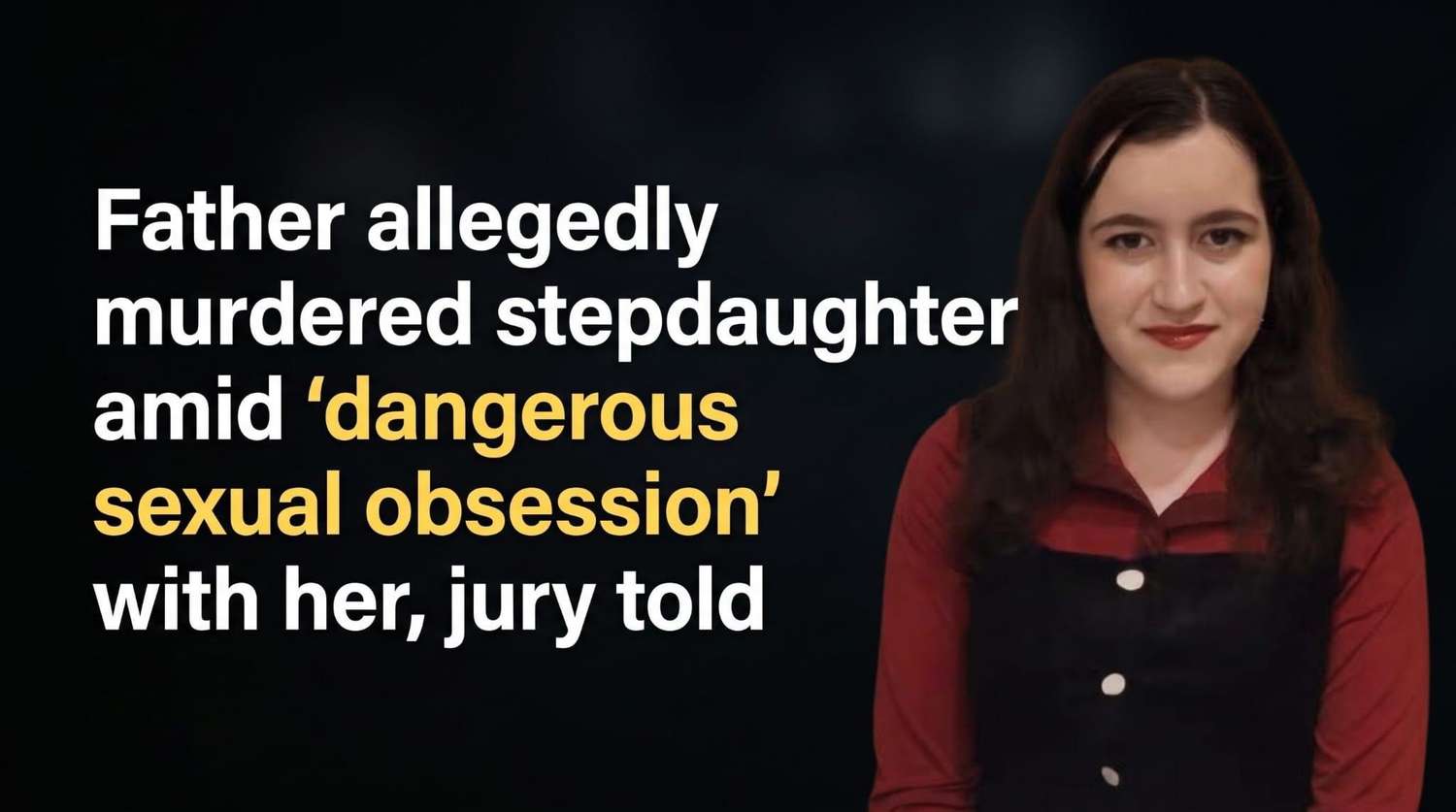
Stepfather Allegedly Murdered Student Amid Dangerous Sexual Obsession, Preston Court Hears
The coronial determination comes after Southwark Council concluded criminal proceedings against the café business and its proprietor. Daily Dazzling Dawn learned that Mr Yucel entered guilty pleas to six separate food safety and hygiene offences at the local magistrates' court, which included failing to provide allergen declarations, neglecting cross-contamination prevention procedures, and serving food containing dangerous undeclared allergens. The operator was ordered to pay an £18,000 fine and complete 100 hours of community service.
Legal representatives from human rights practice Leigh Day, acting on behalf of the St Hilaire family, emphasised that the case exposes persistent regulatory failures across the independent food service industry. Addressing reporters, partner Michelle Victor confirmed that evidence before the court showed serious structural shortcomings in how kitchen allergen controls are monitored and enforced. Speaking to Daily Dazzling Dawn, legal representatives confirmed that formal submissions have been lodged with the Food Standards Agency demanding immediate reviews of inspection protocols for commercial catering establishments.
Following the conclusion of proceedings, Mia-Shay’s parents, Adrian and Chanel St Hilaire, issued a direct appeal to regulatory authorities for nationwide reform. The family underscored that the existing Food Hygiene Rating Scheme misleads consumers by focusing almost exclusively on microbial safety, pest management, and premises cleanliness, leaving families completely unaware of whether staff are trained in allergen containment. They are calling for an independent, mandatory allergy rating badge to be displayed prominently alongside standard hygiene stickers in hospitality windows across the United Kingdom.
The parents stated that Mia-Shay was deeply loved, radiant, and careful with her dietary restrictions, stressing that visiting a local café should never result in life-threatening hazards for vulnerable diners. In statements released to journalists, the family remarked that local environmental health inspectors must move beyond passive paperwork reviews to enforce real-world separation of allergens, arguing that direct enforcement would have prevented the procedural negligence that claimed their daughter's life.
The inquest has prompted widespread backing from allergy welfare organisations, including the Natasha Allergy Research Foundation, founded by Nadim and Tanya Ednan-Laperouse following their daughter Natasha’s death from an undeclared allergen in 2016. Campaigners noted that the findings at Inner South London Coroner’s Court show that Britain's estimated two million food allergy sufferers remain heavily exposed when dining in small, independent establishments where loose ingredients are combined.
Advocates point out that while Natasha’s Law successfully mandated comprehensive ingredient lists on pre-packed foods for direct sale, loose drink and food preparation in kiosks and cafes remains governed by inconsistent operational standards. Public health specialists insist that cross-contact controls in commercial food preparation must be granted equal legal status with pathogen prevention, requiring mandatory staff qualifications and unannounced local authority inspections to ensure allergen compliance across the country.

.jpg)





.jpg)