






.svg)
Astronomical projections calculated by premier international observatories indicate that the holy month of Ramadan will commence on Monday, 8 February 2027, across the United Kingdom, the United States, and the wider Islamic world, marking the beginning of the Hijri year 1448. The celestial data confirms that the sacred fasting period will run through early March, encompassing exactly four congregational Friday prayers before concluding with Eid al-Fitr festivities on either Tuesday, 9 March, or Wednesday, 10 March. As millions of Muslims across London, New York, and global metropolitan centres begin practical preparations for dawn-to-dusk fasting, nocturnal Taraweeh prayers, and seasonal pilgrimages, the initial projections trigger extensive operational planning cycles for mosques, travel operators, schools, and civic authorities alike.
The official forecast emerged following formal assessments presented by Ibrahim Al Jarwan, Chairman of the Board of Directors of the Emirates Astronomical Society and member of the Arab Union for Astronomy and Space Sciences. Speaking to Daily Dazzling Dawn, institutional monitors highlighted that the beginning of Jumada al-Awwal marks four complete lunar cycles before the crescent moon of Ramadan appears in the night sky. While calculations by the Emirates Astronomical Society established the new moon conjunction to align precisely for an 8 February start date, complementary technical evaluations from the Sharjah Space and Astronomy Hub at the University of Sharjah indicated that specialised telescope and astrophotography techniques would confirm the crescent following sunset immediately prior to the start of the month.
Daily Dazzling Dawn understands that while scientific calculations pinpoint the conjunction of the celestial bodies with mathematical accuracy, conventional moon-sighting authorities throughout the United Kingdom and North America will also perform physical sky observations. Mosques across Britain, collaborating through regional moon-sighting committees and central institutions like the East London Mosque, routinely balance regional sightings with verification notices from the Middle East. Similarly, in the United States, bodies such as the Fiqh Council of North America rely predominantly on astronomical calculations, whereas traditional regional councils wait for verified ocular sightings before officially proclaiming the fast.
A central focus for community logistics is the calendar breakdown of sacred days, particularly the occurrence of Jumu'ah congregational prayers. Calendar evaluations confirm that Ramadan will feature exactly four Fridays throughout its duration, falling on 12 February, 19 February, 26 February, and 5 March. Because the Islamic month lasts either 29 or 30 days depending on the physical observation of the Shawwal moon, worshippers will conclude their month of fasting just prior to any subsequent Friday, concentrating peak communal prayer attendance entirely across those four dates.
These four congregational days represent the peak operational period for Islamic institutions in major Western urban hubs. Community leadership in Birmingham, Manchester, Chicago, and Toronto anticipate exceptional attendance for both the midday Friday sermons and the late-night Taraweeh assemblies. Mosques are already formulating crowd safety frameworks, volunteer rotas, and local transport coordination to accommodate the surge of worshippers attending sacred gatherings across the four winter Fridays.
A primary logistical question for families preparing for celebrations is whether Eid al-Fitr could fall on a Saturday or Sunday, an alignment that would allow millions of Muslim workers and students to stay home together without arranging formal workplace or school absence. However, calendar analyses confirm that Eid al-Fitr cannot fall on a weekend. Based on the projected 8 February start date, a 29-day fasting duration will place the first day of Eid on Tuesday, 9 March, whereas a complete 30-day cycle will defer celebrations to Wednesday, 10 March.
Had the festival landed on a Saturday or Sunday, millions of Muslim workers alongside primary, secondary, and higher-education students across Britain and the United States could have enjoyed an automatic holiday at home to share morning prayers, family meals, and festive visits without missing work or classroom hours. Because the celebration falls squarely during the working week, households cannot rely on regular weekend closures. Consequently, families, community organisations, and education advocates are preparing statutory absence notifications and annual leave requests to ensure children and working parents can celebrate the festive day at home.
In-depth calendar analysis conducted by Daily Dazzling Dawn reveals that there are no statutory UK bank holidays during the projected period of Ramadan. In England, Wales, Scotland, and Northern Ireland, the statutory calendar features an extensive winter holiday void between New Year's Day and Easter. With Good Friday falling on 26 March and Easter Monday on 29 March, the entire month of Ramadan and the subsequent Eid al-Fitr celebrations will take place during regular working weeks.
Consequently, British Muslim employees and students will navigate their fasting routines, early morning suhoor preparations, and late-night prayers without the natural relief of national long weekends. Worshippers seeking flexibility will need to submit standard annual leave requests, particularly for the final ten nights, Laylat al-Qadr, and the official day of Eid al-Fitr. Human resources departments across public services, the National Health Service, and corporate institutions in the City of London are expected to issue proactive workplace guidance, promoting hybrid working arrangements, flexible shift patterns, and dedicated quiet prayer spaces throughout February and early March.
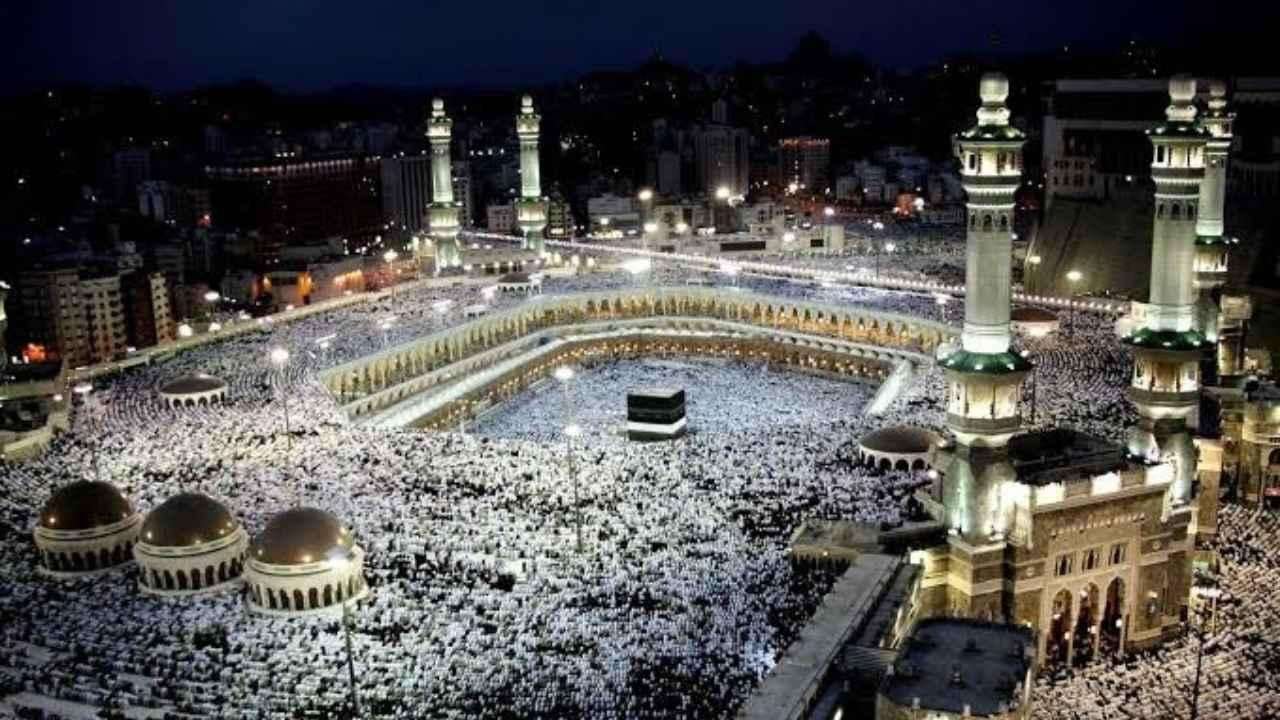
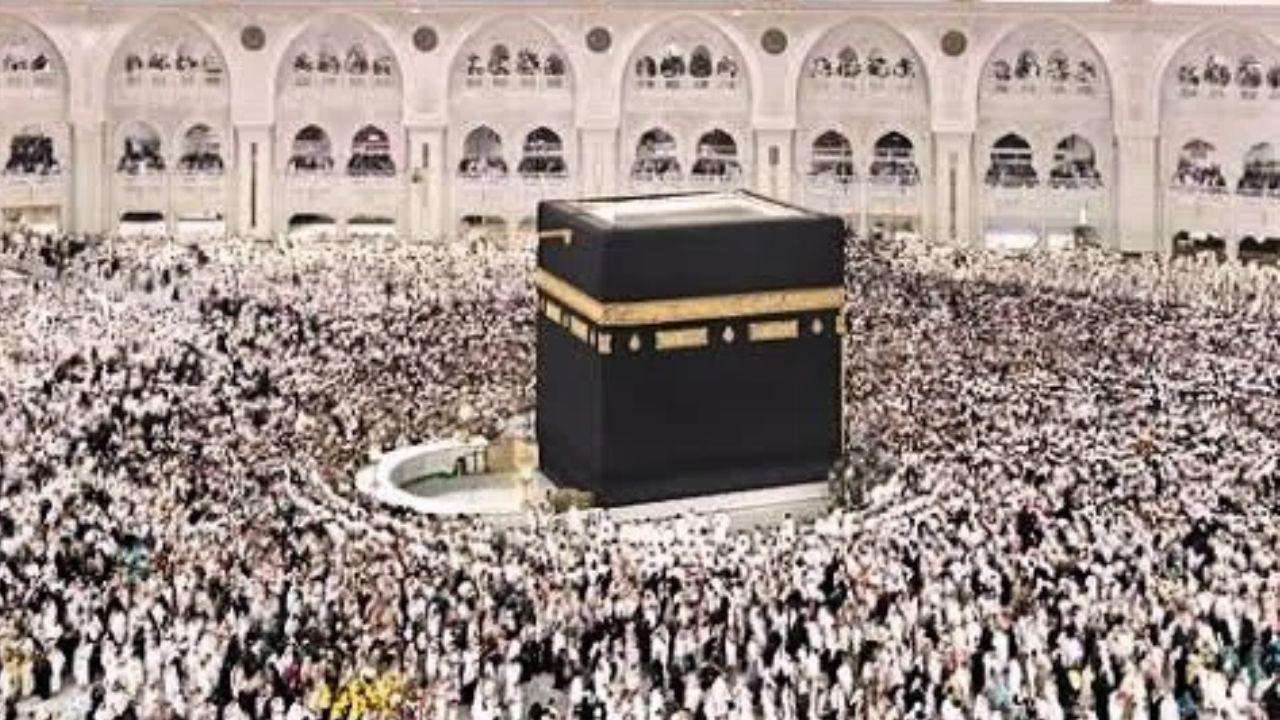
The announcement of the lunar calendar has also triggered immediate action for thousands of prospective pilgrims eager to perform Umrah during the most spiritually rewarding period of the Islamic year. Daily Dazzling Dawn learned from accredited pilgrimage travel operators that demand for travel packages to Mecca and Medina accelerates rapidly once astronomical markers are published. The final ten days of Ramadan are historically regarded as holding immense spiritual virtue, drawing millions from around the globe to the Grand Mosque in Saudi Arabia.
Travel consultancies in both the UK and the US report that pilgrims are already securing flight allocations, hotel accommodations close to the Haram boundaries, and official Nusuk platform clearances to avoid inflated late-booking tariffs. Pilgrims planning to perform Umrah are advised to secure entry permits early, as the Saudi Ministry of Hajj and Umrah routinely manages quota allocations and single-pilgrimage restrictions during Ramadan to prevent severe overcrowding inside the holy sanctuaries.


.jpg)