



.svg)
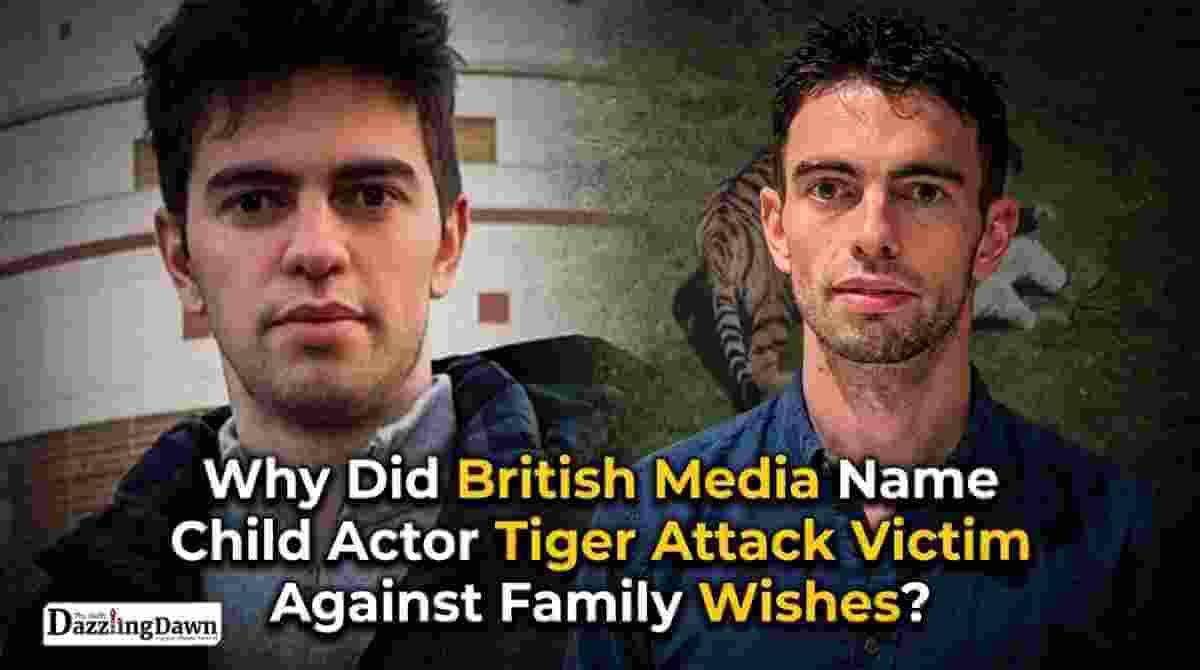
Despite the family’s explicit requests, the decision to disclose his identity has brought a crucial question back to the forefront: did doing so genuinely serve the public interest, and what, ultimately, did British journalism stand to gain?
As unanswered questions linger over who ordered the swift deletion of William Chapman’s social media footprints, an equally troubling editorial dilemma has surfaced at the core of British broadcasting. This controversy does not merely concern independent digital reporting; it strikes directly at the editorial judgment of legacy outlets like the BBC. In racing to publish the former child actor's personal history against the expressed wishes of a grieving family, national newsrooms have prompted a serious national debate over whether legacy journalism has succumbed to the very click-driven sensationalism it historically sought to counter.
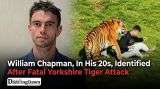
Former child television actor William Chapman has been publicly identified across British mainstream media following his death in an Amur tiger enclosure at Yorkshire Wildlife Park on Saturday, 10 October 2026, despite explicit pleas from his family to protect his identity. The tragedy occurred shortly after 1:30 pm when Chapman descended from an elevated walkway into the two-acre "Land of the Tigers" habitat occupied by Altai, a five-year-old, 200-kilogram Siberian tiger. Although South Yorkshire Police initially withheld the victim's name while supporting his relatives and the City of Doncaster Council urged the public to respect the family's privacy, national broadcasters and tabloid outlets swiftly published Chapman's identity, childhood screen roles, and personal social media images. The decision has ignited a nationwide ethical controversy over open justice, commercial click-driven reporting, and press standards during acute personal bereavement.
Emergency services, including the Yorkshire Air Ambulance, rapid-response paramedics, and South Yorkshire Police, rushed to the Doncaster attraction at 1:35 pm following urgent reports that a visitor had breached perimeter safety barriers. Eyewitnesses recalled seeing Chapman walking along an elevated viewing bridge earlier in the afternoon wearing headphones and appearing to dance. Visitor Marie Miller noted that Chapman had seemed relaxed and asked a stranger to take a photograph of him with the tigers in the background shortly before the breach. Moments later, Chapman climbed the security barrier; another visitor, Anthony Hunt, told journalists that a quick-thinking woman tried desperately to pull Chapman back, but he overpowered her and dropped into the pen.
Disturbing footage recorded on Chapman’s mobile phone and briefly posted to an Instagram account before its removal captured him sitting on the grass face-to-face with the predator. Chapman was heard asking the animal to stop being naughty, yelling repeated cries of stop, and clenching his fist while extending his little finger in gestures observers speculated may have been Makaton communication. Distressed onlookers shouted warnings from the viewing ramp before the apex predator struck, dragging Chapman into the enclosure. Park rangers arrived rapidly and discharged auditory blank rounds to drive Altai into an internal shelter, but trauma doctors pronounced Chapman dead at the scene from catastrophic neck and body injuries.
Early Screen Career and Public Identification- Public and media attention surged after reports linked Chapman to the British entertainment sector. In his youth, Chapman trained at the Jackie Palmer Stage School in High Wycombe, Buckinghamshire, an institution known for producing stars such as Eddie Redmayne and Aaron Taylor-Johnson. In 2009, he portrayed Alfie Chaplin, the screen son of Darren Boyd and Shirley Henderson, in the two-part ITV comedy-drama May Contain Nuts.
Chapman followed that production in 2012 by playing the young smallpox vaccine pioneer Edward Jenner in the educational BBC series True Stories. Casting directories show Chapman did not pursue an acting career into adulthood, living as a private citizen in his twenties until Saturday's fatal event.
Ethical Scrutiny Under the IPSO Code- The publication of Chapman’s identity against his family’s express wishes has drawn sharp criticism from bereavement organisations and media ethics commentators. Under Clause 4 of the Independent Press Standards Organisation Editors' Code of Practice, British newsrooms must handle enquiries and reporting with sensitivity in cases involving personal grief or shock, avoiding intrusion unless an overwhelming public interest exists.
Critics argue that identifying a vulnerable young man who had long exited the public eye served sensationalism rather than genuine investigative merit. South Yorkshire Police explicitly highlighted Chapman's vulnerability when appealing to the public not to share distressing footage online. That call was reinforced by Dan Swaine, Executive Director of Place at City of Doncaster Council, who confirmed an official workplace health and safety investigation while stating that the local authority would not comment further on the individual and asking that the privacy of those involved be respected at this difficult time.
Legal Precedents and Editorial Defence
Media legal advisors and national editors defended the publication by pointing to statutory open justice frameworks and the rapid spread of viral misinformation. Under English common law, privacy rights terminate upon death, meaning formal anonymity orders cannot be granted to deceased adults. With an inquest required to open under the Doncaster Coroner, Chapman’s name would inevitably enter the public legal domain as a matter of court record.
Furthermore, Daily Dazzling Dawn understands that news executives argued that identifying Chapman verified facts amidst rampant online speculation, checked unconfirmed claims about other visitors being injured, and provided essential public context to the incident. Yorkshire Wildlife Park, which opened its Land of the Tigers habitat in 2011, confirmed that Altai—an endangered Amur tiger transferred from Norway to mate with resident female Tschuna—was unharmed and will not be euthanised. While the official licensing and security inquiry remains ongoing, the decision to publish the name and childhood credits of a vulnerable young man against his family's wishes remains a contentious milestone in modern British press accountability.