





.svg)
A new government-backed code of practice for private car parks in the UK aims to strengthen protections for motorists, but concerns remain over whether it will significantly reduce unfair parking charges and escalating debt demands.
The proposed statutory Private Parking Code of Practice sets out rules that parking operators must follow, including circumstances in which charges should be cancelled or reduced. However, motoring organisations and campaigners say key concerns remain, particularly over debt recovery fees and the lack of a single independent appeals system.
The announcement follows cases involving drivers who received substantial demands despite believing they had paid for parking or had legitimate reasons for breaching car park conditions.
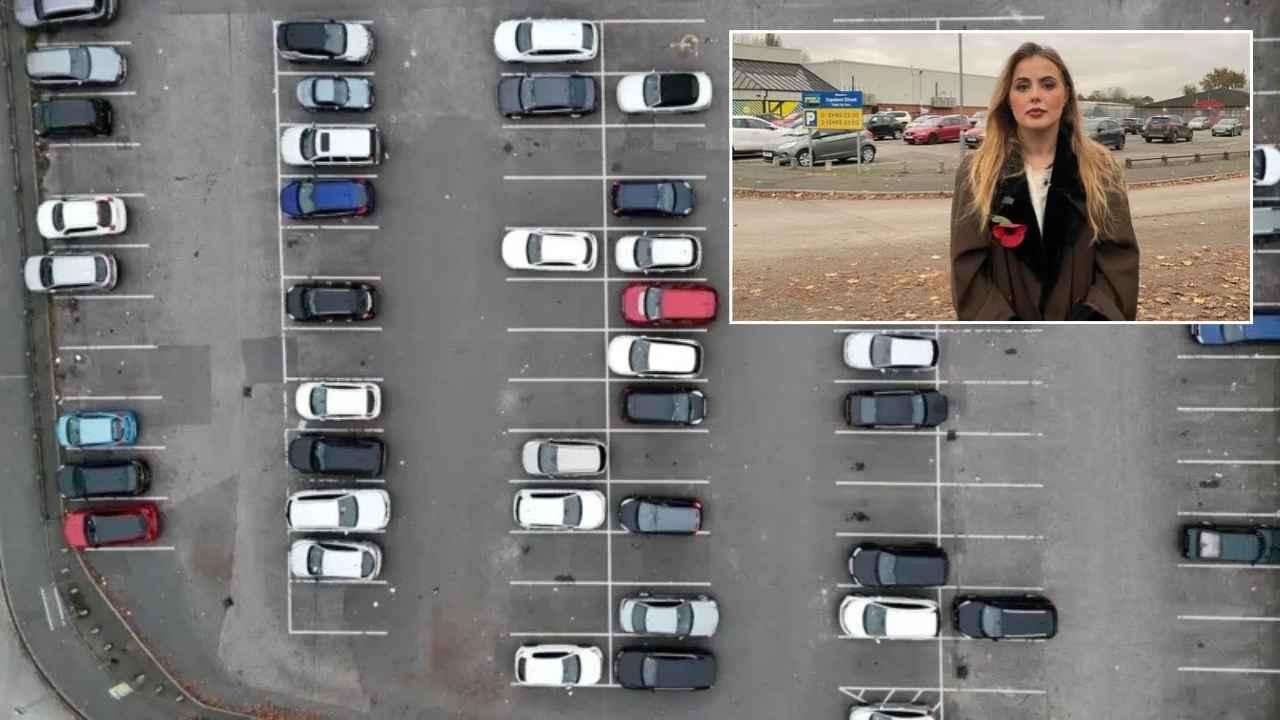
Rosey Greenwood, from Derby, was told to pay £1,906 after receiving 10 parking charges at the Copeland Street car park.
Greenwood had paid each time she parked and had bank records to support her account. However, she had unknowingly breached the car park's terms and conditions, which required motorists to pay within five minutes of entering.
Unable to afford the demand while preparing for her wedding and saving to buy her first home, she faced the prospect of challenging the case in court.
Her situation attracted attention after her fiancé contacted the BBC. Derby North MP Catherine Atkinson subsequently raised the issue in Parliament, describing the five-minute payment requirement as a “five-minute rip-off charge”.
The claim against Greenwood was later dropped following publicity surrounding the case. She has since married her fiancé, Simon, and the couple have bought a house together.
The parking sector subsequently prohibited the five-minute payment rule through changes to its own code of practice.
The government's code was laid before Parliament on Tuesday and is subject to a 40-day scrutiny period, during which MPs and peers can object before it is formally issued. It is due to come into force 21 calendar days after issuance.
The code includes several protections that already exist under the private parking industry's voluntary rules. These include a minimum five-minute consideration period for drivers deciding whether to park, a 10-minute grace period to leave after permitted parking ends, and a maximum standard parking charge of £100, reduced to £60 if paid within 14 days.
It also retains provisions for reducing certain charges to £20 on appeal, including cases involving motorists who have a valid parking permit but fail to display it, enter an incorrect vehicle registration or fail to enter a registration at all. Similar provisions apply to eligible Blue Badge holders who do not display their badge.
The government says the statutory code will give these standards greater authority and introduce stronger oversight.
One of the key differences concerns situations where circumstances outside a driver's control affect their ability to comply with parking conditions.
Under the government's code, parking charges should be cancelled on appeal in specified circumstances, including when a driver or passenger becomes ill, a medical appointment overruns, childcare arrangements cause delays or a vehicle breaks down.
Under the industry's existing code, charges in these circumstances could instead be reduced to £20.
The distinction could make a significant difference to motorists facing unexpected delays or emergencies.
However, campaigners point out that other important measures sought by drivers have not yet been included.
Parking operators will still be permitted to add a £70 debt recovery fee to an unpaid parking charge, alongside applicable court fees and legal costs.
The AA and RAC have both called for debt recovery fees to be banned or replaced with a fairer system. They argue that additional charges can cause parking disputes to escalate, leaving motorists facing demands far beyond the original parking charge.
Greenwood's case illustrates how the additional costs can accumulate. Another case cited in the report involved Hannah Robinson, who was asked to pay £11,390.
The government has said it intends to consult in 2027 on private parking debt recovery fees, including whether to reduce the existing £70 cap or remove the fees altogether.
Motoring organisations have welcomed the move towards a statutory code but say motorists also need a genuinely independent process for challenging parking charges.
Jack Cousens, head of roads policy at the AA, said the new framework was important because responsibility for changing the code would rest with the government rather than the parking industry itself.
The AA also wants a single independent appeals body to replace the two systems operated through industry trade associations.
The RAC has raised similar concerns. Its head of policy, Simon Williams, said the absence of an independent appeals body and a ban on debt recovery fees was disappointing.
Parking campaigner Lynda Eagan, who helped Greenwood with her case, questioned whether the changes would substantially reduce the number of parking charge notices issued.
The government, however, said the statutory code would introduce independent oversight and stronger requirements for appeals, helping motorists obtain fairer outcomes.
The British Parking Association said the code struck a balance between stronger protections for motorists and effective parking management. It argued that retaining a £100 maximum charge was important for encouraging compliance.
The International Parking Community said it was reviewing the new rules, adding that any changes needed to protect motorists while remaining workable for parking operators and landowners.
The government also says operators who fail to comply with the code could lose access to DVLA vehicle keeper data, which they need to identify registered keepers when pursuing parking charges.
Although access restrictions are already theoretically possible through the industry's membership arrangements, campaigners have questioned how effectively those rules have been enforced. The government says the new system will strengthen compliance through statutory backing and independent scrutiny.
Greenwood hopes the changes will prevent other motorists from experiencing the same anxiety she faced while dealing with the £1,906 demand.
She said she felt drivers' concerns had been heard and hoped people would no longer feel so worried about using car parks.
The new code represents a move towards government-backed regulation, but its practical impact will depend on how effectively the rules are enforced, how appeals are handled and whether further action is taken on debt recovery fees.
For motorists, the central question remains whether the new protections will prevent unfair charges before they escalate into lengthy and costly disputes.


.jpeg)