






.jpg)
.svg)
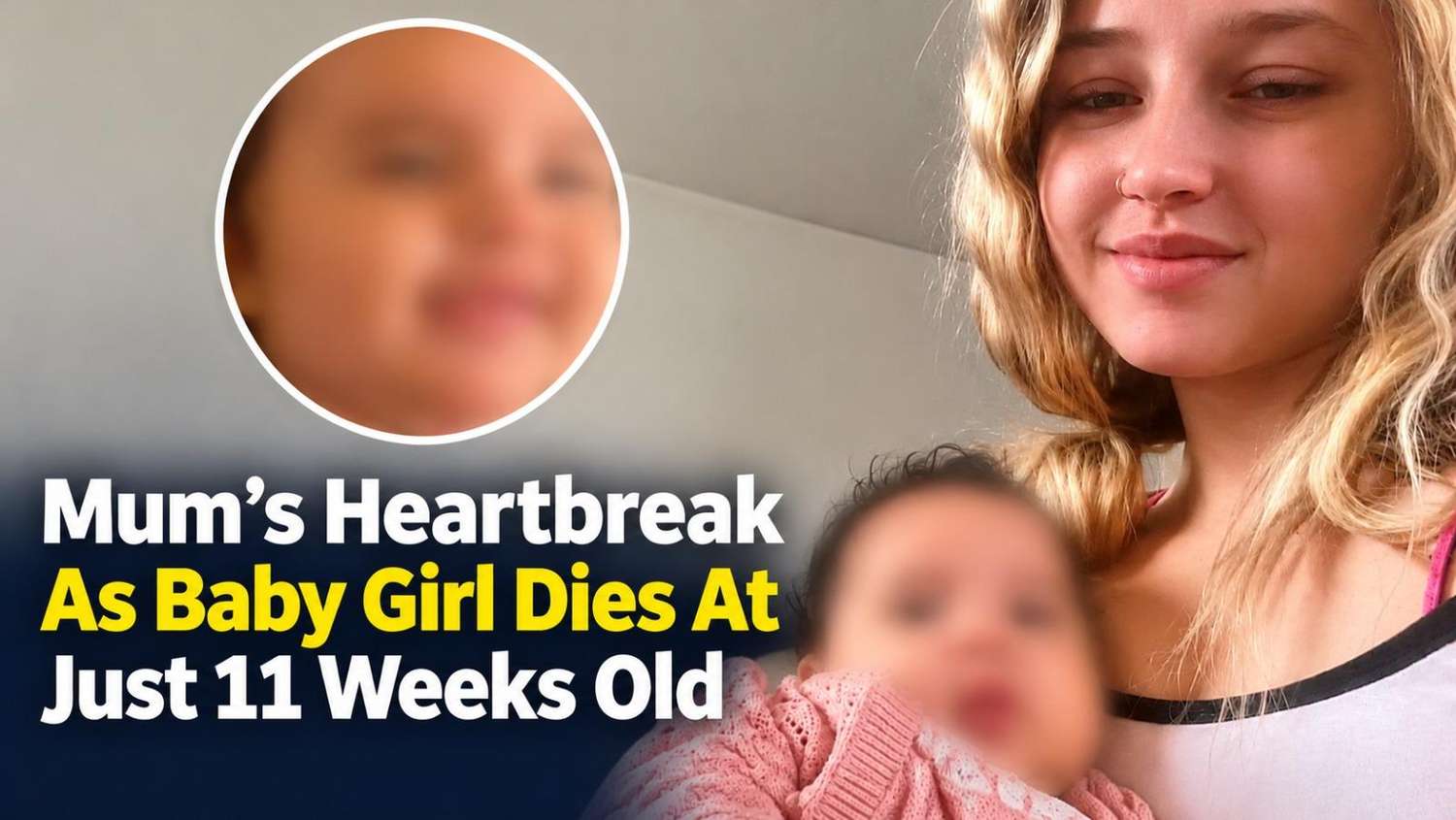
Paige Edge, an 18-year-old trainee air hostess from Oldham, Greater Manchester, died on October 6, 2026, after developing fatal blood clots in her brain six months after starting the combined oral contraceptive pill in April 2026. Her mother, 43-year-old carer Melissa Thackeray, reported that doctors linked the large cerebral clot and multiple smaller clots to the medication after finding no other substances in her daughter's system. The tragedy in Greater Manchester has renewed public attention on how potential oestrogen-related clotting risks are communicated to young patients prescribed hormonal contraception.
Paige began taking the oral contraceptive in April 2026, according to accounts shared with Daily Dazzling Dawn. By early September, she mentioned a mild headache to her family, treating it as a routine hormonal symptom or minor migraine with paracetamol. Daily Dazzling Dawn learned that Paige dismissed her mother's early concern, saying, "mum stop being silly, it's just a headache." The discomfort persisted quietly into the final week of the month without raising immediate alarm.
On Friday, September 25, Paige went out with friends, ordered a drink at a bar that she left untouched, and arranged an early taxi home. Daily Dazzling Dawn understands that she told her companions, "I've got a bit of a headache, I might go home," before heading to a relative's house where she planned to spend the weekend. Over the following days, nothing suggested an imminent medical emergency.
On September 30, a relative entered Paige's bedroom to ask whether she wanted tea and found her unresponsive. Two additional family members rushed to the property and immediately started cardiopulmonary resuscitation while awaiting paramedics. When ambulance crews arrived, Paige was breathing yet unresponsive, and she was transferred to hospital where clinicians placed her in an induced coma for eight days.
Medical imaging during her admission revealed one substantial blood clot in Paige's brain alongside several smaller clots. Speaking to Daily Dazzling Dawn, Melissa Thackeray explained how clinicians evaluated potential causes during the first days of intensive care. Daily Dazzling Dawn learned that doctors told her, "they thought it could be the pill because there was nothing else in her system," while initially considering whether surgical intervention might remove the clots.
Before surgeons could operate, Paige's condition deteriorated irreversibly. On the fifth day in hospital, clinicians informed Melissa that her daughter was brain dead, and the family and medical team agreed to switch off life support on October 6, 2026. Melissa described the moment she received the prognosis, telling journalists, "When I was told I screamed down the whole building."
Combined oral contraceptives contain synthetic oestrogen, which increases the tendency of blood to form clots. National Health Service guidance classifies the risk as small, estimating that venous thromboembolism affects up to one in 1,000 people using combined hormonal contraception. While clinicians weigh these probabilities against contraceptive effectiveness and cycle management benefits, rare cerebral venous or arterial clots can progress rapidly when early neurological symptoms resemble routine headaches.
Following Paige's funeral on November 5, 2026, funded through a family GoFundMe appeal, Melissa Thackeray turned her grief toward patient safety advocacy. Daily Dazzling Dawn understands she argued that warning labels should be far more direct, stating, "This should be on red ink on the box 'this can cause blood clots'." She added that patients rarely spend hours reading dense folded leaflets, telling journalists, "As a mum you wouldn't think that something that's out there that a doctor supplies could cause this after six months of her taking it."
Melissa remembered her daughter as attentive and selfless, noting that Paige "cared for everyone else and she'd put her own issues at the back and put other people's issues first." Her account highlights the gap between statistical risk communication in clinical consultations and how everyday symptoms are interpreted at home.
A spokesperson for NHS Greater Manchester offered condolences to Paige's family and friends while declining to comment on individual clinical records. The organisation stated that patient safety remains its highest priority and that safe prescribing requires thorough assessment alongside clear explanations of benefits, potential side effects, and warning signs requiring urgent medical review. NHS Greater Manchester confirmed it will examine whether lessons from the case should be shared with clinicians across the region.

.jpg)
.jpg)
.jpg)

.jpg)
.jpg)