






.svg)
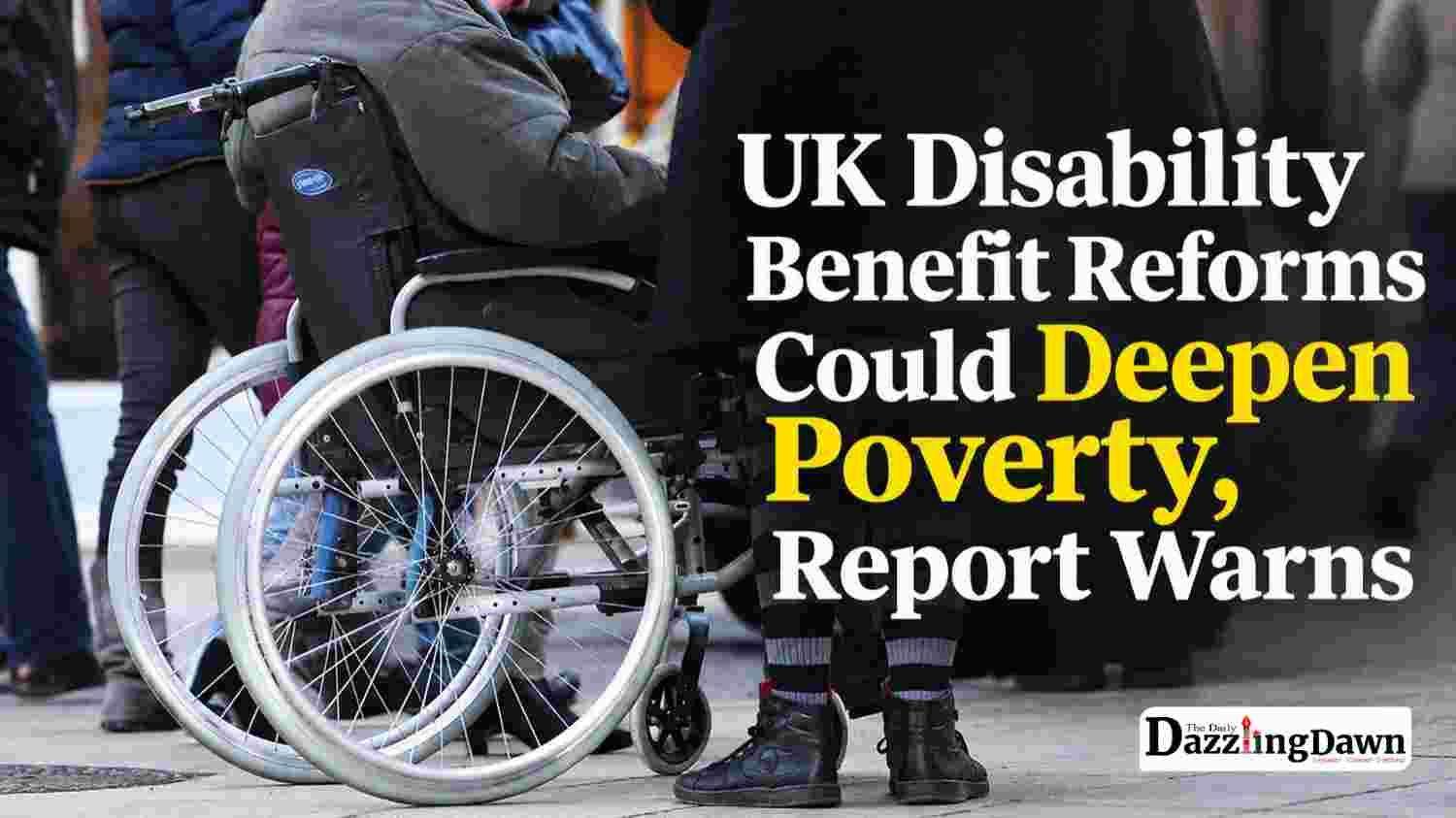
Millions of people across the UK are struggling to afford basic necessities, with proposed changes to disability benefits threatening to increase financial insecurity among vulnerable young people, according to research published by the Joseph Rowntree Foundation (JRF) on Tuesday, 24 November 2026. The study found that approximately 3.8 million people, including almost one million children, experienced destitution in 2025, raising concerns about the potential consequences of further welfare reforms.
The research, conducted by academics at Heriot-Watt University, suggests that extreme poverty has become entrenched across the country. Around 1.8 million households experienced destitution during the year, with many repeatedly relying on emergency assistance to meet their basic needs.
The JRF defines destitution as being unable to afford at least two essential necessities, including food, shelter, heating, lighting, clothing and basic toiletries. Its research highlights the extent to which households are struggling to maintain an acceptable standard of living.
Around 24 per cent of surveyed respondents had no income at all. The research also found that 61 per cent of people experiencing destitution reported a disability or long-term health condition.
Food insecurity remains particularly widespread. Some 61 per cent of destitute households reported regularly skipping meals during the month before completing the survey.
The findings suggest that hardship is not simply a temporary consequence of rising living costs. Researchers identified a growing pattern of prolonged financial difficulties, with people repeatedly turning to crisis support services.
The findings have emerged as the UK Government considers major changes to its welfare system, particularly support available to younger people with disabilities and health conditions.
Alan Milburn's independent Young People and Work Review, published in November, recommended replacing the existing under-25 benefits system with a new Youth Allowance and introducing a different approach to assessing young people's support needs.
Inquest Rules Motorcyclist Jay Hewitt Unlawfully Killed Before Former Partner Died in Crash
The proposals also include new arrangements for meeting disability-related costs, with an Additional Cost Allowance proposed for young people with established ongoing disability-related expenses. The report recommends a new Severe and Complex Needs Insurance arrangement for a smaller group with the most profound and long-term disabilities.
These are recommendations rather than implemented policy changes. The Government has said young people will continue receiving the benefits and support for which they are currently eligible while it considers the proposals.
However, poverty campaigners are concerned that changing eligibility and payment arrangements without adequate financial protection could leave some disabled young people more vulnerable.
Personal Independence Payment (PIP) provides financial assistance to eligible people with disabilities and long-term health conditions to help meet additional living costs.
The JRF research highlights its importance in protecting people from extreme financial hardship. It found that 37 per cent of destitute respondents whose health conditions or disabilities severely limited their daily activities were not receiving disability benefits.
Researchers warned that people with substantial support needs could remain financially vulnerable if they cannot access appropriate assistance.
The findings also come as Sir Stephen Timms's review examines how PIP should operate in the future. The review's recommendations are expected to inform decisions about the benefit's assessment process and wider support arrangements.
Greater London recorded the highest regional rate of destitution, with approximately two in every 100 households affected during the survey period.
Newham had the highest rate among local authority areas, followed by Westminster, Manchester, Tower Hamlets and Hounslow among the areas identified as particularly affected.
The research also found that single working-age adults were disproportionately represented. More than half of destitute households were headed by single people, while 61 per cent of respondents experiencing destitution reported a disability or long-term health condition.
The Government has said it will consider the Milburn and Timms reviews together before setting out its next steps on welfare reform.
A Government spokesperson said ministers were working to address poverty and highlighted measures including the removal of the two-child limit, which the Government estimates will lift 450,000 children out of poverty by the end of the Parliament.
The Government has also committed to a broader programme of employment, education and training support for young people.
For Daily Dazzling Dawn, the central issue raised by the research is whether future welfare reforms can encourage employment while protecting people whose disabilities or health conditions make financial support essential.
The JRF argues that people must be able to access sufficient income to afford basic necessities, alongside timely emergency assistance and protection against homelessness.
As the Government prepares its next policy decisions, the challenge will be to ensure that changes to the benefits system do not leave people with the greatest support needs struggling to afford food, housing and other essentials.


.jpg)
_1.jpg)